Maritime software start-up Awake.AI has won the tender to provide vessel schedule estimates for Finnish ports through Fintraffic Vessel Services, helping to improve the competitiveness of Finnish maritime logistics.
The new Port Call Time Stamp and Estimation Service for port operators and authorities will boost the efficiency of port operators’ routine activities, support the development of automation, help to anticipate exceptional circumstances, and reduce environmental emissions.
Olli Soininen, Programme Manager at Fintraffic’s vessel traffic services said, “The importance of time data for shipping has been taking into account in both national transport system plans and the government’s decision-in-principle on the digitalisation of logistics.”
“The port call schedule service will now enable us to implement this on a practical level.”
Awake.AI was able to offer a ready-made service that successfully met both Fintraffic’s needs and the requirements set in the invitation to tender.
Therefore, the service can be made quickly available to port operators as development work does not need to start from scratch.
Kimmo Kummala, Project Manager and Vice President of Engineering at Awake.AI said, “In practice, the new port call schedule service will provide the necessary APIs from which port operators can obtain time data for use in their own systems.”
The port call schedule working group Traficom, which was launched in Spring 2019 and consists of about 30 operators in the marine logistics sector, helped to launch the new service.
Katariina Kalatie, Chief Advisor of Ship Technology and Marine Environment at Traficom said, “There have long been attempts to tackle the challenges posed by data management in maritime logistics.”
“Before the working group was established, a preliminary study was carried out to collate existing research and reports and to identify any overarching needs. Time data clearly took centre stage.”
The preliminary study revealed a largely general consensus in terms of needs and the target state: better predictability and information sharing is required to boost operational efficiency.
Considering the challenge of how and what data could be shared openly, time data was found to be something that would benefit all port operators equally.
Kalatie added. “The members of the port call schedule working group make practical use of this information in their daily work.”
“This gave us a good idea of what was really important and relevant at a grassroots level. The goal was to find practical solutions rather than high-flying strategy slogans.”
The new service will be based on data analysis through machine learning (ML), improving upon the current method of the majority of vessels have had to provide estimated time of arrival via VHF frequencies which often results in poor and fragmented data.
The forecasts will be influenced by many factors that will be analysed using global AIS messages.
In addition to automatic classifications, such as where a ship is coming from and where it is going, a ship’s estimated time of arrival will be influenced by many variable factors, such as it speed and route, the weather and the ice situation.
Jussi Poikonen, Awake.AI’s Technical Project Manager said, “The AIS messages sent by vessels hold a lot of potential, but for some reason, there benefits have so far been ignored.”
Through ML, the service will remember what has happened in the past and how various factors have affected a ship’s arrival time.
AI will therefore learn the normal deviations for a particular locality and adjust its calculations accordingly, helping to reduce data fragmentation and generate more accurate schedules.
The new port call schedule will be introduced later this year, in autumn, and now that the agreement has been signed Awake.AI will begin an approximately month-long delivery process which the service will be technically customised to meet Fintraffic’s needs.
A test phase will follow after which Fintraffic can mobilise the service for use at ports.
The service will be available through the Fintraffic Digitraffic API or the Fintraffic Port Activity app and will first be introduced at Finnish ports but can in practice be used anywhere.
Sami Kaksonen, Vice President of Sales and Marketing at Awake.AI said, “Fintraffic has handled this project superbly, and shipping will now take a great leap forward.”
“We hope that the service will be actively further developed to meet the needs of various operators.”
Kalatie said, “Better predictability is of concrete benefit to many people’s everyday work, and I hope that up-to-date and reliable schedule forecasts will be available to everyone who needs them within the next couple of years.”
“Perhaps we can also find similar areas for development that can be improved with the aid of data.”
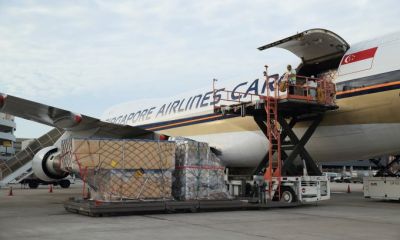
Singapore Changi Airport experienced a significant boost in air cargo volumes for the second quarter of 2024, handling 485,000 tonnes of airfreight from April to June. This represents a 16% increase compared to the same period last year. The growth is attributed to robust shipment flows between Singapore and major markets including the US and China. Changi Airport Group highlighted that the increase was seen across all cargo categories—exports, imports, and transhipments. The airport’s top five air cargo markets for the period were Australia, China, Hong Kong, India, and the United States. In the year-to-date, Changi Airport has processed a total of 960,000 tonnes of airfreight. The first quarter of 2024 also saw strong performance, with 475,000 tonnes handled, driven by high transhipment activity, particularly with China. Key sectors contributing to the cargo throughput include pharmaceuticals, perishables, e-commerce, and advanced materials like semiconductors. Notable airlines operating cargo flights at Changi include Spice Express, Tasman Cargo Airlines, Atlas Air, DHL Express, and Singapore Airlines, which collaborate on cargo operations. As of July 1, Changi Airport boasts 94 airlines operating over 6,900 weekly scheduled flights, linking Singapore to 158 cities across 50 countries and territories globally. This extensive network supports Changi’s role as a major international cargo hub. The airport’s continued growth in air cargo volumes underscores its importance as a critical logistics and transportation hub in the global supply chain.
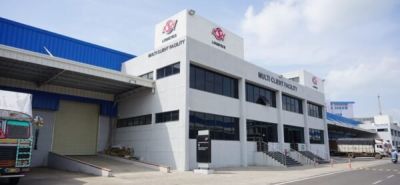
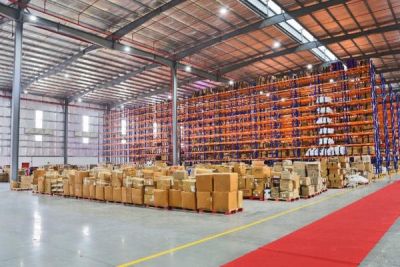
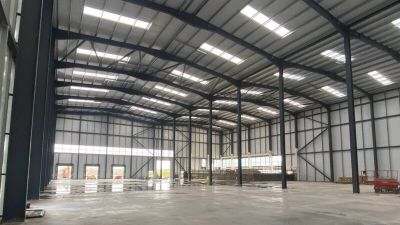
AP Moller – Maersk is strengthening its operations in Bangladesh, where it has been serving the country and its exporters connect to the global market for almost three decades. Bangladesh has been one of the most important sourcing markets for the garments and apparel industry worldwide. The garment manufacturers exporting to global markets have significantly contributed towards building the country’s economy. Despite the impressive growth of garments exports from Bangladesh, the number of warehouses in Chattogram have not increased since 2012, with the sole exception of ISATL that became operational in 2018. Optimising utilisation of available capacity assisted to an extent, however it did not scale enough to meet the trade’s requirements. The logistics ecosystem and the Chittagong Port get stretched, particularly during the peak seasons. In 2021, a fallout of this structural challenge was felt by all the stakeholders involved in EXIM trade when the Container Freight Stations (CFSs) got clogged with cargo resulting in delayed clearance, stuffing and consequently dispatch of containers to the port. Delay in offloading cargo also led to longer truck waiting time, and delay in dispatch of containers to the port, consequently resulting in lack of overall productivity. These challenges have serious consequences on the overall economy of the country given the fact that the Chittagong Port handles in excess of 90 per cent of the total containerised trade to and from Bangladesh. Recognising these challenges, Maersk Bangladesh has partnered with Ispahani Summit Alliance Terminal Limited (ISATL) to build a 200,000 sq ft custom bonded warehouse. ISATL are pioneers in constructing and operating warehouses and CFS and operate four CFS within Chattogram and the River Terminal at Dhaka. Under the scope of this partnership, ISATL will construct a brand new custom bonded warehouse within the existing premises of the facility located at Pathortoli in Chattogram. The new warehouse will double the existing capacity at ISATL and add around 8 per cent additional space to the existing ecosystem at Chattogram. The construction of the new CFS has already commenced and is expected to be completed in a phased manner by the end of 2022. Bangladesh’s exporters and their overseas buyers will be able to start using the facility from July 2022, once the first phase of construction is completed. “Maersk’s commitment to connect and simplify our customers’ supply chains means that we look at long term solutions for problems such as the longstanding congestion within the ecosystem. We tackled the situation in 2021 by deploying an additional vessel for evacuating export loaded containers,” said Angshuman Mustafi, Managing Director, Maersk Bangladesh. “The solutions provided immediate relief to the ecosystem, but there was a need for a comprehensive solution to optimise ocean shipping, port handling and inland logistics that would benefit trade in the long term. By partnering with ISALT, we are establishing a facility that has the potential to partially decongest the system from the landside and streamline the flow of cargo in and out of Bangladesh.” Apart from adding capacity, the facility will offer several other benefits to Bangladesh’s exports. Amongst others, the new facility is being built by benchmarking international best practices when it comes to safety and other compliance guidelines. It will be modern multi-storeyed facility in Chattogram which will have storage at G+2 levels, thus making optimal use of available space to maximise the capacity. There will be an option to offer pallets for all operations, thereby improving the overall operational efficiency. Maersk will also offer customers Garment on Hanger facility, sorting, product audit, labelling, bar code and RFID scanning amongst others. “We are proud to partner with Maersk on this exciting long term project where ISATL’s extensive local experience combined with Maersk’s international best practices will allow us to create a truly world-class facility that will help raise the standards for the entire industry,” said Yasser Rizvi, Managing Director, ISATL.
Indian importers and exporters are grappling with significant cargo delays at Mundra Port, the country’s leading container trade hub. Local trade sources have voiced serious concerns about the worsening congestion at Mundra’s container terminals in recent weeks. "The terminals at Mundra now seem to be hugely congested, and the pendency has increased to levels affecting the normal movement of boxes between CFSs and terminals," stated the Container Freight Station Association Mundra in a complaint. The association added, "All the efforts put in by CFSs are not witnessing any improvement, but are rather finding that the situation is deteriorating further." A recent change in the process of issuing port entry permits for freight vehicles by the port authority has been identified as a major source of frustration. According to freight station owners, truckers are experiencing longer waits to move containers due to difficulties in securing entry permits promptly. "Vehicles are stranded on the road for hours together because of this. A corrective measure needs to be discussed with our members and worked out so as to ensure that movement continues without any hassles," explained the CFS association. The congestion has also frustrated container rail operators, as ICD (inland container depot) volumes constitute a significant portion of Mundra’s trade. The Association of Container Train Operators (ACTO) noted in a trade advisory, "There has been increased congestion at Mundra Port due to delays in effectively evacuating import containers in FIFO [first-in, first-out] sequence on time, despite trains being provided for clearance by container train operators [CTOs]." ACTO indicated that Indian Railways has restricted double-stack loading to expedite train evacuation from the port, resulting in additional ground rent charges for traders. Mundra, Adani Ports’ flagship entity, managed 7.4 million TEUs in the fiscal year 2023-24, marking a 15% increase over Nhava Sheva Port. With volumes rapidly expanding, the Adani Group is considering further investment to enhance capacity. "We continue to invest heavily in the business to drive growth, particularly in the logistics segment," stated Adani in a recent announcement.
Lufthansa Cargo has recently expanded its offerings, providing customers with new belly capacities on several attractive routes. Since the start of June, passengers and cargo alike can benefit from direct connections to various destinations, enhancing global connectivity and trade opportunities. Direct flights to North America, including routes from Frankfurt to Minneapolis (MSP) and Raleigh-Durham (RDU) with Lufthansa Airlines, are now available for booking. Additionally, from the Lufthansa Cargo hub in Munich, new connections to Seattle (SEA) three times a week, and daily capacity to Toronto (YYZ) and Vancouver (YVR) are being offered. Austrian Airlines has also introduced a new route, connecting Vienna with Los Angeles (LAX). Discover Airlines has expanded its services from Frankfurt to Halifax (YHZ) and Anchorage (ANC), further widening the reach of cargo transportation. Moreover, Lufthansa Cargo has introduced freighter capacity to Dubai World Central (DWC), providing customers with additional options for handling larger cargo items or special freight. This new service complements the existing belly service from Dubai International Airport (DXB) and offers enhanced flexibility and efficiency in cargo transportation. With a commitment to enhancing global connectivity and trade facilitation, Lufthansa Cargo continues to innovate and expand its service offerings. These new routes and increased capacities underscore Lufthansa Cargo's dedication to meeting the evolving needs of its customers in a rapidly changing global market.
26 airlines and forwarders have been working with CHAMP Cargosystems to review the company’s new air cargo insights service, MarketAnalytics. Rather than using monthly accounting updates or files, MarketAnalytics uses systems integration to get daily updates from across the air cargo supply chain. With that transformational approach, it offers more detailed information and potentially greater coverage than traditional services and can help clients to respond to market developments more quickly. CHAMP’s MarketAnalytics service provides market data and dashboards across key air cargo metrics to spot changes and opportunities. The ability to look at information by commodity and type of handling, in particular, is proving to be very popular. Insights are delivered as daily files, which carriers and forwarders can embed in their own data warehouses. The service also has Power BI dashboards which help managers to drill into data and to get alerts for their areas of interest. “MarketAnalytics is as transformational for air cargo intelligence as streaming was to music distribution,” says Christopher Shawdon, Head of Business Development at CHAMP Cargosystems. “Our new service offers much greater information and insights updated daily, and at much lower costs than traditional services.” Information shared into the service from trialists already creates market data on over 250 routes, each with over 10 tonnes per year and based on data from at least 3 participating carriers, none of whom has more than 60% share by weight.


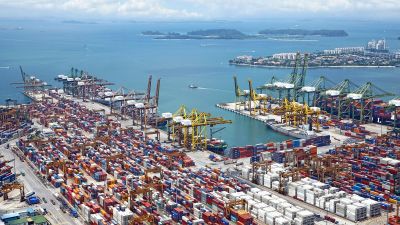
India's major ports experienced a very rare 3.2% year-on-year fall in cargo through October 2024, as official data showed. The total cargo handled at these 12 major ports fell to 68.22 million metric tonnes. A drastic fall in both crude oil and coal imports dragged down the figures. The overall cargo decreased mainly due to a decrease of 5.5% for overseas cargo, which consisted of 52.9 mmt. However, the domestic coastal shipping increased by 5.3% to 15.9 mmt. Crude oil, which comprised nearly 20% of the total cargo traffic, decreased by 8.8%, lowering to 12.9 mmt. The quantity of petroleum products also decreased, leading to the general decline. Its traffic, the most significant revenue earner, was down 13% versus last year, and declined even sharply because of the sharp fall in volumes of non-thermal coal. Yet, with the festival season, October usually witnesses higher cargo volume and the containerised volumes at the government-controlled ports were essentially flat with just a minus 0.2%. Contrasting that, India's overall merchandise exports grew by 17% as its pace marked a 28-month high led primarily by inventory build-up before Christmas and New Year time. On a positive note, private ports witnessed 5.7% growth in cargo volume to 64.2 mmt. Container volume at the private ports has seen an exponential growth of 21.5%, which actually speaks about festival season boosters. Adani Ports and Special Economic Zone, the largest private port operator in the country, reported an 8% Y-o-Y growth in total cargo handled, at 257.7 mmt, pulled up by 19% growth in container volumes and 9% liquid and gas cargo. As of the fiscal year 2024-25, traffic at major ports has increased by 3.9%, with the total touching 481 mmt. However, some individual ports saw drastic falls, as does the Kolkata Port that slipped down 25% in handling cargo whereas Visakhapatnam Port fell by 15.5% for October.
The Syama Prasad Mookerjee Port, Kolkata (SMPK), and the Haldia Dock Complex have experienced a notable downturn in cargo handling during the first half of the fiscal year 2024, reporting an 8.7% decline in combined cargo volumes. In stark contrast, 12 major ports across India collectively achieved a 5% increase in cargo handling during the same period. Key to this decline is the substantial drop in coking coal volumes, which constitutes a major portion of the cargo for these ports. In the April-September 2024 period, coking coal handling plummeted by 33% compared to the previous fiscal year. SMPK handled 28.54 million tonnes (MT) of cargo in this timeframe, a decrease from 31.26 MT last year. The Kolkata Dock System (KDS) was hit particularly hard, with a significant 15.18% drop in tonnage, falling from 8.38 MT to 7.11 MT. Meanwhile, the Haldia Dock Complex recorded a 6.34% decline, with volumes dropping from 22.88 MT to 21.42 MT. Notably, apart from SMPK, only Mormugao port in Goa recorded a cargo handling decrease of 5.67%. Conversely, the 12 major ports together processed 413.74 MT of cargo in the first half of FY24, up from 393.9 MT during the same period last year. The primary factor contributing to SMPK's cargo decline is the diversion of coking coal shipments to nearby ports such as Paradip and the Adani-owned Dhamra, which offer deeper drafts. For instance, coking coal handling at SMPK dropped to 6.86 MT in H1FY24 from 10.22 MT in H1FY23, while Paradip's volumes increased by 1 MT to 8.4 MT. The ongoing spike in seaborne bulk cargo rates, driven by geopolitical tensions in the Red Sea, has further exacerbated the situation. Importers have increasingly avoided anchorages like Sandheads, leading to decreased traffic. The limited draft at Haldia restricts larger vessels, significantly increasing logistics costs and limiting economies of scale for importers. SMPK officials remain hopeful that coking coal volumes will rebound with the onset of fair weather in October, potentially stabilizing operations. Source: The Statesman
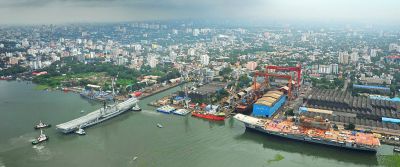
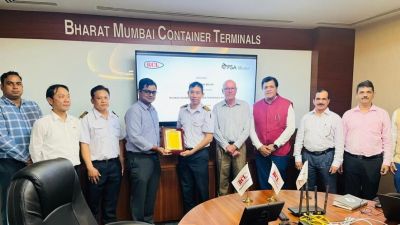
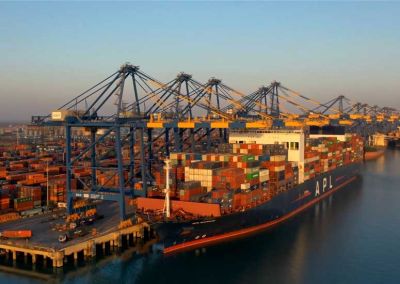
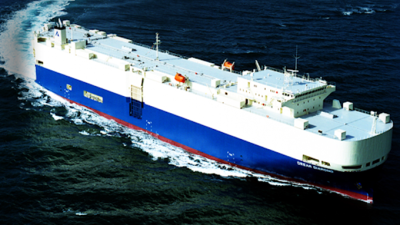
MacGregor, a division of Cargotec, has received a significant order to supply cargo access equipment for 12 new Pure Car and Truck Carriers (PCTCs) with an option for eight additional vessels. The vessels are set to be constructed at China Merchants Heavy Industry (Jiangsu) Co., Ltd. (CMHI) for CIDO Shipping. This order is included in Cargotec's third-quarter 2024 order intake, with deliveries scheduled to commence in the second quarter of 2026 and conclude by the fourth quarter of 2029. The contract encompasses the design and essential components for quarter ramps, side ramps, internal ramps, covers, and liftable car decks, along with installation assistance. MacGregor's successful collaboration with CMHI, marked by dependable deliveries and high-quality solutions, was pivotal in securing this contract. CIDO Shipping's longstanding partnership with MacGregor, which includes equipping numerous vessels with MacGregor technology, also influenced the decision. Magnus Sjöberg, Senior Vice President of the Equipment Solutions Division at MacGregor, expressed pride in continuing the partnership with CMHI and CIDO Shipping. He emphasised that the order reflects MacGregor's commitment to delivering innovative and reliable solutions that enhance operational efficiency and vessel performance over the long term. This order highlights the company's strong relationships with its customers and its reputation for reliability and quality in the maritime industry. This order not only signifies growth for MacGregor but also underscores the ongoing demand for advanced cargo handling solutions in the evolving shipping sector.