trackNOW, a leading Gujarat-based women-led fleet management and advanced telematic tracking solution company has recently raised an extended seed fund of an undisclosed amount. The funding round was led by Yohan Poonawalla, Chairman of the Poonawalla Engineering Group, and Michelle Poonawalla, Managing Director of the Poonawalla Engineering Companies. The company had previously secured seed funding in FY24, led by GI Ventures and BluSmart co-founder Anmol Jaggi, which successfully led the company to accelerate its business growth plans. The latest investment from the Poonawalla Group will enable trackNOW to expand its R&D and boost operational efficiency, which will further solidify its position in the Indian logistics market. Founded in 2016 by Pooja Khemka and Suyash Khemka, trackNOW has emerged as a leader in delivering cutting-edge solutions to streamline fleet management and tracking processes. Known for its focus on minimising turnaround times and reducing operational costs across various industries, trackNOW has garnered immense recognition for its intelligent, technology-driven innovations. “Investing in promising startups like trackNOW is not just about financial returns,” said Yohan Poonawalla, Chairman of Poonawalla Engineering Group. “It’s about mentoring and empowering young, visionary entrepreneurs by providing them with the resources and support needed to succeed. We believe in the transformative power of innovation and are committed to fostering an environment where groundbreaking ideas can flourish.” Michelle Poonawalla, Managing Director of the Poonawalla Engineering Companies, added, “We are thrilled to partner with trackNOW and support their growth journey. This investment reflects our commitment to empowering Indian entrepreneurs. The partnership has the potential to unlock significant value for both trackNOW and the broader Indian economy by driving job creation, enhancing operational efficiencies across sectors, and strengthening India's position in the global logistics market.” Commenting on the investment, Pooja S. Khemka, Co-founder, trackNOW said, “The investment from the Poonawalla Group is a significant endorsement of our vision and a testament to the hard work and dedication of our team. We are honored to receive the support of such a respected group. This partnership will not only provide us with the capital required to scale operations but also invaluable mentorship and industry expertise.”
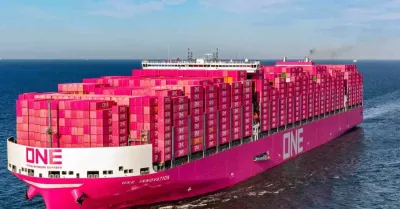
Ocean Network Express (ONE) has unveiled a new logistics gateway for customers in Kolkata and Haldia, leveraging rail services via Balmer Lawrie CFS for enhanced connectivity to mainline vessels at Nhava Sheva Port. This initiative ensures seamless export and import cargo handling, significantly improving transit times and reliability for shipments to global destinations, including the USA, Europe, the Mediterranean, and Africa. Key features of the service include: Fixed-day train departures: Export cargo departs Balmer Lawrie CFS every Thursday, with Wednesday cut-off for bookings. Direct mainline connectivity: Export shipments move seamlessly to mainline vessels at Nhava Sheva without transshipment delays. Efficient imports: Cargo discharged at Nhava Sheva is promptly transported by rail to Kolkata. Transit time optimisation: Avoids waiting at traditional transshipment hubs such as Singapore, Port Kelang, and Colombo, ensuring faster and more reliable deliveries. This service aims to streamline supply chain operations, offering a robust alternative to feeder and transshipment services, while reinforcing Kolkata and Nhava Sheva as pivotal points in global trade networks.

HORICAL, formerly known as APOLLO CFS, has unveiled its new identity to signify a seamless blend of horizontal and vertical integration in logistics. With a mission to redefine operational excellence, HORICAL offers end-to-end supply chain solutions spanning transportation, warehousing, and allied services, aiming to set a new benchmark in the industry. Strategically located at Kattupalli near Chennai’s major ports, HORICAL operates the region's sole container freight station (CFS). Spread over 10 acres, its facility features a paved container yard handling over 4,500 TEUs monthly, with plans to expand capacity to 7,000 TEUs. Complemented by a 60,000 sq. ft. covered warehouse for export cargo and fully integrated IT systems, the infrastructure ensures smooth cargo movement and adherence to international standards. Since being acquired by Chennai-based promoters in March 2022, HORICAL has strengthened its fleet of trailers and partnerships with customs brokers and global shipping lines to streamline transport and reduce transit risks. Leveraging cutting-edge technology and a dedicated team, the company integrates AI-driven logistics solutions, reinforcing its position amidst growing supply chain demands. Guided by directors Suresh Kumar, Purushothaman, and Managing Director Saravanan, HORICAL emphasises innovation, efficiency, and customer satisfaction. The company’s EMR facility and additional land near Napalayam provide strategic cost advantages, ensuring reliable operations 24/7. The rebranding was supported by Chennai-based Birth Marque, a leading branding and event management firm, further underscoring HORICAL’s growth-driven vision. As global logistics trends favor digitisation and resilience, HORICAL is well-positioned to meet rising industry demands, fostering seamless connectivity and elevating logistics standards worldwide.

FedEx, the world’s largest express transportation company, has launched its advanced monitoring and intervention solution, FedEx Surround®, in India. Leveraging AI-powered predictive analytics, near-real-time shipment visibility, and advanced handling capabilities, the solution aims to enhance supply chain management for businesses across various sectors, including healthcare, aerospace, and high-tech products. FedEx Surround® offers three service levels—Select, Preferred, and Premium—designed to ensure shipment integrity and timely delivery for sensitive cargo. Key benefits include: Flexibility and Control: Near real-time global visibility and predictive analytics supported by AI, sensors, and SenseAware ID. Enhanced Operational Value: Special handling codes for prioritised shipping, cold chain support, and on-network/off-network interventions. 24/7 Monitoring Support: Dedicated expert teams for proactive interventions, customised reporting, and on-demand updates. Nitin Navneet Tatiwala, Vice President of Marketing and Air Network, MEISA, FedEx, stated, “FedEx Surround® empowers businesses to navigate disruptions, optimise decisions, and build resilient supply chains using AI, machine learning, and advanced data.” Aligned with FedEx’s digital innovation strategy, the launch complements its suite of tools like FedEx Delivery Manager, FedEx® International Connect Plus, and FedEx Import Tool, streamlining logistics and promoting global trade efficiency.

Shadowfax, a leading player in India’s logistics sector, has acquired CriticaLog, a specialised firm delivering critical logistics solutions, for an undisclosed amount. This strategic acquisition aims to bolster Shadowfax’s capabilities by offering comprehensive and customisable delivery services for high-value items such as electronics, automobile spares, jewelry, and pharmaceuticals. With over 400 clients, including multinational corporations, CriticaLog's expertise will integrate into Shadowfax’s expansive network that covers 2,500 cities and 18,000 pin codes across India. This merger is poised to enhance Shadowfax’s sector-wide reach by blending bespoke logistics solutions with its existing offerings. Shadowfax’s services already include quality check-based reverse logistics, same-day delivery under its "Prime" initiative, quick commerce 10-minute delivery, and hand-to-hand doorstep exchanges. The company recorded significant growth last fiscal year, with operational revenue rising to ₹1,884.8 crore from ₹1,415 crore in FY23, as per data intelligence platform TheKredible. By uniting its expansive infrastructure with CriticaLog’s high-value delivery expertise, Shadowfax aims to set new benchmarks in the logistics industry while meeting the nuanced demands of both e-commerce and D2C clients.
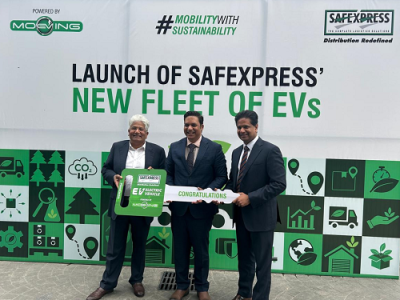
Safexpress, India's leading supply chain and logistics service provider, has announced a strategic alliance with MoEVing, one of the leading players in electric logistics, to revolutionize the country's logistics sector with sustainable and eco-friendly transportation solutions. The partnership, marked by a strategic investment from Safexpress into MoEVing, underlines their shared commitment to environmental sustainability and aims to deploy a 100% electric vehicle (EV) fleet for last-mile deliveries by 2030. MoEVing, which serves over 25 cities across 375,000 square kilometers, has already increased its fleet of 3,000 EVs since 2021, showing quick strides in the green logistics front. "We are excited to partner with Safexpress, which understands the key role sustainable logistics plays," says Vikash Mishra, MoEVing's CEO, underscoring how the carbon footprint needs to come down in logistics. Rubal Jain, Managing Director of Safexpress, said: "This collaboration brings together our extensive logistics network with MoEVing's expertise in electric mobility, further reinforcing our commitment to green solutions. Safexpress offers logistics and other support solutions on over 12,571 GPS-enabled vehicles running 2,653 routes with deliveries over 134 million packages in an annual scale. This also positions it with an enhanced edge towards a pollution-free sustainable and carbon footprint by including emission-free logistics solutions with MoEVing's vision and in India.

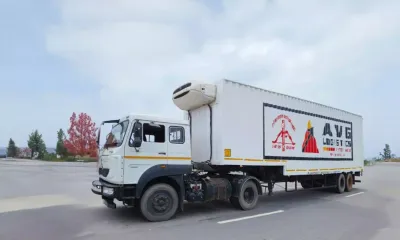
AVG Logistics has announced its decision to acquire a significant stake in Kaizen Logistics, a company known for its expertise in dry cargo and bulk liquid transport, multimodal logistics, and warehousing. Founded in 2020 and led by Sumit Garg, Kaizen Logistics offers comprehensive services, including global logistics, 3PL solutions, port handling, and on-site logistics management, primarily for industries such as metals, FMCG, chemicals, and supply chain solutions for steel and chemical manufacturing plants. With a reported revenue of ₹46 crore for FY 2023/24, Kaizen serves prominent clients like Vedanta, Aditya Birla, RIL, Hindustan Zinc, and Gujarat Alkalis, among others. The acquisition, expected to be completed by Q4 of FY 2024-25, is set to create operational synergies between both companies. This move will leverage AVG’s road and rail transportation, cold chain, and warehousing expertise, alongside Kaizen's strong presence in industrial sectors, offering enhanced logistics capabilities and an expanded customer base. AVG Logistics, which reported ₹491 crore in revenue for FY24, will now have the opportunity to provide more integrated and robust logistics solutions across diverse industries, including FMCG, beverages, metals, and industrial chemicals, strengthening its position in the competitive logistics market.
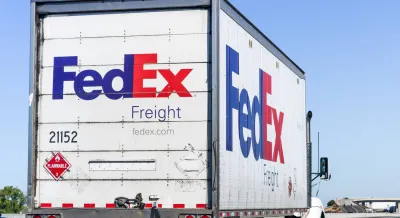
FedEx Corp. recently disclosed that its board of directors has authorised FedEx Freight to undertake a far-reaching review of FedEx Freight's contribution to its business and its plan to go ahead to conduct a complete separation from FedEx. This will eventually form a new publicly traded separate company from FedEx's primary operations, with the separation slated for within the next 18 months in a tax efficient manner for FedEx shareholders. This will further optimise the growth strategies of both organisations by allowing each to concentrate on its distinctive markets- global parcel and less-than-truckload sectors. This separation will allow the companies to have more specific operational performance and better strategies in allocating capital, both of which will help both companies more effectively respond to changing conditions in their markets. FedEx and FedEx Freight will be separate entities; however, the two companies will continue to tap key commercial, operational, and technology collaborations to ensure that customers enjoy the same quality of service and coverage they have enjoyed so far. FedEx Corp. President and CEO Raj Subramaniam said the move to separate FedEx Freight is at a prime time, as the dynamics of the LTL market are changing. "This is the right time to pursue a separation," Subramaniam said. "This announcement reflects the strength of our team and our commitment to delivering greater value for our customers, team members, and stockholders." R. Brad Martin, vice chairman of the FedEx board, said that this company has a strong legacy and that the separation will positively influence future growth. "FedEx has built an unmatched global platform over the past 50 years. After careful evaluation, we believe that a separation of FedEx Freight will enable us to create even more value and growth opportunities," Martin said. The separation represents a huge transformation for FedEx as the company seeks to unlock value in the Freight business while positioning its parent company for continued innovation and market leadership across the portfolio.
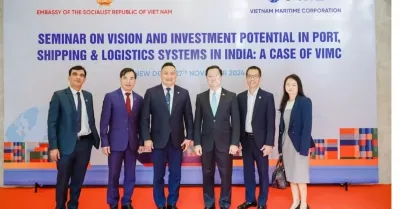
A workshop on “Vision and Investment Potential in the Port System, Maritime Transport, and Logistics in India” was hosted in collaboration with Vietnam National Shipping Lines (VIMC) and the Vietnamese Embassy in India. The event highlighted opportunities for VIMC to expand its market share in India while fostering stronger economic ties between the two nations. With India’s foreign trade turnover at $776 billion in 2023 and projected to reach $2,000 billion by 2030, the logistics sector presents significant growth potential. VIMC sees this as a chance to create efficient supply chains, connecting Vietnam directly to India’s 1.4 billion consumers. Le Quang Trung, VIMC’s Deputy General Director, emphasised the organisation's vision to build a comprehensive logistics ecosystem by strengthening maritime routes and investing in port infrastructure with Indian partners. VIMC aims to enhance trade between the countries by developing new shipping routes and establishing “Vietnam House” logistics facilities in India to offer integrated storage, delivery, and freight transport services. The workshop also revisited VIMC’s direct container lines connecting Cua Lo, Kolkata, and Hai Phong in 2021-2022, which reduced transit times and stabilised supply chains. With a target of $20 billion in bilateral trade, the collaboration marks a step toward achieving long-term maritime and logistics synergies.
Tiger Logistics (India) Limited has renewed contracts with three major Public Sector Undertakings: Bharat Heavy Electricals Limited (BHEL), Bharat Earth Movers Limited (BEML), and Bank Note Paper Mill India Limited (BNPLIPL). In the renewed partnerships, Tiger Logistics continues to entrust it with critical customs clearing and forwarding services for air and ocean freight, including imports and exports. This development marks the PSUs reliance on Tiger Logistics for managing sensitive and important logistics operations. The company continues to focus on government and PSU projects as core growth areas, which have lately been underlined by such an agreement for its warehousing services with BHEL, besides major deals coming from Airports Authority of India (AAI) and Hindustan Aeronautics Limited (HAL). The company will further target high-growth sectors like renewable energy, aerospace, and defence for their growth. Harpreet Singh Malhotra, CMD, Tiger Logistics said, "The renewed collaborations are really thanks. Being empanelled by such repute institutions like BHEL, BEML, and BNPLIPL speaks much about the repute of Tiger as an international name in logistics. The association reiterates leadership in the sector, along with commitment to innovative solutions for critical operations that could only be delivered with absolute reliability." According to Malhotra, the company's successes are turning points in its history, reinforcing its position as a reliable partner for big public sector projects. Tiger Logistics is committed to further growth in strategic industries and the formation of long-term partnerships with government institutions by tackling complex logistics challenges and providing value to stakeholders.

Macrotech Developers Limited, operating under the Lodha Industrial and Logistics Park (LILP) brand, has acquired a 100% equity stake in Janus Logistics and Industrial Parks Private Limited (JLIPPL) for ₹47.94 crore. The acquisition reflects the company's strategic focus on industrial and logistics infrastructure to strengthen annuity income. JLIPPL was incorporated on December 20, 2022. It is engaged in the development and construction of warehousing and logistics assets. Since incorporation, the entity has not reported any turnover and has not started active business operations. As part of the transaction that was completed on November 29, 2024, JLIPPL has become a wholly owned subsidiary of Macrotech Developers. The deal was executed through cash consideration and did not require any regulatory approvals. Macrotech has been ramping up its investments in the industrial and logistics space, led by the increasing demand for quality infrastructure supporting e-commerce and supply chain industries. The company has already signed agreements to acquire stakes in other logistics and warehousing assets for ₹307 crore from Bain Capital. The deal reinforces Macrotech's commitment to diversifying its portfolio beyond residential real estate, positioning itself as a key player in India's rapidly evolving industrial and logistics sector.
Adani Ports and SEZ's Gangavaram port in Andhra Pradesh has achieved a record single day handing of 4,392 metric tonnes of timber logs for the vessel MV Mangusta. This had come close to a record 4,206 metric tonnes a day before, surpassing the port's previous single day record of 2,900 metric tonnes by a whopping 52%. According to the port, its success can be attributed to strategic investments made in infrastructures and among them upgraded cargo handling systems as well as improved railway facilities. It has greatly enhanced operational efficiency toward enabling a high volume cargo turnaround speed. Adani Gangavaram Port management set out the commitment of the port to provide quality services to customers. With a focus on deep-water, modern infrastructure, the port has much to do in continually raising the operational bar in the next year. "The success we have seen our customers experience by leveraging our efficient operations and the improved evacuation system demonstrates once again our efforts at promoting trade as well as delivering economic value to importers in India," said the company.

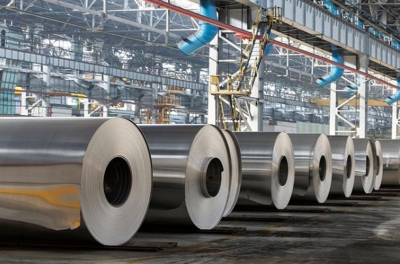
AVA Global Logistics Pvt Ltd has signed a contract with Manaksia Coated Metals & Industries Ltd to ship 750 containers of steel coils. The order, valued at Rs 10 crore, was issued under a new contract. The goods are scheduled to be shipped in the following quarter, which ends in December 2024, thus contributing to the growing footprint of AVA Global in international trade, especially strategic markets in Europe and the Mediterranean. The upcoming shipment further strengthens AVA Global's position in handling high volume shipments, crediting its role as a key enabler for Indian manufacturers looking to expand their global reach. Boasting experience and a commitment to delivering excellence, AVA Global takes pride in working in seamless coordination to ensure timely delivery while offering the best of logistics solutions in conformance with the highest industry standards. Commenting on the new contract, Darshan Ghodawat, Managing Director of AVA Global Logistics, said, "We are elated to have been awarded this large shipment order which vindicates our investment towards enabling India's manufacturing story across the globe. The needs of the logistics business are often diverse, and this contract with Manaksia consolidates our leadership as a logistics provider." We have met our objectives of enabling clients to access and succeed in global markets with confidence in offering the assurance of efficiency, quality, and on-time delivery. The two decades of experience in becoming a global network, AVA Global ensured that it stands as a dependable and resourceful logistics partner. Through the implementation of advanced technology, the company team of committed logistics professionals have ensured standard service delivery. Air and ocean freight, warehousing, customs clearance, chartering, and ground transportation are included in the rich portfolio of logistics services. Only going to add further glory to AVA Global, the latest shipment order for steel coils from Manaksia Coated Metals & Industries Ltd is said to further strengthen trade ties between India and overseas markets, especially within the metals industry.
Scan Global Logistics (SGL), a leading provider of transport and logistics solutions, has opened its first office in Ireland, marking a significant expansion in its European operations. This new location strengthens SGL’s capabilities in a vital trade region, positioning the company to better serve both local and international customers with comprehensive logistics solutions. The expansion into Ireland is part of SGL's broader growth strategy in Europe. Ireland, with its strategic position as a gateway between North America and Europe, is an important logistics hub for transatlantic trade. Its proximity to major trade lanes enhances SGL’s ability to facilitate seamless connections across air and ocean transport, reinforcing its global network. Lars Syberg, CEO of EMEA at SGL, emphasised the importance of this expansion: "Our move into Ireland reflects our focus on enhancing our presence in key markets. By establishing a strong foothold here, we can provide more tailored and efficient logistics solutions to meet our customers' evolving needs." Neil Murray, Managing Director of SGL UK & Ireland, added, "Ireland’s location is pivotal for supporting our global growth goals. With this new office, we can enhance our agility in addressing local and international logistics challenges." The Ireland office will be led by Scott Darcy, the newly appointed Country Director, under the leadership of Neil Murray. The company plans to further expand its team in Ireland as part of its long-term strategy for sustainable growth in the region. This move follows SGL's earlier expansions in 2024, which included acquiring Foppiani Shipping & Logistics in Italy and entering the Saudi Arabian market, underscoring the company’s commitment to building a stronger, more versatile global network.
DSV achieved a 25% year-over-year revenue increase for the third quarter of 2024, reaching DKK 44.1 billion. This growth was driven by higher volumes across air and sea freight and rising sea freight rates. Notably, DSV did not experience the typical summer dip in volumes, as per an official statement. Profit for Q3 2024 rose slightly to DKK 2.85 billion, compared to DKK 2.8 billion in the same period last year. "The third quarter of 2024 has been a landmark for our company with the agreement to acquire Schenker, creating a global leader in transport and logistics," said Jens H. Lund, Group CEO of DSV. He added that the company successfully raised €5 billion in equity from long-term investors, positioning DSV for future growth. The Schenker acquisition is expected to significantly bolster DSV's global network and service offerings. "We look forward to welcoming our colleagues from Schenker and building a world-class transport and logistics company," Lund continued. DSV’s Q3 2024 financial performance showed continued earnings growth, with quarterly gross profit and EBIT before special items increasing year-over-year for the first time since Q3 2022. The growth was fuelled by volume increases across all divisions, particularly air and sea freight. For the first nine months of 2024, DSV's revenue reached DKK 123.6 billion, marking a 9% increase from the same period last year. However, adjusted earnings for the same period declined by 13% to DKK 8.3 billion, down from DKK 9.6 billion in 2023. Despite a challenging market landscape impacted by macroeconomic uncertainties and geopolitical tensions in the Middle East and Red Sea regions, DSV delivered positive earnings growth. The company also reported improved free cash flow and narrowed its full-year EBIT guidance for 2024 to DKK 16-17 billion, up from its previous estimate of DKK 15.5-17 billion. The Air & Sea division continued to perform well, with revenue rising 30% in Q3 2024 to DKK 28.4 billion. EBIT before special items reached DKK 3.3 billion. DSV’s air freight volumes grew by 8% in Q3 2024, primarily driven by increased demand from APAC, particularly in the technology sector. Additionally, the narrowing price gap between sea and air freight resulted in higher conversions from sea to air shipments. Sea freight volumes also grew by 8% in Q3 2024, slightly outperforming the broader market, with strong export volumes out of APAC contributing to this growth. The Road division reported a revenue increase to DKK 10 billion, while EBIT before special items slightly decreased to DKK 514 million. Despite challenging market conditions, including low demand and pressure on freight rates, the division gained market share, especially on European groupage shipments. The Solutions division saw revenue reach DKK 6.6 billion, with EBIT before special items at DKK 636 million. This growth was driven by a year-over-year increase in order lines, although partially offset by lower warehouse utilisation and higher expansion-related costs. The acquisition of Schenker, expected to be finalised by Q2 2025, will further enhance DSV’s global network and service offerings. Schenker, with over 86,600 employees across 70 countries and a revenue of €19.1 billion in 2023, is a strong strategic fit for DSV. The deal will strengthen DSV's presence in key markets such as France and Germany, contributing to operational efficiencies and expanded customer services. M&A activity remains a core part of DSV’s strategy, combining both organic and inorganic growth to build a more robust company moving forward.
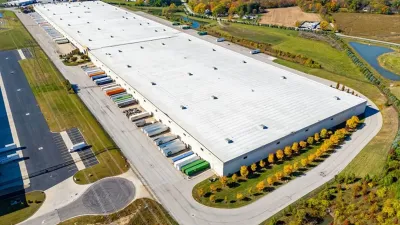
Levi Strauss & Co. is strategically shifting towards third-party logistics (3PL) services, partnering with Maersk to enhance its distribution capabilities. The company’s new Groveport facility will leverage state-of-the-art warehouse technology, including two EuroSort sortation systems, which are known for their efficiency in managing apparel logistics. According to a Maersk spokesperson, each EuroSort system is equipped with 40 induction and 600 order locations, enabling swift matching of products to orders. This technology can sort up to 28,000 products per hour and manage approximately 100 million units annually. The installation of the first EuroSort system is currently 70% complete, with the second unit expected to arrive in November. Full operational capability is slated for early 2025. Notably, the EuroSort systems also automate the handling of leftover cartons, minimising the number of trips needed by pickers through batch picking processes. Additionally, the facility will utilise Maersk’s Warehouse Management System, providing real-time visibility into inventory management. This allows Levi’s to adjust production dynamically and will serve as a training centre for operational improvements. This strategic pivot follows Levi’s announcement to transition away from a primarily owned-and-operated distribution network in the U.S. and Europe, aiming to reduce fulfilment costs. The Groveport location marks the tenth global facility operated by Maersk for Levi’s, further solidifying their partnership. As Craig Jones, Levi Strauss’ Senior Vice President of Global Distribution and Logistics Operations, stated, “This facility is an important step in our strategy to transition to a hybrid distribution and logistics network.”
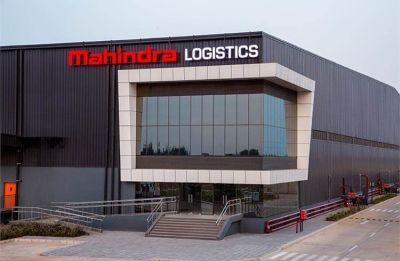
Mahindra Logistics, a leading integrated logistics firm, has announced a consolidated net loss of ₹10.75 crore for the quarter ending September 30, 2024. This marks an improvement from the loss of ₹15.93 crore reported during the same period last fiscal year. The company’s revenue from operations surged to ₹1,521.10 crore, up 11.45% from ₹1,364.76 crore in Q2 FY2024. In a statement, Mahindra Logistics emphasised its commitment to expanding capacity and investing in the eastern and northeastern regions of India. These investments, aimed at enhancing warehouses, delivery stations, and express logistics, are expected to contribute positively to the company’s growth in the latter part of the fiscal year. The firm reported a significant 65% year-on-year increase in revenues from its freight forwarding business, largely attributed to improved pricing in ocean freight. However, it acknowledged that ongoing geopolitical conflicts continue to exert pressure on the cross-border market, requiring careful monitoring. Additionally, losses from the express logistics segment were reduced by 32% year-on-year, thanks to continuous cost optimisation efforts. The company also noted a 10% decrease in EBITDA losses quarter-on-quarter, reflecting effective management strategies. “Growth in volumes continues to be a key priority for the business as it progresses towards an EBITDA breakeven,” the company stated. In the third-party logistics (3PL) sector, Mahindra Logistics reported over 21.6 million square feet of warehouse space under management, which is pivotal for its operational capabilities. The firm highlighted a robust revenue performance with a year-on-year growth rate of 11.5%. The 3PL contract logistics, cross-border, and last-mile delivery segments saw strong growth, driven by new account additions, innovative offerings, and a stable pricing environment for cross-border services. Rampraveen Swaminathan, Managing Director and CEO of Mahindra Logistics, noted the company’s proactive approach to expanding capacity and resources in contract logistics and last-mile delivery in anticipation of the upcoming festive peak. He acknowledged that while a soft demand environment and challenging operating conditions have impacted the express business, he is optimistic that the second half of the fiscal year will be stronger, buoyed by festive demand and margin improvement initiatives across all business segments. With strategic investments and an expanding infrastructure network, Mahindra Logistics is positioning itself for future growth in an evolving logistics landscape.

CEVA Logistics, a global leader in third-party logistics, has officially partnered with Almajdouie Logistics to establish a joint venture named CEVA Almajdouie Logistics in the Kingdom of Saudi Arabia (KSA). The agreement was finalised during the inaugural Global Logistics Forum held in Riyadh, following initial announcements made in July 2024 and subsequent approvals from relevant Saudi authorities. This strategic joint venture is set to address the increasing demand for integrated logistics solutions in Saudi Arabia, aligning with the nation's Vision 2030 objectives aimed at economic diversification and growth. CEVA Logistics holds a majority stake in the new venture, which will leverage the complementary strengths of both companies to enhance service offerings in the region. CEVA Logistics has had a presence in Saudi Arabia since the 1980s and has collaborated with Almajdouie Logistics on various initiatives, including a previous joint venture focusing on finished vehicle logistics. The newly formed CEVA Almajdouie Logistics will combine both companies' transport and logistics operations, enabling customers to benefit from Almajdouie’s extensive domestic infrastructure integrated with CEVA’s global network. Headquartered in Dammam, the joint venture will employ around 2,000 staff members and maintain a local fleet of over 2,000 assets, positioning itself as a key player in the KSA logistics sector. Mohammed Almajdouie, chairman of CEVA Almajdouie Logistics, expressed optimism about the collaboration, highlighting its potential to strengthen the global reach of Saudi businesses and enhance integrated services for clients. Mathieu Friedberg, CEO of CEVA Logistics, underscored the importance of seamless logistics and global connectivity for the domestic economy, asserting that the joint venture is a significant strategic move for both companies and will enhance customer experiences in the region.
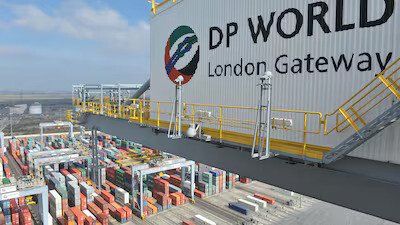
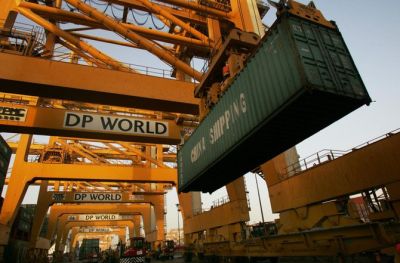
Global logistics powerhouse DP World has unveiled plans for a £1 billion expansion of the London Gateway, aiming to establish it as Britain’s largest container port within the next five years. This significant investment is expected to enhance the volume and resilience of international trade, marking a crucial step in bolstering the UK’s logistics capabilities. The expansion will include the construction of two new shipping berths, bringing the total to six, which will be capable of accommodating the world’s largest container vessels. Additionally, a second rail terminal will be developed to manage the anticipated increase in containerised trade, further integrating the port into global supply chains. By the end of the decade, the quayside will stretch over 2.5 kilometres, allowing simultaneous docking of six vessels, each exceeding 400 meters in length, and equipped with Europe’s tallest quay cranes, rivalling the height of Big Ben. This ambitious project will create 400 permanent new jobs, complementing the existing workforce of 1,200 at the site. The expansion marks a significant milestone in the rapid growth of the Thames Estuary hub, which commenced operations in 2013 and has played a pivotal role in the economic revitalisation of south Essex. With this latest investment, DP World’s total commitment to London Gateway will surpass £3 billion, transforming the former oil refinery site into one of the UK’s most critical logistics centres. Recently, the port saw the introduction of a £359 million fourth berth, notable for being powered entirely by electricity, set to welcome its first ship soon. Additionally, DP World has established Europe’s largest logistics park nearby, employing 1,500 workers and providing essential storage, warehousing, and distribution services. This facility benefits from excellent rail freight and motorway connections, enabling quick access to the significant consumer market of London and the South East. Fast-track planning consents allow businesses to rapidly erect new facilities in response to market demands. Sultan Ahmed bin Sulayem, Group Chairman and Chief Executive Officer at DP World, expressed pride in this major investment, emphasising its potential to enhance Britain’s trade flow and connect domestic exporters with global markets. “This investment underscores our long-term commitment to the UK,” he stated. Ernst Schulze, Chief Executive Officer for Ports & Terminals at DP World UK, highlighted the strategic advantages of London Gateway's location and transport infrastructure. “With extra capacity comes the reliability and supply chain resilience so important to our customers, especially during challenging times,” he noted. Pending planning approval and regulatory requirements, the expansion is anticipated to significantly boost the port's trade volume, which currently handles nearly 2 million TEUs annually. With a workforce of 5,500 across various logistics services, DP World is a key player in the UK economy, handling a substantial portion of imported containerised perishables at both London Gateway and Southampton. Operating in 78 countries, DP World manages 10% of global trade, underscoring its vital role in international logistics.

Mahindra Logistics, a leading integrated logistics solutions provider, has introduced a new brand identity, marking a significant step in its journey toward innovation and sustainable growth. The refreshed identity reflects the company's ambition to scale new heights and highlights its core values and future-focused vision. In a statement, the company emphasised that the new identity symbolises collective strength and a continuous drive toward forward momentum. It aligns with Mahindra Logistics' goal to deliver agile, technologically advanced, and sustainable end-to-end logistics solutions for its customers. Rampraveen Swaminathan, CEO and MD of Mahindra Logistics, shared insights on the company’s refreshed brand identity, stating, “Our new identity is a reflection of our vision in our actions. It honors our past, celebrates our present, and embodies our vision for the future. At the heart of this new brand identity lies the collective strength and growth of our employees, driving us to push boundaries.” With this rebranding, Mahindra Logistics reinforces its commitment to providing cutting-edge logistics solutions that adapt to evolving customer needs, while pushing the boundaries of technological advancement and sustainability. This move positions the company as a future-ready player in the fast-evolving logistics landscape.
The Goods and Services Tax Network (GSTN) has announced an important advisory regarding the integration of the Parcel Management System (PMS) with the E-Way Bill (EWB) system. This integration, facilitated through Application Programming Interfaces (APIs), enables the seamless transfer of Railway Receipt (RR) and Parcel Way Bill (PWB) data directly to the E-way bill portal, thereby enhancing the efficiency of goods transportation across the nation. The primary aim of this integration is to ensure that taxpayers using Indian Railways for goods transportation provide accurate information, minimising discrepancies in data reporting. Under the new guidelines, taxpayers utilising the Indian Railways PMS must enter the correct RR or PWB number in Part B of the EWB portal. A standardised format has been introduced to ensure consistency and accuracy in data entry. Specifically, suppliers transporting goods from their factories to railway stations must update Part B of the EWB, especially when opting for rail transport under the PMS. To do so, they need to use the “Multi-Transport Mode” option, select Rail as the transport mode, and input the corresponding RR or PWB number. The format for entering RR or PWB numbers has been standardised as follows: PXXXRRNo. Here, “P” indicates PMS, “XXX” denotes the originating station code, and “RRNo” is the actual Railway Receipt number. For example, if the RR number is 2020-307306 from station code NZM, it should be entered as PNZM2020-307306 in the EWB system. Furthermore, the EWB system will validate entered RR/PWB numbers against data from the PMS. Any mismatches will trigger alerts, urging taxpayers to ensure the accuracy of their entries to avoid delays. The correct input of RR and PWB numbers is critical for efficient tracking and verification of goods transported via Indian Railways, promoting hassle-free validation. Taxpayers experiencing difficulties or discrepancies are encouraged to raise support tickets, specifying the relevant RR or PWB number for assistance. This integration represents a significant advancement in enhancing compliance and ensuring smooth coordination between Indian Railways and GSTN. For detailed guidance, taxpayers can access sample formats within the system resources.
Singapore Changi Airport experienced a significant boost in air cargo volumes for the second quarter of 2024, handling 485,000 tonnes of airfreight from April to June. This represents a 16% increase compared to the same period last year. The growth is attributed to robust shipment flows between Singapore and major markets including the US and China. Changi Airport Group highlighted that the increase was seen across all cargo categories—exports, imports, and transhipments. The airport’s top five air cargo markets for the period were Australia, China, Hong Kong, India, and the United States. In the year-to-date, Changi Airport has processed a total of 960,000 tonnes of airfreight. The first quarter of 2024 also saw strong performance, with 475,000 tonnes handled, driven by high transhipment activity, particularly with China. Key sectors contributing to the cargo throughput include pharmaceuticals, perishables, e-commerce, and advanced materials like semiconductors. Notable airlines operating cargo flights at Changi include Spice Express, Tasman Cargo Airlines, Atlas Air, DHL Express, and Singapore Airlines, which collaborate on cargo operations. As of July 1, Changi Airport boasts 94 airlines operating over 6,900 weekly scheduled flights, linking Singapore to 158 cities across 50 countries and territories globally. This extensive network supports Changi’s role as a major international cargo hub. The airport’s continued growth in air cargo volumes underscores its importance as a critical logistics and transportation hub in the global supply chain.
AP Moller – Maersk is strengthening its operations in Bangladesh, where it has been serving the country and its exporters connect to the global market for almost three decades. Bangladesh has been one of the most important sourcing markets for the garments and apparel industry worldwide. The garment manufacturers exporting to global markets have significantly contributed towards building the country’s economy. Despite the impressive growth of garments exports from Bangladesh, the number of warehouses in Chattogram have not increased since 2012, with the sole exception of ISATL that became operational in 2018. Optimising utilisation of available capacity assisted to an extent, however it did not scale enough to meet the trade’s requirements. The logistics ecosystem and the Chittagong Port get stretched, particularly during the peak seasons. In 2021, a fallout of this structural challenge was felt by all the stakeholders involved in EXIM trade when the Container Freight Stations (CFSs) got clogged with cargo resulting in delayed clearance, stuffing and consequently dispatch of containers to the port. Delay in offloading cargo also led to longer truck waiting time, and delay in dispatch of containers to the port, consequently resulting in lack of overall productivity. These challenges have serious consequences on the overall economy of the country given the fact that the Chittagong Port handles in excess of 90 per cent of the total containerised trade to and from Bangladesh. Recognising these challenges, Maersk Bangladesh has partnered with Ispahani Summit Alliance Terminal Limited (ISATL) to build a 200,000 sq ft custom bonded warehouse. ISATL are pioneers in constructing and operating warehouses and CFS and operate four CFS within Chattogram and the River Terminal at Dhaka. Under the scope of this partnership, ISATL will construct a brand new custom bonded warehouse within the existing premises of the facility located at Pathortoli in Chattogram. The new warehouse will double the existing capacity at ISATL and add around 8 per cent additional space to the existing ecosystem at Chattogram. The construction of the new CFS has already commenced and is expected to be completed in a phased manner by the end of 2022. Bangladesh’s exporters and their overseas buyers will be able to start using the facility from July 2022, once the first phase of construction is completed. “Maersk’s commitment to connect and simplify our customers’ supply chains means that we look at long term solutions for problems such as the longstanding congestion within the ecosystem. We tackled the situation in 2021 by deploying an additional vessel for evacuating export loaded containers,” said Angshuman Mustafi, Managing Director, Maersk Bangladesh. “The solutions provided immediate relief to the ecosystem, but there was a need for a comprehensive solution to optimise ocean shipping, port handling and inland logistics that would benefit trade in the long term. By partnering with ISALT, we are establishing a facility that has the potential to partially decongest the system from the landside and streamline the flow of cargo in and out of Bangladesh.” Apart from adding capacity, the facility will offer several other benefits to Bangladesh’s exports. Amongst others, the new facility is being built by benchmarking international best practices when it comes to safety and other compliance guidelines. It will be modern multi-storeyed facility in Chattogram which will have storage at G+2 levels, thus making optimal use of available space to maximise the capacity. There will be an option to offer pallets for all operations, thereby improving the overall operational efficiency. Maersk will also offer customers Garment on Hanger facility, sorting, product audit, labelling, bar code and RFID scanning amongst others. “We are proud to partner with Maersk on this exciting long term project where ISATL’s extensive local experience combined with Maersk’s international best practices will allow us to create a truly world-class facility that will help raise the standards for the entire industry,” said Yasser Rizvi, Managing Director, ISATL.
Indian importers and exporters are grappling with significant cargo delays at Mundra Port, the country’s leading container trade hub. Local trade sources have voiced serious concerns about the worsening congestion at Mundra’s container terminals in recent weeks. "The terminals at Mundra now seem to be hugely congested, and the pendency has increased to levels affecting the normal movement of boxes between CFSs and terminals," stated the Container Freight Station Association Mundra in a complaint. The association added, "All the efforts put in by CFSs are not witnessing any improvement, but are rather finding that the situation is deteriorating further." A recent change in the process of issuing port entry permits for freight vehicles by the port authority has been identified as a major source of frustration. According to freight station owners, truckers are experiencing longer waits to move containers due to difficulties in securing entry permits promptly. "Vehicles are stranded on the road for hours together because of this. A corrective measure needs to be discussed with our members and worked out so as to ensure that movement continues without any hassles," explained the CFS association. The congestion has also frustrated container rail operators, as ICD (inland container depot) volumes constitute a significant portion of Mundra’s trade. The Association of Container Train Operators (ACTO) noted in a trade advisory, "There has been increased congestion at Mundra Port due to delays in effectively evacuating import containers in FIFO [first-in, first-out] sequence on time, despite trains being provided for clearance by container train operators [CTOs]." ACTO indicated that Indian Railways has restricted double-stack loading to expedite train evacuation from the port, resulting in additional ground rent charges for traders. Mundra, Adani Ports’ flagship entity, managed 7.4 million TEUs in the fiscal year 2023-24, marking a 15% increase over Nhava Sheva Port. With volumes rapidly expanding, the Adani Group is considering further investment to enhance capacity. "We continue to invest heavily in the business to drive growth, particularly in the logistics segment," stated Adani in a recent announcement.
Lufthansa Cargo has recently expanded its offerings, providing customers with new belly capacities on several attractive routes. Since the start of June, passengers and cargo alike can benefit from direct connections to various destinations, enhancing global connectivity and trade opportunities. Direct flights to North America, including routes from Frankfurt to Minneapolis (MSP) and Raleigh-Durham (RDU) with Lufthansa Airlines, are now available for booking. Additionally, from the Lufthansa Cargo hub in Munich, new connections to Seattle (SEA) three times a week, and daily capacity to Toronto (YYZ) and Vancouver (YVR) are being offered. Austrian Airlines has also introduced a new route, connecting Vienna with Los Angeles (LAX). Discover Airlines has expanded its services from Frankfurt to Halifax (YHZ) and Anchorage (ANC), further widening the reach of cargo transportation. Moreover, Lufthansa Cargo has introduced freighter capacity to Dubai World Central (DWC), providing customers with additional options for handling larger cargo items or special freight. This new service complements the existing belly service from Dubai International Airport (DXB) and offers enhanced flexibility and efficiency in cargo transportation. With a commitment to enhancing global connectivity and trade facilitation, Lufthansa Cargo continues to innovate and expand its service offerings. These new routes and increased capacities underscore Lufthansa Cargo's dedication to meeting the evolving needs of its customers in a rapidly changing global market.
26 airlines and forwarders have been working with CHAMP Cargosystems to review the company’s new air cargo insights service, MarketAnalytics. Rather than using monthly accounting updates or files, MarketAnalytics uses systems integration to get daily updates from across the air cargo supply chain. With that transformational approach, it offers more detailed information and potentially greater coverage than traditional services and can help clients to respond to market developments more quickly. CHAMP’s MarketAnalytics service provides market data and dashboards across key air cargo metrics to spot changes and opportunities. The ability to look at information by commodity and type of handling, in particular, is proving to be very popular. Insights are delivered as daily files, which carriers and forwarders can embed in their own data warehouses. The service also has Power BI dashboards which help managers to drill into data and to get alerts for their areas of interest. “MarketAnalytics is as transformational for air cargo intelligence as streaming was to music distribution,” says Christopher Shawdon, Head of Business Development at CHAMP Cargosystems. “Our new service offers much greater information and insights updated daily, and at much lower costs than traditional services.” Information shared into the service from trialists already creates market data on over 250 routes, each with over 10 tonnes per year and based on data from at least 3 participating carriers, none of whom has more than 60% share by weight.