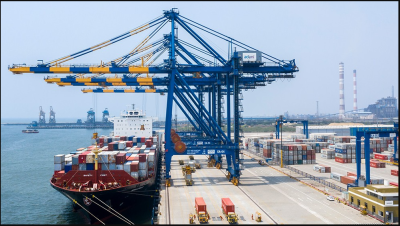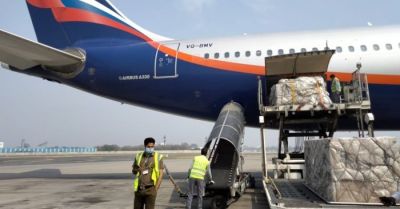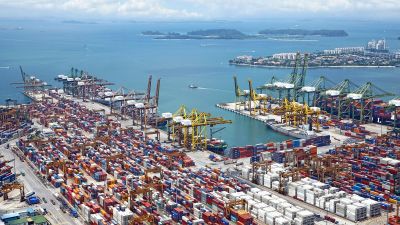
India's major ports experienced a very rare 3.2% year-on-year fall in cargo through October 2024, as official data showed. The total cargo handled at these 12 major ports fell to 68.22 million metric tonnes. A drastic fall in both crude oil and coal imports dragged down the figures. The overall cargo decreased mainly due to a decrease of 5.5% for overseas cargo, which consisted of 52.9 mmt. However, the domestic coastal shipping increased by 5.3% to 15.9 mmt. Crude oil, which comprised nearly 20% of the total cargo traffic, decreased by 8.8%, lowering to 12.9 mmt. The quantity of petroleum products also decreased, leading to the general decline. Its traffic, the most significant revenue earner, was down 13% versus last year, and declined even sharply because of the sharp fall in volumes of non-thermal coal. Yet, with the festival season, October usually witnesses higher cargo volume and the containerised volumes at the government-controlled ports were essentially flat with just a minus 0.2%. Contrasting that, India's overall merchandise exports grew by 17% as its pace marked a 28-month high led primarily by inventory build-up before Christmas and New Year time. On a positive note, private ports witnessed 5.7% growth in cargo volume to 64.2 mmt. Container volume at the private ports has seen an exponential growth of 21.5%, which actually speaks about festival season boosters. Adani Ports and Special Economic Zone, the largest private port operator in the country, reported an 8% Y-o-Y growth in total cargo handled, at 257.7 mmt, pulled up by 19% growth in container volumes and 9% liquid and gas cargo. As of the fiscal year 2024-25, traffic at major ports has increased by 3.9%, with the total touching 481 mmt. However, some individual ports saw drastic falls, as does the Kolkata Port that slipped down 25% in handling cargo whereas Visakhapatnam Port fell by 15.5% for October.
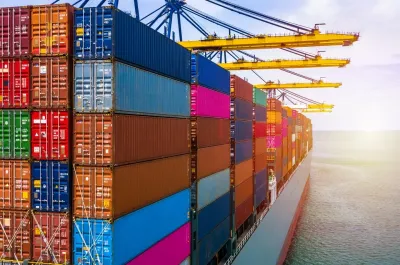
The global container fleet is expanding at a pace never before seen as shipyards achieved a new annual record in 2024. According to the latest report from BIMCO, in the first ten months of the year, 410 container ships with a total capacity of 2.5 million TEU have been delivered, which surpassed the 2023 full-year record of 2.3 million TEU. This rapid growth has brought the global container fleet to 2.4 million TEU, or an increase of 8.7%, with a total capacity of 30.4 million TEU on 6,699 ships. Container fleet increased by 32% since early 2020, a period that witnessed the delivery of 7.8 million TEU, which is a record five-year period, Chief Shipping Analyst Niels Rasmussen said. Ship owners have continued to place orders for new ships at a frenetic pace; in 2024, contracts for an additional 286 ships (3.3 million TEU) have been added to the order book. This has put the order book back up to 7.6 million TEU, which is approximately 25% of the current fleet size. The drivers for fleet growth are primarily vessels in the size range 12,000 to 17,000 TEU, accounting for 42% of growth since 2020 and close to half of the order book currently. Ultra-large ships of above 17,000 TEU make up a substantial part, comprising 27% of order book capacity. Although the recycling rate of ships in recent years was low, there is expectation that aged vessels will go back into the recycling market soon. 3.4 million TEU, which will attain the age of 20 years, are in the recycling queue, as they top the list for recycling. The next five-year fleet growth, in fact, would be toned down to about 14 percent if these vessels are recycled. This record fleet expansion will impact shipping prices, port congestion, and the general logistics environment as the industry tries to adjust to the added capacity and changing market needs.
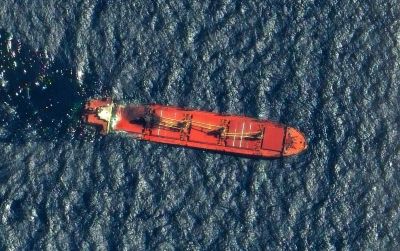
The shipping ministry of Bangladesh has taken a firm stance on maritime operations by issuing a directive mandating strict compliance with both international and national regulations regarding sanctioned vessels and cargoes. This initiative, highlighted in a recent report by The Daily Star, is part of the government’s ongoing effort to safeguard national security and uphold the integrity of the country’s maritime sector. The circular, signed by Commodore Mohammad Maksud Alam, Director General of the Department of Shipping, underscores the potential risks posed by vessels engaging in trade with sanctioned nations. It emphasises that such vessels could jeopardise Bangladesh's maritime reputation and security, making adherence to these regulations critical. According to the ministry, no cargo subject to international sanctions is permitted to be loaded, unloaded, transited, or stored within Bangladesh’s jurisdiction, irrespective of its origin or destination. The ministry has made it clear that failure to comply with these regulations will incur severe penalties, which may include hefty fines, suspension of operating licenses, and possible criminal charges against offending parties. To reinforce compliance, the ministry has pledged to implement stringent monitoring and inspection protocols. It has called on all stakeholders, including shipping companies and port authorities, to remain vigilant and report any suspicious activities related to vessels or cargoes linked to sanctioned countries or entities. The ministry's emphasis on collaboration among stakeholders is crucial for maintaining the security and reputation of Bangladesh’s maritime operations, particularly in an increasingly complex global trade environment. As Bangladesh navigates these challenges, the shipping ministry’s directive serves as a reminder of the importance of regulatory compliance in sustaining the country's maritime integrity.
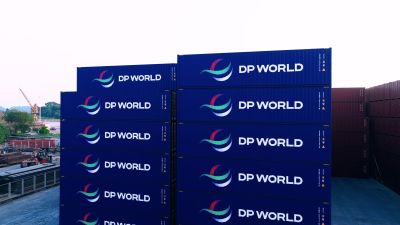
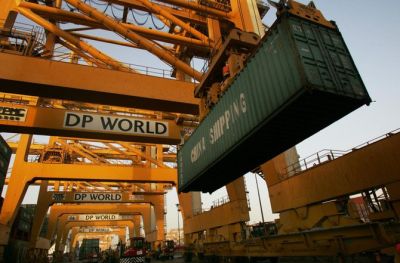
DP World has acquired 47,000 twenty-foot equivalent units (TEUs) for the first time, marking a significant expansion of its container fleet. This acquisition will not only boost DP World's cargo capacity but also enhance its ability to respond quickly and flexibly to customer needs. The newly branded and registered containers will provide DP World’s customers with seamless access to critical container capacity. This ensures that even during periods of peak demand or unforeseen disruptions, businesses can continue to move goods efficiently. With this increased control over delivery schedules, DP World is positioned to minimise delays, making supply chains more resilient and adaptable in the current fast-paced global environment. This investment aligns with DP World’s fleet renewal strategy, which focuses on delivering reliable and efficient equipment to its customers. The acquisition of a younger fleet, with reduced maintenance requirements, is expected to lower operating costs, which will benefit customers by providing high-quality, consistent service. The move underscores the company’s commitment to maintaining reliability in an increasingly complex supply chain landscape. Ganesh Raj, Global Chief Operating Officer, Marine Services at DP World, commented: “In today’s increasingly complex and competitive commercial environment, supply chains are under growing pressure. This injection of 47,000 TEUs into the existing ecosystem of DP World-owned assets will help our customers access the capacity they need, safe in the knowledge that their goods will be moved from end to end with a single partner.” DP World’s extensive multimodal logistics network spans vessels, ports, terminals, economic zones, and warehousing facilities across 78 countries. Additionally, the company has committed to using fuel-efficient vessels, trucks, and trains to transport the new containers, aligning with its sustainability goals. The acquisition represents DP World’s ongoing efforts to streamline global trade, lower operational costs, and reduce environmental impact, ensuring smooth and efficient supply chain operations for its customers worldwide.
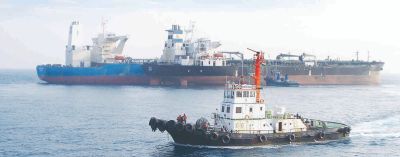
The Syama Prasad Mookerjee Port, Kolkata (SMPK), and the Haldia Dock Complex have experienced a notable downturn in cargo handling during the first half of the fiscal year 2024, reporting an 8.7% decline in combined cargo volumes. In stark contrast, 12 major ports across India collectively achieved a 5% increase in cargo handling during the same period. Key to this decline is the substantial drop in coking coal volumes, which constitutes a major portion of the cargo for these ports. In the April-September 2024 period, coking coal handling plummeted by 33% compared to the previous fiscal year. SMPK handled 28.54 million tonnes (MT) of cargo in this timeframe, a decrease from 31.26 MT last year. The Kolkata Dock System (KDS) was hit particularly hard, with a significant 15.18% drop in tonnage, falling from 8.38 MT to 7.11 MT. Meanwhile, the Haldia Dock Complex recorded a 6.34% decline, with volumes dropping from 22.88 MT to 21.42 MT. Notably, apart from SMPK, only Mormugao port in Goa recorded a cargo handling decrease of 5.67%. Conversely, the 12 major ports together processed 413.74 MT of cargo in the first half of FY24, up from 393.9 MT during the same period last year. The primary factor contributing to SMPK's cargo decline is the diversion of coking coal shipments to nearby ports such as Paradip and the Adani-owned Dhamra, which offer deeper drafts. For instance, coking coal handling at SMPK dropped to 6.86 MT in H1FY24 from 10.22 MT in H1FY23, while Paradip's volumes increased by 1 MT to 8.4 MT. The ongoing spike in seaborne bulk cargo rates, driven by geopolitical tensions in the Red Sea, has further exacerbated the situation. Importers have increasingly avoided anchorages like Sandheads, leading to decreased traffic. The limited draft at Haldia restricts larger vessels, significantly increasing logistics costs and limiting economies of scale for importers. SMPK officials remain hopeful that coking coal volumes will rebound with the onset of fair weather in October, potentially stabilizing operations. Source: The Statesman
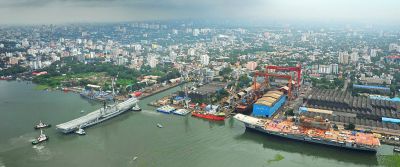
The Central administration has announced its intention to divest a 5% stake in Cochin Shipyard Ltd through an Offer for Sale (OFS), with the minimum share price set at ₹1,540. The OFS is scheduled to open on October 16, 2024, exclusively for non-retail investors, while retail investors will have the opportunity to participate starting October 17. This strategic move will feature a base offer of 2.5%, with an additional 2.5% available through a green shoe option. As of September 30, the government held a substantial 72.86% stake in Cochin Shipyard. The decision to divest comes on the heels of impressive financial results from the company. For the quarter ending June 30, 2024, Cochin Shipyard reported a remarkable 76.5% year-on-year increase in net profit, which surged to ₹174.2 crore, compared to ₹98.7 crore during the same quarter last year. The company's revenue from operations also experienced a significant boost of 61.1%, climbing to ₹771.5 crore from ₹475.9 crore in the previous fiscal year. Cochin Shipyard's operational metrics reflect robust growth, with Earnings Before Interest, Tax, Depreciation, and Amortisation (EBITDA) more than doubling—an impressive 125% increase to ₹177.3 crore. The EBITDA margin improved significantly to 23% for the reporting quarter, up from 16.5% in the corresponding period of the prior fiscal year. The company’s growth has been largely driven by its Ship Building segment, which saw revenue rise by 62% to ₹527 crore, accounting for 68% of overall revenue. The Ship Repair segment, responsible for 32% of total sales, also reported a substantial revenue increase of 63%, reaching ₹245 crore, with margins rising to 43% from 24% in the previous year. As of Tuesday's market close, Cochin Shipyard's shares are down 44% from their peak of ₹2,977, achieved in July. However, the stock remains up fourfold from its initial public offering (IPO) price of ₹432, showcasing its long-term growth potential despite recent fluctuations.

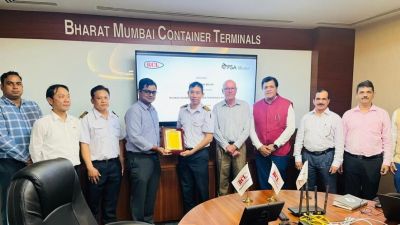
Regional Container Lines (RCL) has taken a significant step to enhance its India service by deploying the 7,000 TEU vessel, MV Hemma Bhum, to its RWA2 service. This vessel made its inaugural call at the PSA BMCT terminal in Nhava Sheva and the Adani Container Terminal in Mundra during the last week of September 2024, marking a milestone in RCL's operations. The RWA2 service is pivotal for the China-India trade route and is operated in collaboration with various stakeholders, with RCL serving as the lead partner. This service connects critical ports, including Shanghai, Ningbo, Shekou, Singapore, Port Klang, Nhava Sheva, and Mundra. By upsizing the RWA2 service, RCL aims to boost customer confidence while expanding its service portfolio to provide more options between China, Southeast Asia, and West India. To commemorate the MV Hemma Bhum’s maiden voyage to India, RCL hosted a trade meet in Mumbai, bringing together Beneficial Cargo Owners (BCOs), port and CFS operators, and freight forwarders. Ms. Thitinun Chinvararuk, Vice President – Business Development and Procurement at RCL, emphasised the importance of MV Hemma Bhum in RCL's maritime journey. She highlighted the company’s commitment to cooperation and shared the vision for progress, underscoring RCL's aspirations for growth in India. Mr. Mukesh Oza, Director of RCL Agencies (India), conveyed heartfelt appreciation to customers for their continued support, on behalf of Mr. Sumate Tanthuwanit, Chairman of the Executive Committee, and President Dr. Twinchok Tanthuwanit. He further outlined RCL's vision for growth and expansion in India, including developing Inland Container Depots (ICDs) and introducing additional services tailored to meet the evolving needs of trade and customers.
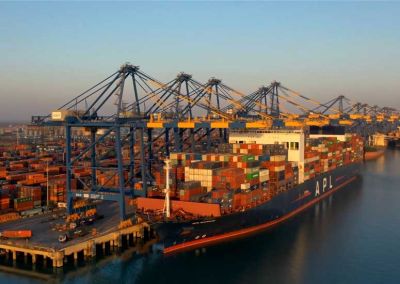
Adani Ports and Special Economic Zone (APSEZ) has announced a remarkable 14% year-on-year increase in cargo volume for September 2024, signaling strong growth in India's logistics and maritime sector. The ports handled a total cargo volume of 28.33 million tonnes during the month, compared to 24.82 million tonnes in September 2023. This growth is attributed to the rising demand for commodities and the company’s continuous investments in enhancing operational efficiency. Notably, the increase in cargo handling reflects APSEZ’s strategic initiatives aimed at expanding its capabilities and streamlining processes. The company has focused on augmenting its infrastructure, introducing advanced technology, and optimising logistics networks to support increasing trade volumes. The growth was particularly driven by a surge in container volumes, which increased by 10%, underscoring the robustness of India's import and export activities. APSEZ’s management remains optimistic about maintaining this upward trajectory, highlighting their commitment to sustainability and innovation. They aim to leverage technology to enhance service offerings and improve turnaround times, which are critical for ensuring the seamless flow of goods. As India’s largest private port operator, Adani Ports plays a crucial role in facilitating trade and logistics, significantly contributing to the nation's economic growth. With continued investments and a focus on operational excellence, the company is poised to capture further market share in the rapidly evolving logistics landscape.
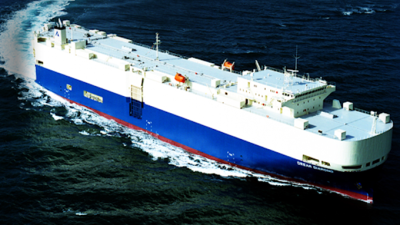
MacGregor, a division of Cargotec, has received a significant order to supply cargo access equipment for 12 new Pure Car and Truck Carriers (PCTCs) with an option for eight additional vessels. The vessels are set to be constructed at China Merchants Heavy Industry (Jiangsu) Co., Ltd. (CMHI) for CIDO Shipping. This order is included in Cargotec's third-quarter 2024 order intake, with deliveries scheduled to commence in the second quarter of 2026 and conclude by the fourth quarter of 2029. The contract encompasses the design and essential components for quarter ramps, side ramps, internal ramps, covers, and liftable car decks, along with installation assistance. MacGregor's successful collaboration with CMHI, marked by dependable deliveries and high-quality solutions, was pivotal in securing this contract. CIDO Shipping's longstanding partnership with MacGregor, which includes equipping numerous vessels with MacGregor technology, also influenced the decision. Magnus Sjöberg, Senior Vice President of the Equipment Solutions Division at MacGregor, expressed pride in continuing the partnership with CMHI and CIDO Shipping. He emphasised that the order reflects MacGregor's commitment to delivering innovative and reliable solutions that enhance operational efficiency and vessel performance over the long term. This order highlights the company's strong relationships with its customers and its reputation for reliability and quality in the maritime industry. This order not only signifies growth for MacGregor but also underscores the ongoing demand for advanced cargo handling solutions in the evolving shipping sector.
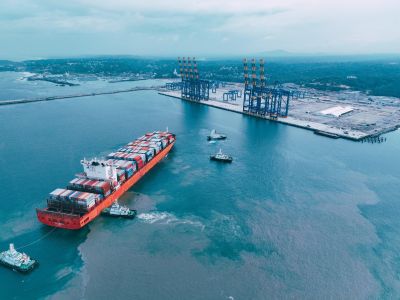
The much-anticipated Vizhinjam Port is on track for commissioning next month, promising to transform logistics for millions across southern India. Strategically located, the port is expected to serve around 120 million consumers in Chennai, Coimbatore, Bengaluru, Tirunelveli, and Thoothukudi—cities reachable within 18 to 24 hours by road or rail. Additionally, it will connect with 220 million consumers in Hyderabad, Vizag, and Goa, which are 48 hours away, once full operations and rail connectivity are established. The demand from shipping companies is substantial, as Vizhinjam allows for seamless unloading of transshipment cargo, facilitating quicker routes to subsequent destinations without unnecessary detours. This efficiency is set to lower logistics costs significantly, making the port an attractive option for businesses across India eager to streamline their supply chains. Plans are also underway for allied developments near the port to support this growing demand while maintaining environmental sustainability. An official highlighted the potential for a logistics park to further enhance service offerings to customers from surrounding cities. In its initial phase, Vizhinjam Port will primarily handle ship-to-ship traffic until road and rail links are fully operational. Managed by Adani Ports, the facility has already received 23 cantilever rail-mounted gantry cranes and eight rail-mounted quay cranes, which are being utilised during the trial phase to optimise cargo handling capacity. The port is further equipped with a pilot-cum-survey vessel, navigational buoys, and four tugs, enhancing operational readiness. With these developments, Vizhinjam is poised to become a vital hub in India's logistics landscape, driving economic growth and improving supply chain efficiencies.
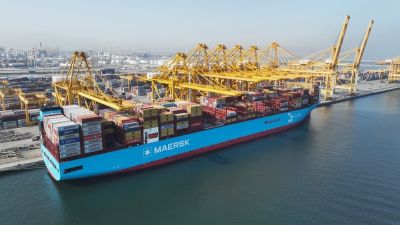
In a landmark effort to promote sustainable shipping, A.P. Moller – Maersk co-hosted Japan’s inaugural methanol bunkering simulation at the Port of Yokohama. This initiative marks a significant stride towards developing methanol fuel bunkering capabilities in the region, aligning with Japan’s goals for decarbonisation. The simulation featured the Alette Maersk, the company’s fifth dual-fuel methanol vessel, which was recently launched in Los Angeles. A key participant was the Eikamaru, a methanol tanker operated by Kokuka Sangyo, which facilitated essential operations such as berthing, unberthing, and hose connections—critical components for establishing a safe and efficient methanol bunkering infrastructure. As Japan formulates its methanol fuel bunkering guidelines, the insights gained from this simulation will be instrumental in shaping the nation’s fuel supply infrastructure. Maersk’s collaboration with the City of Yokohama and Mitsubishi Gas Chemical, bolstered by support from Japan’s Ministry of Land, Infrastructure, Transport, and Tourism’s Port and Harbor Bureau, is central to these developments. Director Nakagawa Kenzo of the Industrial Port Policy Division emphasised the importance of this initiative, announcing plans for a study group to explore methanol bunkering hubs in Japan. “Establishing these hubs is vital, and we will accelerate discussions based on insights from this simulation,” he noted. Yasuhiro Shimbo, Director General of the Port and Harbor Bureau in Yokohama, reaffirmed the port’s commitment to advancing methanol bunkering capabilities, contributing to the decarbonisation of both Japanese and global maritime transport. Maersk’s Managing Director for Northeast Asia, Toru Nishiyama, expressed the company’s dedication to supporting Japan’s ambitions for a decarbonised future. “We look forward to collaborating with the industry to accelerate the adoption of lower-emission practices,” he stated. As interest in alternative fuels grows, methanol stands out for its lower carbon emissions, positioning it as a promising solution for the future of sustainable shipping.
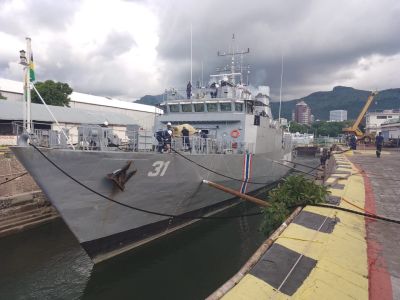
State-run Garden Reach Shipbuilders & Engineers (GRSE) has been awarded a significant contract worth USD 54 million from Carsten Rehder Schiffsmakler and Reederei GmbH & Co. Under this contract, GRSE will design, build, and deliver four multi-purpose vessels, each with a deadweight tonnage (DWT) of 7,500. The agreement also includes an option for an additional four vessels, potentially doubling the contract's total value to USD 108 million. The vessels are expected to meet diverse operational requirements, enhancing logistical capabilities for their intended maritime applications. The entire project is scheduled for completion within 33 months from the contract's signing date, showcasing GRSE’s capability to deliver complex maritime solutions within a stipulated timeline. This deal not only bolsters GRSE's position in the international maritime industry but also underscores its commitment to advancing its shipbuilding technology and expanding its global footprint.

DP World’s subsidiaries, Community Network Services (CNS) and SeaRates, have unveiled CNS Enterprise, a revolutionary cloud-based service suite aimed at transforming logistics management. This new platform integrates customs and freight operations with a robust Enterprise Resource Planning (ERP) system developed by SeaRates, offering a unified solution for the logistics and freight forwarding industry. CNS Enterprise is designed to streamline complex logistics workflows by consolidating various functions into a single platform. This includes customs handling, freight forwarding, and financial management, addressing key industry challenges such as cost control and operational efficiency. The suite’s comprehensive functionality extends to managing customs declarations, cross-border movements, customer relationship management (CRM), and account management. Matthew Bradley, Managing Director of CNS, highlighted the platform’s potential to enhance competitiveness in a volatile market. “We’re delighted to partner with SeaRates ERP to launch CNS Enterprise, which aims to make cargo journeys more seamless and accessible. By integrating our customs declarations and port community systems, we provide our customers with a competitive edge, ensuring a smoother and more manageable supply chain journey,” Bradley remarked. Ayaz Maqbool, Group Senior Vice President of Digital Product Sales at DP World, emphasised the importance of CNS Enterprise in today’s challenging business environment. “In an era of heightened cost pressure and demand for reliability and speed, CNS Enterprise equips vendors of all sizes with the tools needed to manage cargo transportation from start to finish. This collaboration with CNS represents a significant leap forward in our cloud solutions market, offering a high-quality product that enhances end-to-end supply chain control.” Set to launch on October 22, CNS Enterprise will offer features such as billing, invoicing, and quotation generation, along with document management, tracking, and direct booking for land, sea, and air freight. Users will benefit from real-time visibility into sailing schedules and freight milestones. This comprehensive suite positions CNS to strengthen its presence in the UK’s supply chain sector and solidify its standing in the cloud solutions market, driving greater efficiency and profitability for logistics businesses.
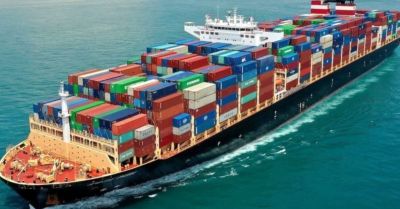
In response to strained political relations between Bangladesh and India, shipping lines have rapidly introduced new direct routes from China to Bangladesh, increasing capacity and shortening transit times. Pacific International Lines (PIL) has launched the China Chittagong Express, a weekly service that reduces the shipping time from China to Chittagong to just eight days, compared to the previous 20-22 days via regional hubs like Singapore and Port Klang. The first vessel, carrying 935 TEUs, departed Ningbo on 31 August, stopping in Shanghai and Shekou before reaching Chittagong on 16 September. It is expected to return to China with over 1,000 TEUs. Currently, three vessels are operating this route, but more could be added to meet rising demand. Bangladesh, which sources 25% of its imports from China, is expected to increase its imports, especially for the garment industry, as political tensions with India affect trade. Besides PIL, other major shipping lines such as Maersk, MSC, CMA CGM, and Sinocor-Hyundai have enhanced their China-Bangladesh services, with six operators now running ten ships weekly. These developments reflect China’s growing investment and influence in Bangladesh’s trade infrastructure.
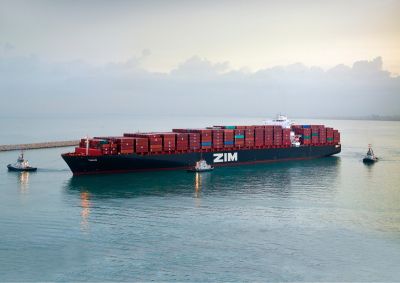
NYSE-listed ZIM Integrated Shipping Services, an Israel-based global container liner company, has announced a new long-term operational cooperation with MSC Mediterranean Shipping Company to cover the Asia-U.S. East Coast and Asia-U.S. Gulf trades. The services are set to launch in February 2025, pending regulatory approvals and filings, according to an official release. This strategic collaboration aims to expand ZIM's port coverage, elevate service quality, and achieve significant operational efficiencies. Eli Glickman, President and CEO of ZIM, emphasised that the partnership is a direct outcome of ZIM’s fleet renewal program, which has strengthened its competitive position, particularly on the Asia-U.S. East Coast trade. "This important collaboration reflects ZIM's commitment to delivering an outstanding shipping solution and taking proactive steps to enhance network efficiencies," Glickman stated. "We are pleased to join forces with MSC, a trusted partner, to augment our network while maintaining our customer-centric approach and commitment to the highest service levels." Aligned with ZIM's focus on decarbonisation, the partnership will promote the use of larger, eco-friendly vessels, including LNG-powered ships. ZIM is notably the first carrier to introduce LNG capacity to the Asia-U.S. East Coast trade, offering unique green services that strengthen its market position. The three-year agreement includes slot swaps and vessel sharing arrangements across six services connecting Asia to the U.S. East Coast, West Coast of Mexico, Caribbean ports, and U.S. Gulf ports, enhancing the connectivity and service offerings for both companies. As market conditions evolve, ZIM aims to remain agile and capitalise on further opportunities that will benefit the company operationally and financially.
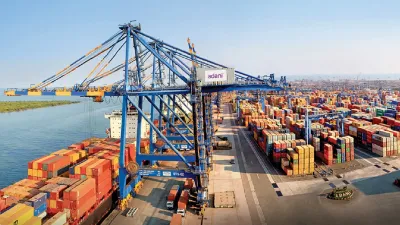
Adani Ports and Special Economic Zone (APSEZ), led by Gautam Adani, reported a five per cent increase in cargo volumes for August 2024, handling 36.1 million metric tonnes (MMT), compared to the same period last year. The company’s operations faced disruptions equivalent to almost four days at its Mundra port and Tuna terminal due to adverse weather conditions in the Kutch region of Gujarat. The rise in cargo was mainly driven by container volumes, which surged nearly 11 per cent year-on-year. The Kattupalli port recorded its highest-ever monthly volume of 1.4 MMT, further boosting the overall performance. For the first five months of the current financial year, Adani Ports handled a total of 182.4 MMT of cargo, reflecting a seven per cent growth year-on-year. The robust performance was led by a 17 per cent rise in container cargo, followed by a seven per cent increase in liquid and gas cargo. The company highlighted the continued utilisation of its logistics assets, with year-to-date August 2024 rail volumes growing by 13 per cent year-on-year to 0.26 million TEUs. Additionally, General Purpose Wagon Investment Scheme (GPWIS) volumes saw a substantial 23 per cent year-on-year growth, reaching 9.08 MMT. These gains underscore Adani Ports' resilience and strategic focus on expanding its container handling capacity, despite weather-related operational challenges.
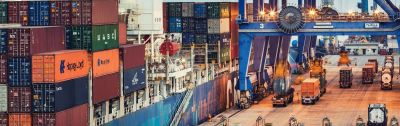
DP World Mundra has achieved a remarkable milestone by handling its highest ever monthly throughput of 1,29,368 TEUs in July 2024, underlining its pivotal role in facilitating trade between Gujarat and the global market. This achievement showcases the terminal’s exceptional operational efficiency and its capacity to manage increasing trade volumes, further solidifying its position as a key player in India’s trade network. Since its inception in 2003, DP World Mundra has handled a total throughput of 1,74,95,602 TEUs. The terminal’s ongoing commitment to sustainable operations is evident in its recent introduction of electric rubber tyred gantry cranes (e-RTGCs) and the electrification of existing ones. Additionally, DP World Mundra has replaced its light motor vehicles (LMVs) with electric versions (e-LMVs) and converted diesel forklift trucks (FLTs) to electric (e-FLTs), reinforcing its dedication to green initiatives. Ravinder Johal, Chief Operating Officer of Ports & Terminals, Operations & Commercial, Middle East, North Africa & Subcontinent, DP World, stated, “The record throughput at DP World Mundra is a testament to our unwavering commitment to operational excellence and sustainable port operations. By optimising our supply chain processes and enhancing connectivity, we are not only boosting trade efficiency but also supporting the growth of industries in Gujarat and beyond. Our ongoing efforts in equipment electrification will further minimise carbon footprint and promote sustainable practices in port operations.” DP World Mundra features a 632-meter quay and a deep draft, allowing it to accommodate large vessels. With a capacity of 1.4 million TEUs spread across 37 hectares, the terminal is crucial in boosting India’s trade efficiency. The terminal is further supported by an 18,000 sqft container freight station (CFS) located just 4 kilometres away, offering a strategic advantage for handling less-than-container load (LCL) and full container load (FCL) import and export cargo. Leveraging advanced technology and excellent road and rail connectivity to northern and central India, DP World Mundra continues to drive economic growth in the region.
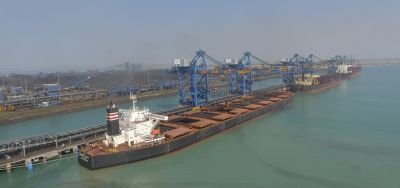
Adani Krishnapatnam Port has introduced India’s most advanced cargo handling system, marking a significant leap in port technology. The new system aims to streamline the management of both containerised and bulk cargo, enhancing efficiency and reliability. Key innovations include automated tracking, real-time data analysis, and improved logistics coordination, which collectively boost speed, accuracy, and safety while reducing costs. This development positions Adani Krishnapatnam Port as a technological leader in the industry, setting new standards for cargo management. An official spokesperson highlighted that the upgrade aligns with Adani’s philosophy of "Growth with Goodness," emphasising improved infrastructure for increased safety and sustainability. The new system is designed to provide substantial economic benefits to Indian importers by optimising port operations and evacuation systems, resulting in faster turnaround times and enhanced delivery efficiency. This move reinforces Adani Krishnapatnam Port’s commitment to contributing to national development while delivering advanced, efficient port services. The announcement follows Adani Ports’ Q1FY2025 results, which reported a 47% increase in net profit due to higher cargo volumes.
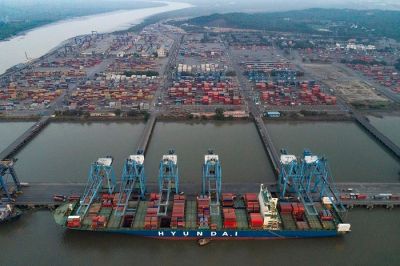
The Jawaharlal Nehru Port Authority (JNPA), India’s leading port, has achieved a significant milestone in its operational history by handling an impressive 603,219 TEUs in July 2024. This achievement marks the highest monthly container throughput ever recorded at the port, surpassing the previous record of 594,793 TEUs set in March 2024. This notable accomplishment represents a remarkable month-on-month (MoM) growth of 16.39%, underscoring JNPA’s crucial role in facilitating India’s maritime trade. Key Highlights of July 2024: - Record-Breaking Throughput: JNPA handled 603,219 TEUs, the highest ever monthly container traffic at the port. - Cargo Handling: The port managed 7.54 million tonnes of total cargo and 603,219 TEUs of containers, reflecting a 9.09% increase in cargo and a 16.39% rise in container traffic compared to July 2023. - Rail Operations: JNPA handled 530 container rakes and 84,494 TEUs in July 2024, compared to 511 rakes and 83,426 TEUs during the same period in the previous financial year. Year-to-Date (YTD) 2024-2025 Highlights: - Total Cargo and Container Traffic: From April 2024 to July 2024, JNPA handled 29.53 million tonnes of total cargo and 2,291,366 TEUs of containers, marking a 5.82% and 12.07% increase, respectively, compared to the corresponding period in the previous financial year. - Rail Traffic: The port handled 2,064 rakes and 325,593 TEUs from April to July 2024, compared to 2,041 rakes and 325,593 TEUs during the same period last year. The consistent growth rate at JNPA is a testament to the efficient operations of all its terminals, adhering to global standards. JNPA continues to provide seamless EXIM experiences to the industry by offering end-to-end logistics solutions while maintaining sustainable practices.
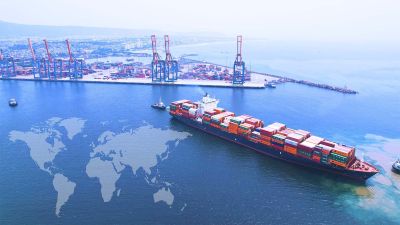
Vishakhapatnam Port Authority (VPA) marked a milestone by handling the largest cargo ever carried by a single vessel to an Indian port. The Newcastlemax size vessel, MV Huahine, arrived at Vishakhapatnam Port on Thursday, July 25, with a record 199,900 MT of manganese ore from Gabon, Central Africa. The vessel, berthed at the Vizag General Cargo Berth operated by Vedanta, boasts a length overall (LOA) of 300 meters, a beam width of 50 meters, and an arrival draft of 18.46 meters. The cargo is allocated as follows: 124,500 MT for Vizag, 16,000 MT to be transshipped to Dhamra, and 59,400 MT to be transshipped to Haldia. In response to this achievement, VPA Chairperson Dr. M. Angamuthu, IAS, convened a high-level meeting with stakeholders to discuss marketing strategies aimed at boosting cargo volumes. The shipment was facilitated by M/S ERAMET S.A. France, one of the largest exporters of manganese ore and a leading producer of high-grade manganese, nickel, and titanium globally. "This shipment is a significant milestone for Vishakhapatnam Port and Bothra Shipping Services Pvt. Ltd. The port is thrilled to support such initiatives and is committed to transforming Vizag port into a hub for bulk cargo transshipment in the future," said Dr. Angamuthu. The successful handling of MV Huahine underscores VPA's capacity to manage large-scale shipments and enhances its reputation as a key player in India's maritime sector. With ongoing efforts to improve infrastructure and services, Vishakhapatnam Port is poised to become a major hub for bulk cargo transshipment, further bolstering India's position in global trade. The arrival of MV Huahine signals the beginning of a new chapter for VPA, demonstrating its readiness to handle larger vessels and more substantial cargo volumes, thereby contributing to the growth and development of the country's maritime industry.
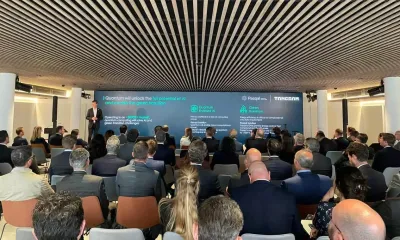
CMA CGM has announced a groundbreaking partnership with Pasqal, aiming to leverage quantum computing to enhance efficiency, responsiveness, and adaptability in transport and logistics. The collaboration will focus on optimising container management, particularly their loading on ships. A key component of this partnership is the establishment of a Quantum Computing Center of Excellence at TANGRAM, CMA CGM’s innovation hub dedicated to training and development. This center will feature a quantum processor developed by Pasqal, providing CMA CGM with cutting-edge technology to advance its logistics operations. To foster a deeper understanding of quantum computing within the company, Pasqal will provide an e-learning platform for CMA CGM staff. Additionally, TANGRAM and Pasqal will co-organise events such as use case workshops, technical presentations, and master classes, aimed at promoting innovation and collaboration among CMA CGM employees, partners, clients, and suppliers. This initiative aligns with CMA CGM’s strategy to innovate and transform its activities through advanced technologies. It builds on previous investments in tech companies and artificial intelligence projects, including Kyutai and Mistral AI. The partnership with Pasqal positions CMA CGM at the forefront of digitalisation in the transport and logistics sector. Hadi Zablit, Executive Vice President for Information & Technology at CMA CGM, stated, "This partnership with Pasqal will allow CMA CGM to apply quantum computing technologies to maritime transport and logistics, reinforcing our Group’s position as a leader in the digital transformation of our industry." Georges-Olivier Reymond, CEO of Pasqal, echoed this enthusiasm, highlighting the partnership's potential to develop concrete use cases and advance quantum computing research. Reymond expressed eagerness to collaborate with CMA CGM, a historic French company, to unlock the full potential of quantum computing.
Singapore Changi Airport experienced a significant boost in air cargo volumes for the second quarter of 2024, handling 485,000 tonnes of airfreight from April to June. This represents a 16% increase compared to the same period last year. The growth is attributed to robust shipment flows between Singapore and major markets including the US and China. Changi Airport Group highlighted that the increase was seen across all cargo categories—exports, imports, and transhipments. The airport’s top five air cargo markets for the period were Australia, China, Hong Kong, India, and the United States. In the year-to-date, Changi Airport has processed a total of 960,000 tonnes of airfreight. The first quarter of 2024 also saw strong performance, with 475,000 tonnes handled, driven by high transhipment activity, particularly with China. Key sectors contributing to the cargo throughput include pharmaceuticals, perishables, e-commerce, and advanced materials like semiconductors. Notable airlines operating cargo flights at Changi include Spice Express, Tasman Cargo Airlines, Atlas Air, DHL Express, and Singapore Airlines, which collaborate on cargo operations. As of July 1, Changi Airport boasts 94 airlines operating over 6,900 weekly scheduled flights, linking Singapore to 158 cities across 50 countries and territories globally. This extensive network supports Changi’s role as a major international cargo hub. The airport’s continued growth in air cargo volumes underscores its importance as a critical logistics and transportation hub in the global supply chain.
AP Moller – Maersk is strengthening its operations in Bangladesh, where it has been serving the country and its exporters connect to the global market for almost three decades. Bangladesh has been one of the most important sourcing markets for the garments and apparel industry worldwide. The garment manufacturers exporting to global markets have significantly contributed towards building the country’s economy. Despite the impressive growth of garments exports from Bangladesh, the number of warehouses in Chattogram have not increased since 2012, with the sole exception of ISATL that became operational in 2018. Optimising utilisation of available capacity assisted to an extent, however it did not scale enough to meet the trade’s requirements. The logistics ecosystem and the Chittagong Port get stretched, particularly during the peak seasons. In 2021, a fallout of this structural challenge was felt by all the stakeholders involved in EXIM trade when the Container Freight Stations (CFSs) got clogged with cargo resulting in delayed clearance, stuffing and consequently dispatch of containers to the port. Delay in offloading cargo also led to longer truck waiting time, and delay in dispatch of containers to the port, consequently resulting in lack of overall productivity. These challenges have serious consequences on the overall economy of the country given the fact that the Chittagong Port handles in excess of 90 per cent of the total containerised trade to and from Bangladesh. Recognising these challenges, Maersk Bangladesh has partnered with Ispahani Summit Alliance Terminal Limited (ISATL) to build a 200,000 sq ft custom bonded warehouse. ISATL are pioneers in constructing and operating warehouses and CFS and operate four CFS within Chattogram and the River Terminal at Dhaka. Under the scope of this partnership, ISATL will construct a brand new custom bonded warehouse within the existing premises of the facility located at Pathortoli in Chattogram. The new warehouse will double the existing capacity at ISATL and add around 8 per cent additional space to the existing ecosystem at Chattogram. The construction of the new CFS has already commenced and is expected to be completed in a phased manner by the end of 2022. Bangladesh’s exporters and their overseas buyers will be able to start using the facility from July 2022, once the first phase of construction is completed. “Maersk’s commitment to connect and simplify our customers’ supply chains means that we look at long term solutions for problems such as the longstanding congestion within the ecosystem. We tackled the situation in 2021 by deploying an additional vessel for evacuating export loaded containers,” said Angshuman Mustafi, Managing Director, Maersk Bangladesh. “The solutions provided immediate relief to the ecosystem, but there was a need for a comprehensive solution to optimise ocean shipping, port handling and inland logistics that would benefit trade in the long term. By partnering with ISALT, we are establishing a facility that has the potential to partially decongest the system from the landside and streamline the flow of cargo in and out of Bangladesh.” Apart from adding capacity, the facility will offer several other benefits to Bangladesh’s exports. Amongst others, the new facility is being built by benchmarking international best practices when it comes to safety and other compliance guidelines. It will be modern multi-storeyed facility in Chattogram which will have storage at G+2 levels, thus making optimal use of available space to maximise the capacity. There will be an option to offer pallets for all operations, thereby improving the overall operational efficiency. Maersk will also offer customers Garment on Hanger facility, sorting, product audit, labelling, bar code and RFID scanning amongst others. “We are proud to partner with Maersk on this exciting long term project where ISATL’s extensive local experience combined with Maersk’s international best practices will allow us to create a truly world-class facility that will help raise the standards for the entire industry,” said Yasser Rizvi, Managing Director, ISATL.
Indian importers and exporters are grappling with significant cargo delays at Mundra Port, the country’s leading container trade hub. Local trade sources have voiced serious concerns about the worsening congestion at Mundra’s container terminals in recent weeks. "The terminals at Mundra now seem to be hugely congested, and the pendency has increased to levels affecting the normal movement of boxes between CFSs and terminals," stated the Container Freight Station Association Mundra in a complaint. The association added, "All the efforts put in by CFSs are not witnessing any improvement, but are rather finding that the situation is deteriorating further." A recent change in the process of issuing port entry permits for freight vehicles by the port authority has been identified as a major source of frustration. According to freight station owners, truckers are experiencing longer waits to move containers due to difficulties in securing entry permits promptly. "Vehicles are stranded on the road for hours together because of this. A corrective measure needs to be discussed with our members and worked out so as to ensure that movement continues without any hassles," explained the CFS association. The congestion has also frustrated container rail operators, as ICD (inland container depot) volumes constitute a significant portion of Mundra’s trade. The Association of Container Train Operators (ACTO) noted in a trade advisory, "There has been increased congestion at Mundra Port due to delays in effectively evacuating import containers in FIFO [first-in, first-out] sequence on time, despite trains being provided for clearance by container train operators [CTOs]." ACTO indicated that Indian Railways has restricted double-stack loading to expedite train evacuation from the port, resulting in additional ground rent charges for traders. Mundra, Adani Ports’ flagship entity, managed 7.4 million TEUs in the fiscal year 2023-24, marking a 15% increase over Nhava Sheva Port. With volumes rapidly expanding, the Adani Group is considering further investment to enhance capacity. "We continue to invest heavily in the business to drive growth, particularly in the logistics segment," stated Adani in a recent announcement.
Lufthansa Cargo has recently expanded its offerings, providing customers with new belly capacities on several attractive routes. Since the start of June, passengers and cargo alike can benefit from direct connections to various destinations, enhancing global connectivity and trade opportunities. Direct flights to North America, including routes from Frankfurt to Minneapolis (MSP) and Raleigh-Durham (RDU) with Lufthansa Airlines, are now available for booking. Additionally, from the Lufthansa Cargo hub in Munich, new connections to Seattle (SEA) three times a week, and daily capacity to Toronto (YYZ) and Vancouver (YVR) are being offered. Austrian Airlines has also introduced a new route, connecting Vienna with Los Angeles (LAX). Discover Airlines has expanded its services from Frankfurt to Halifax (YHZ) and Anchorage (ANC), further widening the reach of cargo transportation. Moreover, Lufthansa Cargo has introduced freighter capacity to Dubai World Central (DWC), providing customers with additional options for handling larger cargo items or special freight. This new service complements the existing belly service from Dubai International Airport (DXB) and offers enhanced flexibility and efficiency in cargo transportation. With a commitment to enhancing global connectivity and trade facilitation, Lufthansa Cargo continues to innovate and expand its service offerings. These new routes and increased capacities underscore Lufthansa Cargo's dedication to meeting the evolving needs of its customers in a rapidly changing global market.
In a momentous event today, PM Modi inaugurated a 77-kilometer-long section of the Western Dedicated Freight Corridor (WDFC), marking a significant milestone in India's ambitious infrastructure development efforts. The inauguration ceremony, held in the presence of key dignitaries and government officials, showcased the country's commitment to enhancing its transportation network. The Western Dedicated Freight Corridor is a game-changing project that aims to revolutionize India's freight transportation sector. The newly inaugurated 77-kilometer section connects key industrial regions, providing a dedicated pathway for the efficient movement of goods. With this achievement, India takes a major step towards reducing logistics costs, boosting manufacturing, and improving the overall economy. PM Modi, while addressing the audience, emphasized the importance of this project in promoting economic growth, generating employment, and reducing the carbon footprint. He noted, "The Western Dedicated Freight Corridor is a testament to India's vision for a modern and efficient transportation system. It will not only enhance our connectivity but also make us a global logistics hub." The event was attended by several Union Ministers and top officials from the Ministry of Railways, underscoring the government's commitment to accelerating infrastructure development in the country.