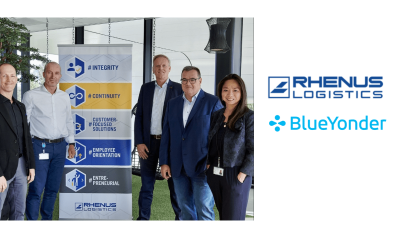
Rhenus Warehousing Solutions has deepened its collaboration with Blue Yonder to drive the global standardisation of its IT systems, reinforcing its digital transformation strategy. As a leading warehousing and fulfilment service provider with operations across 180 sites in 20 countries, Rhenus aims to establish a uniform and efficient IT framework to enhance customer experience worldwide. The partnership will see Rhenus implement Blue Yonder Warehouse Management on a global scale. This interoperable and configurable solution is designed to meet specific customer requirements efficiently while optimising resource allocation across different regions. By enabling in-house configuration of warehouse management modules, Rhenus will reduce its dependence on new software developments, ensuring a more agile and cost-effective operation. Ronny Sassen, Chief Executive Officer of Rhenus Warehousing Solutions, highlighted the significance of the collaboration: "With the global expansion of Blue Yonder, we are creating a robust and flexible foundation for the future of our warehouse management. This not only strengthens our competitiveness but also enables us to respond to the individual needs of our customers worldwide." Beyond system implementation, the partnership will also establish a Blue Yonder competence centre, focused on developing preconfigured modules tailored for various industries. This initiative aims to streamline the implementation process, facilitating the global roll-out of Blue Yonder’s warehouse management solutions and enhancing supply chain efficiencies. Markus Sandbrink, Chief Information Officer of the Rhenus Group, emphasised the long-term strategic benefits: "With Blue Yonder, we are building an IT infrastructure that optimises our global business processes while ensuring the security and performance of our systems. By harmonising this infrastructure, we are strengthening cooperation between all our sites and offering our business partners a reliable basis for their core business." Echoing this sentiment, Nafe Hagen, General Manager, Global Logistics Service Provider and Edge Technologies at Blue Yonder, stated: "Expanding our relationship with Rhenus to include warehousing is an important step in jointly developing innovative and scalable supply chain solutions. Our technology will support Rhenus' security and performance needs as they look to deploy our solutions globally." The initial phase of the collaboration has already demonstrated the potential of a standardised and flexible warehouse management solution. As Rhenus continues its global expansion, the strengthened partnership with Blue Yonder underscores its commitment to digital transformation and operational excellence.
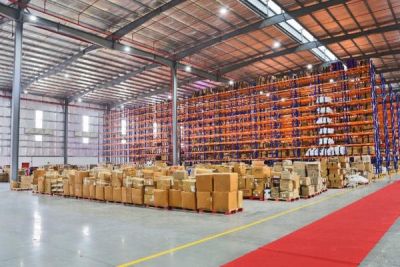
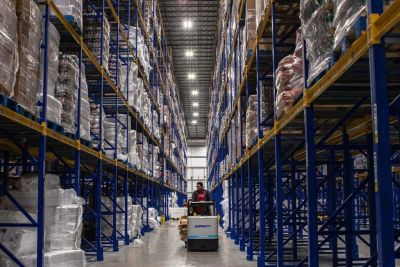
Emiza has inaugurated its 27th multi-client fulfilment centre, its 110,000-square-foot facility in Farrukhnagar, Haryana, enhancing its capacity to meet the growing demands of the e-commerce and retail sectors, mainly the Northern India region. This is its fifth warehouse in the Delhi/NCR region. With this, the company expands its total warehousing footprint to over 50 lakh cubic feet across 14 cities and 13 states. Over the last two years, Emiza's warehousing space has grown by 150 percent, indicating that the firm is strategically scaling its operations to meet the changing demands of India's logistics ecosystem," this release states. The Farrukhnagar facility aims to cater to up to 18 lakh D2C orders every month, thereby greatly enhancing Emiza's logistics delivery speed, reliability, and efficiency. Located in a strategic logistics hub, the warehouse facilitates efficient last-mile services and timely order fulfilment for businesses located in the region. The expansion is also expected to create more than 300 jobs, adding to the company's contribution to local employment. Emiza has generated 2,500 jobs across its network so far and is investing Rs 12 crore in the adoption of cutting-edge technology such as robotics, machine learning, and blockchain to increase operational efficiency and enhance customer experiences. Ajay Rao, Founder of Emiza, said, "Our new facility at Farrukhnagar is more than just an expansion; it is a critical step toward strengthening our ability to meet the surging demand from the e-commerce and retail sectors across North India. With cutting-edge technology and the capacity to handle 1.8 lakh orders per month, this facility will be designed to deliver faster, more reliable, and highly efficient logistics solutions to our clients. This facility will also fulfill bulk shipments to quick commerce regional distribution centers (DCs) on behalf of our brands." According to Jitendra Kumar, Co-founder of Emiza: "The new facility is a result of our long-term vision to scale up without compromising on safety or sustainability. With automation-driven processes and related sustainability initiatives, we are offering smarter, more efficient, and eco-friendlier logistics solutions to our partners. The warehouse also presents new opportunities for the communities we serve, driving both operational and local economic growth." The multi-tier long-span shelving racks have more than 17,000 pallet positions with a storage capacity of over 900,000 cubic feet. Equipped with 20 dock levellers, FM2 flooring, and a conveyor system to ease the flow of materials. To ensure high standards of safety, critical systems including hydrants, sprinklers, electrical dock doors, and 24x7 CCTV surveillance are in place

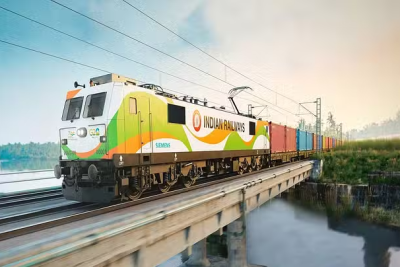
iWare Supplychain Services, a part of the Inter India Group, is accelerating its operations with notable infrastructure expansions to strengthen India’s logistics network. The company recently added a 47,000-sq-ft warehouse in Kutch, Gujarat, to serve its client Adani Wilmar Ltd. Additionally, a new Clearing and Forwarding (C&F) facility is being established in Kota, Rajasthan, to enhance its service reach across northern India. To further support its fleet operations, iWare has launched a state-of-the-art consumer fuel pump and truck workshop on Samakhiyali, Kutch, optimising fuel management and vehicle maintenance. The developments position iWare as significant contributor to India’s logistics modernisation efforts. A cornerstone of iWare logistics operations is its integration with Indian Railways’ BCN (Break Cargo Network) rake logistics services. The company operates over 100 BCN rakes annually, transporting approximately 220,000 metric tonnes of goods each year. This collaboration allows iWare to offer cost-effective solutions for the long-distance movement of bulk goods while reducing road congestion and emissions, supporting the government’s vision for multimodal transportation. To complement its rail operations, iWare extensive road fleet incudes 500 company-owned trucks and access to an additional 10,000 vehicles through partnerships. The company offers flexible transport solutions, such as Full Truck Load (FTL), Half Truck Load (HTL), and containerised options, catering to diverse business needs. In line with India’s push for green logistics, iWare has integrated several eco-friendly initiatives across its operations. These include the use of energy-efficient warehouse systems, optimised transportation routes, and the adoption of CNG-powered trucks. By reducing its carbon footprint, iWare is actively contributing to the logistics sector’s sustainability goals while meeting client demands for environmentally responsible practices. “Our expansions and sustainable practices reflect our commitment to creating a modern, efficient logistics ecosystem in India,” said Mr Krishna Tanwar, Group Promoter and Managing Director of Inter India Group. “We aim to support national goals by aligning our operations with policies that prioritise efficiency, connectivity, and environmental responsibility.” Beyond infrastructure, iWare is addressing regional connectivity gaps by extending its services to Tier II and Tier III cities. This initiative enables small and medium-sized enterprises (SMEs) in underserved regions to access reliable logistics solutions, empowering them to scale operations and compete more effectively in the market. This move supports the government’s objective of fostering inclusive economic development across India. Through strategic investments in infrastructure and technology, iWare is streamlining cargo handling and improving multimodal transport efficiency. These advancements are helping businesses reduce transit times and optimise supply chain costs, meeting the growing demands of a dynamic and competitive logistics sector.
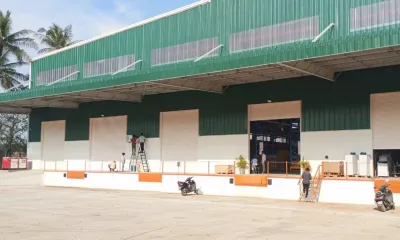
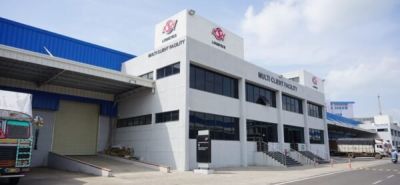
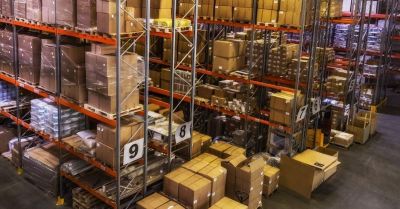
KSH Integrated Logistics has expanded its footprint with the launch of a new 40,000-square-foot multi-client warehouse in Bommasandra, Bangalore. This state-of-the-art facility is designed to cater to the growing demand for Grade A warehousing solutions and to support clients across diverse sectors, including automotive, consumer durables, FMCG, and e-commerce. The Bommasandra warehouse adopts a highly flexible plug-and-play model, enabling clients to easily scale and adjust their operations as needed. It incorporates advanced warehousing systems like pallet-in-pallet-out, pallet-in-box-out, and box-in-piece-out configurations. These systems ensure efficient inventory management, streamlined order fulfillment, and provide value-added services tailored to meet the specific requirements of each client. A key feature of this warehouse is its heavy-duty racking capacity, which is expandable from 2,500 to 5,000 pallets. This flexibility allows for optimised storage solutions and enhances overall operational efficiency, accommodating various types of goods, including large and heavy items. KSH Integrated Logistics has also equipped the facility with a robust Warehouse Management System (WMS) and Transport Management System (TMS). These advanced systems enable real-time tracking and management of inventory and shipments, giving clients full visibility and control over their supply chain processes. By leveraging these technologies, KSH ensures efficient, transparent, and reliable logistics services. This new facility is part of KSH’s broader plan to scale up its warehousing capacity to 2 million square feet by 2026. The Bommasandra warehouse marks a significant step in the company’s expansion strategy, positioning it as a key player in India’s growing logistics landscape while continuing to deliver customised, high-quality solutions that enhance customer satisfaction.
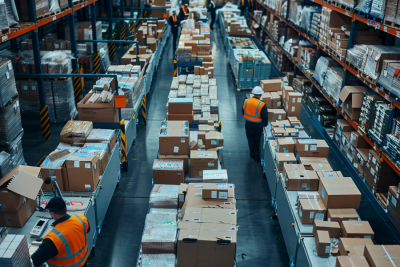
The industrial and warehousing sector in India has experienced remarkable growth in 2024, with a total leasing of 20.2 million sq ft recorded from January to September, according to a report by Colliers India. This figure represents a 17% increase year-on-year, underscoring the sustained momentum in the sector across the country’s top five cities. Notably, the quarterly average space uptake has grown from 5.7 million sq ft in 2021 to 6.7 million sq ft in 2024, highlighting a consistent rise in demand. Among the leading regions, Delhi NCR and Chennai emerged as the frontrunners, collectively accounting for 53% of the total leasing activity during the first nine months of 2024. Third-Party Logistics (3PL) players continued to dominate demand, holding a significant 35% share of the overall leasing. The Engineering and Fast-Moving Consumer Goods (FMCG) sectors also contributed meaningfully to this upward trend. At a micro market level, Bhiwandi in Mumbai recorded the highest activity with 3.7 million sq ft leased in 2024, followed closely by Oragadam in Chennai and Chakan-Talegaon in Pune, both of which saw leasing exceed 2 million sq ft. In the third quarter of 2024 alone, the industrial and warehousing demand reached an impressive 7.3 million sq ft, marking an 18% increase compared to the same period in 2023. Delhi NCR led this surge with 2.3 million sq ft of space leased, primarily driven by significant demand in the Bhaproda and Kulana micro markets. Commenting on this trend, Vijay Ganesh, Managing Director of Industrial & Logistics Services at Colliers India, stated, “On a quarterly basis, Q3 2024 saw an increase in industrial and warehousing demand across the top five cities, indicating a robust recovery in the sector. The large uptake of space in micro markets reflects the growing need for efficient logistics solutions.” The report also revealed that while 3PL players maintained their dominant position with 35% of the leasing share during January to September, the Engineering and FMCG sectors collectively accounted for 32% of the demand. The electronics sector, in particular, witnessed heightened traction, doubling its leasing activity in the first three quarters of 2024 compared to the corresponding period in 2023. The rise of quick commerce (Q-commerce) players has further catalysed the demand for larger hub warehouses in major urban centres, especially in anticipation of the festive season. Vimal Nadar, Senior Director and Head of Research at Colliers India, emphasized the positive outlook for the sector, saying, “Given the healthy demand across major cities and supportive government policies, we anticipate 2024 could close with record leasing activity of around 25 to 30 million sq ft. The improving logistics efficiencies, capacity augmentation, and India's enhanced credibility as a global manufacturing hub will sustain the growth momentum in the industrial and warehousing sector.” In terms of supply, the first three quarters of 2024 saw a significant 29% year-on-year increase, with 21.6 million sq ft of new developments coming online. Delhi NCR again led the pack, contributing 35% of the overall completions with 7.6 million sq ft of new space. Even on a quarterly basis, new supply remained robust in Q3 2024, with around 7.2 million sq ft of completions across the top five cities. Amidst favorable demand-supply dynamics, overall vacancy levels at the end of Q3 2024 remained stable at around 12-13%, indicating a healthy balance in the market. Moreover, large deals (greater than 200,000 sq ft) accounted for approximately 40% of the overall demand during the first nine months of 2024. While the majority of these larger deals were dominated by 3PL players, both the Engineering and FMCG sectors also participated significantly in the larger-sized deals. At the city level, the industrial and warehousing space uptake in Delhi NCR was notably driven by large-sized deals, a marked departure from 2023, where leasing activity was predominantly composed of smaller transactions. In fact, nearly 50% of the deals in the first nine months of 2024 were large-sized in Delhi NCR, illustrating a shift in market dynamics.
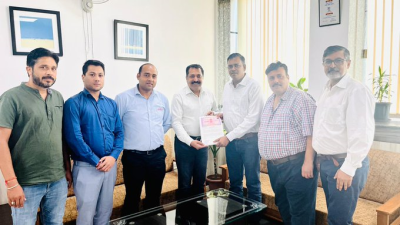
CONCOR Multimodal Logistics Park (MMLP) in Kathuwas has signed a leasing agreement with Havells India, a prominent industrial player, for two warehouses covering a total area of 8,565 square meters. The lease will be effective from October 15, 2024, to September 14, 2025. This partnership underscores the growing significance of MMLPs in enhancing logistics efficiency and meeting the warehousing needs of leading industries, supporting the demand for streamlined supply chain solutions across the country.

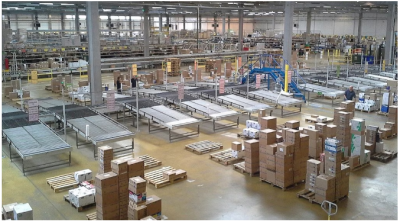
India’s Grade A warehousing market is on the cusp of a remarkable transformation, with leasing activities projected to surpass 45 million square feet in 2024, according to a joint report by CREDAI and CRE Matrix. The demand for premium warehousing spaces is driven by the burgeoning logistics and industrial sectors, reflecting a robust economic trajectory. In the first half of 2024 alone, approximately 20.3 million square feet were leased, outpacing new supply, which stood at 14.8 million square feet. This dynamic led to a record low vacancy rate of just 8.2%, a clear indicator of the sector's vitality. The majority of this demand is concentrated in key regions such as the Mumbai Metropolitan Region (MMR), Pune, and the National Capital Region (NCR), which collectively account for an impressive 64% of total leasing activity. Mr. Boman Irani, President of CREDAI, commented on the evolving landscape of the Indian property market, emphasising that specialised segments like warehousing are becoming essential components of the economy alongside traditional sectors. As investments in manufacturing ramp up and e-commerce continues to flourish, particularly in tier-I and tier-II cities, the momentum in demand is anticipated to sustain well into the fourth quarter of 2024. Highlighting India’s strategic advantages, Mr. Abhishek Kiran Gupta, Co-founder and CEO of CRE Matrix, noted that manufacturers are increasingly relocating from China or expanding their operations in India, driven by competitive factors such as lower labour costs and technological advancements. The report predicts that the total stock of Grade A warehousing in India could reach around 300 million square feet by the end of 2025. Regional trends show Bengaluru experiencing a significant 25% increase in Grade A supply between the first and second quarters of 2024, while Pune is witnessing exceptionally high demand, accounting for 48% of the total demand in the MMR-Pune region, despite facing a supply crunch. With a demand-to-supply ratio of 2:1 in Pune, there is considerable potential for new developments in the forthcoming quarters.
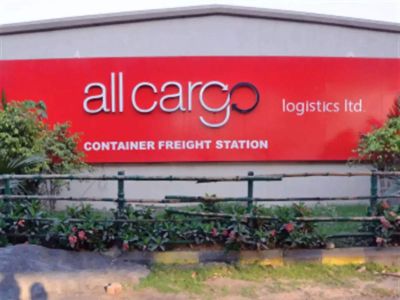
ECU Worldwide Korea, a joint venture of Allcargo Logistics, has launched a new subsidiary, Allcargo ULS Terminals, to strengthen its warehousing presence in South Korea. This move marks a significant step for Allcargo in expanding its logistics footprint in Asia. In a recent exchange filing, Allcargo Logistics announced the incorporation of Allcargo ULS Terminals, aimed at owning and leasing warehouse spaces in Korea. The acquisition of these warehouses is pending approval from the Busan port authorities, a crucial step for operational commencement. Allcargo will hold a 49% stake in the newly formed entity, highlighting its strategic investment in the Korean market, which aligns with its vision to enhance global supply chain efficiencies. ECU Worldwide, recognised as the leader in Less-than-Container Load (LCL) consolidation, facilitates cargo movement across 180 countries through more than 2,400 direct trade lanes and offers door-to-door delivery services in over 50 markets. The establishment of Allcargo ULS Terminals is expected to bolster ECU Worldwide's position by providing essential warehousing support, thus enabling smoother and more efficient cargo handling operations. The move underscores Allcargo's commitment to expanding its service offerings and creating value for its global clientele, enhancing its role in the global logistics landscape.
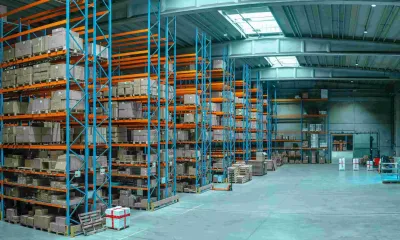
Warehouse transactions across eight primary markets in India reached 23 million square feet in the first half of this year, driven by growing demand from the manufacturing sector, according to a report by Knight Frank India. Nearly 55% of these transactions were in ‘Grade A’ spaces, with Mumbai leading the way, accounting for 20% of the total warehousing volume. “Demand from the manufacturing sector has compensated for the lull in e-commerce and helped broad-base the market’s occupier profile,” said Shishir Baijal, Chairman and Managing Director of Knight Frank India. Despite challenges in the availability of viable land for warehousing development, high institutional interest is expected to support the development of high-quality supply, Baijal added. Delhi-NCR was the second most active market, representing 17% of the total warehousing area transacted, driven by third-party logistics and the manufacturing sectors. Pune emerged as the most expensive warehousing rental market, with average rents at Rs 26 per sq ft per month, followed by Kolkata at Rs 23.8 and Mumbai at Rs 23.6. Pune and Chennai saw a 4% increase in rentals, with NCR and Kolkata witnessing a 3% year-on-year growth. “India’s robust fiscal position and resilient economy are well-positioned to sustain and enhance the warehousing market’s stability and growth potential for the remainder of fiscal year 2024,” Baijal noted. The decentralisation of manufacturing capacity has significantly benefited India, with global giants like Apple, Samsung, Foxconn, and TSMC expanding their manufacturing bases in the country.
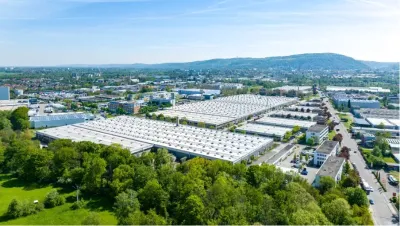
Singapore-based Elite Partners Capital has acquired Automotive Giant’s global logistics centre in Germany through its flagship Elite Logistics Fund II, a pan-European logistics fund supported by a sovereign wealth fund and a network of family offices across Asia. This acquisition follows Elite's successful divestment of the first installment of its Logistic Fund Series (Elite Logistics Fund I) to Blackstone in 2021, achieving an attractive IRR of over 30 percent. Located within Ettlingen West’s industrial zone, the large-scale multi-user logistics park features extensive transportation infrastructure, including direct access to the A5, A8, and A65 motorways, proximity to the Port of Karlsruhe on the Rhine waterway, and close links to major international airports in Frankfurt and Stuttgart. The site also benefits from local bus services and suburban railway access, ensuring a skilled workforce for the park's warehouses and offices. Spanning 180,000 sqm, the logistics park offers a flexible layout conducive to third-party reuse. Currently, over 85 percent of its net lettable area is leased long-term to an automotive giant as their global logistics hub. Elite Partners Capital plans to collaborate closely with the tenant to enhance the property’s environmental, social, and governance (ESG) specifications, aiming for DGNB Gold Certification. The remaining lettable areas are occupied by diverse engineering firms, supporting regional industrial growth. Victor Song, co-founder and CEO of Elite Partners Capital, emphasised their strategic approach to acquiring quality assets in key European markets amidst stabilising interest rates. The transaction, facilitated by CBRE’s Capital Markets team in Germany, involved advisory support from Taylor Wessing, Alvarez and Marsal, and TA Europe on behalf of Elite Partners Capital. This acquisition underscores Elite Partners Capital's commitment to leveraging strategic opportunities in the European logistics sector, backed by strong financial fundamentals and sustainable growth strategies.
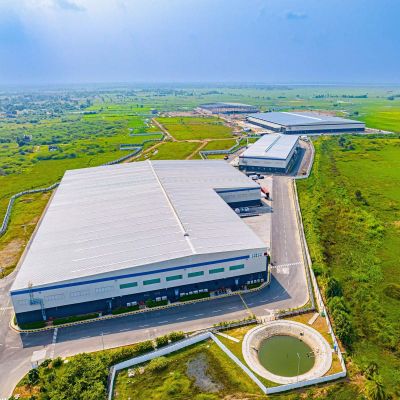
ESR Group has acquired an additional 27 acres of land to expand its existing industrial and logistics park at Oragadam in Chennai. This expansion increases the ESR Oragadam Industrial and Logistics Park to a total of 107 acres, with a development potential of 2.5 million square feet. In a statement released on Monday, the company highlighted its investment of Rs 276 crore (over USD 33 million) as a testament to ESR's commitment to enhancing Tamil Nadu's industrial landscape. ESR Oragadam Industrial & Logistics Park is strategically positioned in the Oragadam-Sriperumbudur cluster, a region experiencing significant demand for Grade A industrial assets. This expansion builds on the success of the park's initial two phases, which have already attracted several high-quality tenants, including electromechanical solutions provider CUBIC, automotive research and development firm A2Mac1, and specialty labelling company CCL. Abhijit Malkani, CEO of ESR India, emphasised the importance of this expansion, stating, "ESR's growth in Oragadam is a pivotal step in our support for Tamil Nadu's ambition to become a major industrial hub. This project goes beyond just constructing Grade A industrial buildings." Malkani elaborated that by upgrading the supply chain with modern infrastructure, ESR Group is enabling a new era of advanced manufacturing and logistics for both customers and communities. "We are creating an ecosystem that prioritises innovation and environmental responsibility. Integrating green building practices and sustainable infrastructure into our design allows businesses to operate efficiently while minimising their environmental impact," he said. This expansion is poised to reinforce Tamil Nadu's position as a burgeoning industrial powerhouse, furthering ESR Group's mission to provide state-of-the-art facilities and sustainable solutions in the logistics and manufacturing sectors.
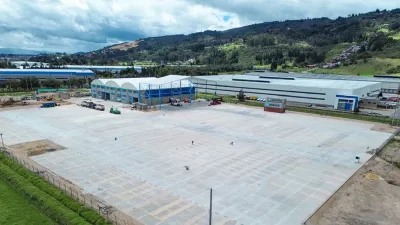
Maersk has strengthened its foothold in Colombia by inaugurating a state-of-the-art container logistics centre in the Tocancipa industrial zone, located 47 kilometers north of Bogota. This 44,000 sq.m. facility promises to enhance supply chain reliability, reduce additional port and transport costs, and eliminate customer waiting times by ensuring the availability of empty containers, thereby optimising operational efficiency and demand responsiveness. The logistics centre features a 3,378 sq.m. depot, a 23,000 sq.m. container storage area, and a 651 sq.m. refrigerated container storage area with connectivity for 50 containers. It has the capacity to handle up to 1,600 containers and is equipped with a depot management system. Services offered include container unloading and loading, cargo handling, full container storage, and on-site reach stackers. Sustainable practices, such as the reuse of excavated material during construction, along with LED and solar perimeter lighting, underscore Maersk's commitment to environmental responsibility. Additional services at the centre include empty and full container storage, consolidation and deconsolidation, maintenance, repair, preparation, and inspection of containers, as well as the return and movement of containers. This extensive range of services aims to provide customers with greater logistical flexibility. Efrain Osorio, Managing Director for Central America, Andean, and the Caribbean at Maersk, highlighted the innovation and infrastructural excellence of the new centre, stating, "This is an innovative service for the Colombian market due to its level of infrastructure and service, which will allow our customers in the country greater logistical flexibility. Colombia remains a high-growth country with increasing import demand for consumer products, complemented by steady exports of refrigerated fruits and vegetables, food products, textiles, and consumer goods." Maersk continues to invest in expanding its logistics capabilities in the region, combining its ocean services with integrated logistics solutions such as warehousing, logistics centres, depots, and value-added services to support the entire supply chain.
Warehouse transactions across eight primary markets in India reached 23 million square feet in the first half of this year, driven by growing demand from the manufacturing sector, according to a report by Knight Frank India. Nearly 55% of these transactions were in ‘Grade A’ spaces, with Mumbai leading the way, accounting for 20% of the total warehousing volume. “Demand from the manufacturing sector has compensated for the lull in e-commerce and helped broad-base the market’s occupier profile,” said Shishir Baijal, Chairman and Managing Director of Knight Frank India. Despite challenges in the availability of viable land for warehousing development, high institutional interest is expected to support the development of high-quality supply, Baijal added. Delhi-NCR was the second most active market, representing 17% of the total warehousing area transacted, driven by third-party logistics and the manufacturing sectors. Pune emerged as the most expensive warehousing rental market, with average rents at Rs 26 per sq ft per month, followed by Kolkata at Rs 23.8 and Mumbai at Rs 23.6. Pune and Chennai saw a 4% increase in rentals, with NCR and Kolkata witnessing a 3% year-on-year growth. “India’s robust fiscal position and resilient economy are well-positioned to sustain and enhance the warehousing market’s stability and growth potential for the remainder of fiscal year 2024,” Baijal noted. The decentralisation of manufacturing capacity has significantly benefited India, with global giants like Apple, Samsung, Foxconn, and TSMC expanding their manufacturing bases in the country.
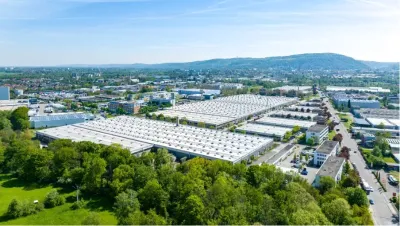
Singapore-based Elite Partners Capital has acquired Automotive Giant’s global logistics centre in Germany through its flagship Elite Logistics Fund II, a pan-European logistics fund supported by a sovereign wealth fund and a network of family offices across Asia. This acquisition follows Elite's successful divestment of the first installment of its Logistic Fund Series (Elite Logistics Fund I) to Blackstone in 2021, achieving an attractive IRR of over 30 percent. Located within Ettlingen West’s industrial zone, the large-scale multi-user logistics park features extensive transportation infrastructure, including direct access to the A5, A8, and A65 motorways, proximity to the Port of Karlsruhe on the Rhine waterway, and close links to major international airports in Frankfurt and Stuttgart. The site also benefits from local bus services and suburban railway access, ensuring a skilled workforce for the park's warehouses and offices. Spanning 180,000 sqm, the logistics park offers a flexible layout conducive to third-party reuse. Currently, over 85 percent of its net lettable area is leased long-term to an automotive giant as their global logistics hub. Elite Partners Capital plans to collaborate closely with the tenant to enhance the property’s environmental, social, and governance (ESG) specifications, aiming for DGNB Gold Certification. The remaining lettable areas are occupied by diverse engineering firms, supporting regional industrial growth. Victor Song, co-founder and CEO of Elite Partners Capital, emphasised their strategic approach to acquiring quality assets in key European markets amidst stabilising interest rates. The transaction, facilitated by CBRE’s Capital Markets team in Germany, involved advisory support from Taylor Wessing, Alvarez and Marsal, and TA Europe on behalf of Elite Partners Capital. This acquisition underscores Elite Partners Capital's commitment to leveraging strategic opportunities in the European logistics sector, backed by strong financial fundamentals and sustainable growth strategies.
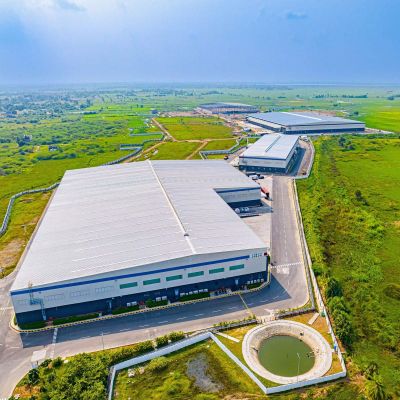
ESR Group has acquired an additional 27 acres of land to expand its existing industrial and logistics park at Oragadam in Chennai. This expansion increases the ESR Oragadam Industrial and Logistics Park to a total of 107 acres, with a development potential of 2.5 million square feet. In a statement released on Monday, the company highlighted its investment of Rs 276 crore (over USD 33 million) as a testament to ESR's commitment to enhancing Tamil Nadu's industrial landscape. ESR Oragadam Industrial & Logistics Park is strategically positioned in the Oragadam-Sriperumbudur cluster, a region experiencing significant demand for Grade A industrial assets. This expansion builds on the success of the park's initial two phases, which have already attracted several high-quality tenants, including electromechanical solutions provider CUBIC, automotive research and development firm A2Mac1, and specialty labelling company CCL. Abhijit Malkani, CEO of ESR India, emphasised the importance of this expansion, stating, "ESR's growth in Oragadam is a pivotal step in our support for Tamil Nadu's ambition to become a major industrial hub. This project goes beyond just constructing Grade A industrial buildings." Malkani elaborated that by upgrading the supply chain with modern infrastructure, ESR Group is enabling a new era of advanced manufacturing and logistics for both customers and communities. "We are creating an ecosystem that prioritises innovation and environmental responsibility. Integrating green building practices and sustainable infrastructure into our design allows businesses to operate efficiently while minimising their environmental impact," he said. This expansion is poised to reinforce Tamil Nadu's position as a burgeoning industrial powerhouse, furthering ESR Group's mission to provide state-of-the-art facilities and sustainable solutions in the logistics and manufacturing sectors.
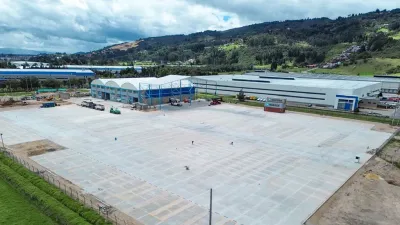
Maersk has strengthened its foothold in Colombia by inaugurating a state-of-the-art container logistics centre in the Tocancipa industrial zone, located 47 kilometers north of Bogota. This 44,000 sq.m. facility promises to enhance supply chain reliability, reduce additional port and transport costs, and eliminate customer waiting times by ensuring the availability of empty containers, thereby optimising operational efficiency and demand responsiveness. The logistics centre features a 3,378 sq.m. depot, a 23,000 sq.m. container storage area, and a 651 sq.m. refrigerated container storage area with connectivity for 50 containers. It has the capacity to handle up to 1,600 containers and is equipped with a depot management system. Services offered include container unloading and loading, cargo handling, full container storage, and on-site reach stackers. Sustainable practices, such as the reuse of excavated material during construction, along with LED and solar perimeter lighting, underscore Maersk's commitment to environmental responsibility. Additional services at the centre include empty and full container storage, consolidation and deconsolidation, maintenance, repair, preparation, and inspection of containers, as well as the return and movement of containers. This extensive range of services aims to provide customers with greater logistical flexibility. Efrain Osorio, Managing Director for Central America, Andean, and the Caribbean at Maersk, highlighted the innovation and infrastructural excellence of the new centre, stating, "This is an innovative service for the Colombian market due to its level of infrastructure and service, which will allow our customers in the country greater logistical flexibility. Colombia remains a high-growth country with increasing import demand for consumer products, complemented by steady exports of refrigerated fruits and vegetables, food products, textiles, and consumer goods." Maersk continues to invest in expanding its logistics capabilities in the region, combining its ocean services with integrated logistics solutions such as warehousing, logistics centres, depots, and value-added services to support the entire supply chain.
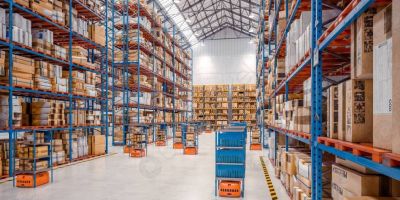
The year 2021 saw leasing of about 22 million sq feet across warehousing and industrial facilities in the top five cities, steered by robust warehousing demand from the e-commerce segment and strong production growth. Demand for high-quality warehousing space was steered by third-party logistics (3PL) players with a 33 per cent share, followed by e-commerce companies with a share of 29 per cent in total leasing. During the year, Delhi-NCR continues to lead industrial and warehousing demand with a share of 29%, followed by Pune and Mumbai at 21 per cent and 20 per cent each respectively. The majority of the space off-take was for warehouses, followed by industrial sheds. “Robust leasing momentum was witnessed in 2021 irrespective of the fact that the COVID-19 situation continues to evolve. Supply introduction in most markets is witnessing a strong revival in spite of material price escalation continuing to be a challenge. The Grade A absorption across key cities stood at 22 million sq ft with e-commerce and 3PL sectors once again dominating the space uptake. We are witnessing industrial demand pick up across cities such as Chennai, Pune and Delhi-NCR. We are also witnessing active leasing enquiries in emerging tier II markets on account of the need for last-mile delivery for customers, said Shyam Arumugam, Managing Director - Industrial and Logistics Services, Colliers India. “Given the government’s push for the adoption of clean mobility and successful roll out of PLI schemes across key manufacturing sectors we anticipate big momentum in this space which shall contribute to demand for space. In the year 2022, we would continue to see robust leasing, should commit deliveries of space to happen on time from developers.” Total Grade A industrial and warehousing supply during the year rose 8 per cent to 24 million sq feet, led by higher building completions in Delhi-NCR and Chennai. Pan-India Grade A vacancy dropped over six months, standing at 11.5 per cent from 12.2 per cent in June 2021. This was led by lower-than expected new supply, and robust leasing in Grade A properties. “Occupiers are preferring Grade A properties with good eaves height and compliances. Almost 66 per cent of total leasing was witnessed across Grade A industrial and warehousing facilities indicating increased inclination for high-grade structures. In-city warehousing, smaller fulfilment centers are high in demand in top metro cities as delivery timelines become shorter from same-day delivery to a few minutes’ delivery for essentials,” said Vimal Nadar, Senior Director - Research, Colliers India. E-commerce demand share at 29%; grocery e-commerce players taking up spaces E-commerce companies leased 6.6 million sq feet of warehousing space during 2021, accounting for 29 per cent share. The share was led by the large spaces that e-commerce companies typically take up for their fulfilment centers. For instance, during 2021, the average deal size of an e-commerce company was the highest, followed by 3PLs. Interestingly, about 14 per cent of the e-commerce deals were from pure-play grocery/food retailing companies, led by higher demand for online grocery across the country. Such companies are also taking up space for in-city warehousing- closer to demand hubs as they focus on 30-minutes deliveries in large cities. Delhi-NCR continues to be market leader in industrial demand Delhi-NCR led leasing activity with total leasing of 6.5 million sq feet during 2021. Large deals in the city were led by a combination of spaces leased by 3PL players and e-commerce companies. In NCR, NH8 cluster was the most preferred cluster for industrial space during 2021. Pune came in second in terms of leasing and accounted for 21 per cent of the pan-India leasing. Demand here was led by automobile companies, followed by e-commerce companies. This year witnessed several new entrants in the automobile space, who preferred the Chakan-Talegaon cluster for the facilities.
Driven by the mixture of sturdy progress in e-commerce and manufacturing sectors in addition to rising demand in tier I and II Indian cities, industrial and warehousing area absorption is predicted to develop 83% to 47.7 million sq ft in 2021, mentioned property guide Savills India. The 3PL and e-commerce sectors continued to drive warehousing demand accounting for 60% of whole absorption in 2020, adopted by the manufacturing sector at 24%. The rising numbers of corporations in these sectors and the large Indian consumption market have whipped up the funding prospects of India’s warehouse sector. In the 12 months passed by, the commercial and warehousing market witnessed investments in extra of $1 billion. Among the most important cities in India, the National Capital Region (NCR) led with the best absorption in 2020 at 25% adopted by Pune at 15%. Mumbai and Chennai noticed absorption at 13% every whereas Kolkata stood at 12%. The Tier II cities akin to Ludhiana, Lucknow, Coimbatore, Jaipur, Guwahati, Bhubaneswar, Nagpur and Patna witnessed round three million sq ft in 2020. These cities are prone to acquire additional momentum in 2021 with e-commerce and 3PL corporations capitalising on consumption-driven progress and pushing the demand for warehousing area. “Growing demand for cold chain, pharmaceutical warehouses as well as growth in e-commerce and organised retail are likely to drive warehousing demand in 2021. In addition, strong macro-economic fundamentals and government’s policy support in implementation will continue to fuel growth for the entire sub asset class of industrial and logistics,” mentioned Srinivas N, Managing Director, Industrial and Logistics, Savills India. On the availability aspect, Savills India expects a 113% improve in provide to 47.9 million sq ft in 2021. Despite building actions getting affected as a result of lockdown, the top-Eight cities of India witnessed a contemporary provide of 22.four million sq ft final 12 months. NCR accounted for 22% of the entire provide witnessed in 2020 adopted by Chennai at 20%, and Bangalore 12%. The general industrial and warehousing area inventory is predicted to extend by 21% at 278 million sq ft in 2021 as in comparison with 230 mn sq ft final 12 months. Industrial and logistics – changing market dynamicsPre-COVID-19 period 2019Lockdown period 2020Post-lockdown period 2021Supply41mn sq ft22 mn sq ft48 mn sq ftAbsorption36 mn sq ft26 mn sq ft48 mn sq ftStock205 mn sq ft230 mn sq ft278 mn sq ft Warehousing area vacancies have additionally decreased by 170 foundation factors from 10.2% in 2019 to 8.5% in 2020 and rental values remained steady in 2020 throughout the most important cities. “India is emerging as an alternate manufacturing investment destination. Foreign manufacturing companies are planning to shift their manufacturing base to India. This would lead to an increased demand for both ready high spec fitted out and custom-built industrial spaces across India particularly from growing sectors such as FMCG, energy, automobile, electronics, pharmaceutical, medical devices among others,” added Srinivas N. Going ahead, improved specs and robust compliance will set the tempo and result in the expansion of the commercial and allied sectors. Diverse funding alternatives and rising curiosity in creating infrastructure round Integrated Industrial Townships, highways, ports, inland waterways, Inland Container Depots (ICDs), and Free Trade & Warehousing Zones (FTWZs) will enhance the sector. Automation and manpower will steer disruptions within the years forward.

As part of the on-going strategic plan to expand its global footprint, APOC Aviation, the innovative leasing, trading, aircraft component and part-out specialist, has today announced the opening of its first facility outside Europe. The new APOC base in Singapore will hold stock of modern A320 family and B737 components, providing the local market with faster access to their stock of spares inventory. Karim Grinate, Vice President – Component Sales at APOC Aviation commented, “An Asia Pacific base means our stock is in place ready to serve the region as Asian operators get their fleets flying again. We believe that through regional deployment, operating in local languages and within the same time zone, we can deliver the fastest and most efficient service to our customers.” “Singapore is the ideal strategic trading position to allow us to maximise opportunities as they present themselves. But we are also looking closely at developments in China and Hong Kong as we consider another Asian warehouse location. In terms of regulations and the USM market, China in particular is working to match standards with Europe and the US,” added Grinate. “This presents us with a good opportunity to sell our newer aircraft parts across the region. A new US hub is also planned for the first quarter of 2021.” Grinate concluded, “The integration of our own proprietary software is complete, packages of our A320 and B737 spares components are on-site, and our local representatives are ready and waiting – so we can officially say that our Singapore facility is open for business. We invite local airlines and MROs to get in touch to discuss how APOC can support their business goals.”
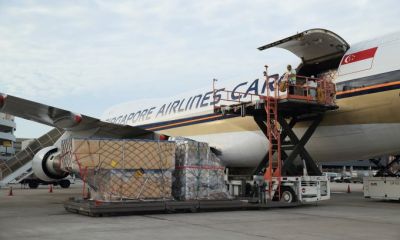
Singapore Changi Airport experienced a significant boost in air cargo volumes for the second quarter of 2024, handling 485,000 tonnes of airfreight from April to June. This represents a 16% increase compared to the same period last year. The growth is attributed to robust shipment flows between Singapore and major markets including the US and China. Changi Airport Group highlighted that the increase was seen across all cargo categories—exports, imports, and transhipments. The airport’s top five air cargo markets for the period were Australia, China, Hong Kong, India, and the United States. In the year-to-date, Changi Airport has processed a total of 960,000 tonnes of airfreight. The first quarter of 2024 also saw strong performance, with 475,000 tonnes handled, driven by high transhipment activity, particularly with China. Key sectors contributing to the cargo throughput include pharmaceuticals, perishables, e-commerce, and advanced materials like semiconductors. Notable airlines operating cargo flights at Changi include Spice Express, Tasman Cargo Airlines, Atlas Air, DHL Express, and Singapore Airlines, which collaborate on cargo operations. As of July 1, Changi Airport boasts 94 airlines operating over 6,900 weekly scheduled flights, linking Singapore to 158 cities across 50 countries and territories globally. This extensive network supports Changi’s role as a major international cargo hub. The airport’s continued growth in air cargo volumes underscores its importance as a critical logistics and transportation hub in the global supply chain.
AP Moller – Maersk is strengthening its operations in Bangladesh, where it has been serving the country and its exporters connect to the global market for almost three decades. Bangladesh has been one of the most important sourcing markets for the garments and apparel industry worldwide. The garment manufacturers exporting to global markets have significantly contributed towards building the country’s economy. Despite the impressive growth of garments exports from Bangladesh, the number of warehouses in Chattogram have not increased since 2012, with the sole exception of ISATL that became operational in 2018. Optimising utilisation of available capacity assisted to an extent, however it did not scale enough to meet the trade’s requirements. The logistics ecosystem and the Chittagong Port get stretched, particularly during the peak seasons. In 2021, a fallout of this structural challenge was felt by all the stakeholders involved in EXIM trade when the Container Freight Stations (CFSs) got clogged with cargo resulting in delayed clearance, stuffing and consequently dispatch of containers to the port. Delay in offloading cargo also led to longer truck waiting time, and delay in dispatch of containers to the port, consequently resulting in lack of overall productivity. These challenges have serious consequences on the overall economy of the country given the fact that the Chittagong Port handles in excess of 90 per cent of the total containerised trade to and from Bangladesh. Recognising these challenges, Maersk Bangladesh has partnered with Ispahani Summit Alliance Terminal Limited (ISATL) to build a 200,000 sq ft custom bonded warehouse. ISATL are pioneers in constructing and operating warehouses and CFS and operate four CFS within Chattogram and the River Terminal at Dhaka. Under the scope of this partnership, ISATL will construct a brand new custom bonded warehouse within the existing premises of the facility located at Pathortoli in Chattogram. The new warehouse will double the existing capacity at ISATL and add around 8 per cent additional space to the existing ecosystem at Chattogram. The construction of the new CFS has already commenced and is expected to be completed in a phased manner by the end of 2022. Bangladesh’s exporters and their overseas buyers will be able to start using the facility from July 2022, once the first phase of construction is completed. “Maersk’s commitment to connect and simplify our customers’ supply chains means that we look at long term solutions for problems such as the longstanding congestion within the ecosystem. We tackled the situation in 2021 by deploying an additional vessel for evacuating export loaded containers,” said Angshuman Mustafi, Managing Director, Maersk Bangladesh. “The solutions provided immediate relief to the ecosystem, but there was a need for a comprehensive solution to optimise ocean shipping, port handling and inland logistics that would benefit trade in the long term. By partnering with ISALT, we are establishing a facility that has the potential to partially decongest the system from the landside and streamline the flow of cargo in and out of Bangladesh.” Apart from adding capacity, the facility will offer several other benefits to Bangladesh’s exports. Amongst others, the new facility is being built by benchmarking international best practices when it comes to safety and other compliance guidelines. It will be modern multi-storeyed facility in Chattogram which will have storage at G+2 levels, thus making optimal use of available space to maximise the capacity. There will be an option to offer pallets for all operations, thereby improving the overall operational efficiency. Maersk will also offer customers Garment on Hanger facility, sorting, product audit, labelling, bar code and RFID scanning amongst others. “We are proud to partner with Maersk on this exciting long term project where ISATL’s extensive local experience combined with Maersk’s international best practices will allow us to create a truly world-class facility that will help raise the standards for the entire industry,” said Yasser Rizvi, Managing Director, ISATL.
Indian importers and exporters are grappling with significant cargo delays at Mundra Port, the country’s leading container trade hub. Local trade sources have voiced serious concerns about the worsening congestion at Mundra’s container terminals in recent weeks. "The terminals at Mundra now seem to be hugely congested, and the pendency has increased to levels affecting the normal movement of boxes between CFSs and terminals," stated the Container Freight Station Association Mundra in a complaint. The association added, "All the efforts put in by CFSs are not witnessing any improvement, but are rather finding that the situation is deteriorating further." A recent change in the process of issuing port entry permits for freight vehicles by the port authority has been identified as a major source of frustration. According to freight station owners, truckers are experiencing longer waits to move containers due to difficulties in securing entry permits promptly. "Vehicles are stranded on the road for hours together because of this. A corrective measure needs to be discussed with our members and worked out so as to ensure that movement continues without any hassles," explained the CFS association. The congestion has also frustrated container rail operators, as ICD (inland container depot) volumes constitute a significant portion of Mundra’s trade. The Association of Container Train Operators (ACTO) noted in a trade advisory, "There has been increased congestion at Mundra Port due to delays in effectively evacuating import containers in FIFO [first-in, first-out] sequence on time, despite trains being provided for clearance by container train operators [CTOs]." ACTO indicated that Indian Railways has restricted double-stack loading to expedite train evacuation from the port, resulting in additional ground rent charges for traders. Mundra, Adani Ports’ flagship entity, managed 7.4 million TEUs in the fiscal year 2023-24, marking a 15% increase over Nhava Sheva Port. With volumes rapidly expanding, the Adani Group is considering further investment to enhance capacity. "We continue to invest heavily in the business to drive growth, particularly in the logistics segment," stated Adani in a recent announcement.
Lufthansa Cargo has recently expanded its offerings, providing customers with new belly capacities on several attractive routes. Since the start of June, passengers and cargo alike can benefit from direct connections to various destinations, enhancing global connectivity and trade opportunities. Direct flights to North America, including routes from Frankfurt to Minneapolis (MSP) and Raleigh-Durham (RDU) with Lufthansa Airlines, are now available for booking. Additionally, from the Lufthansa Cargo hub in Munich, new connections to Seattle (SEA) three times a week, and daily capacity to Toronto (YYZ) and Vancouver (YVR) are being offered. Austrian Airlines has also introduced a new route, connecting Vienna with Los Angeles (LAX). Discover Airlines has expanded its services from Frankfurt to Halifax (YHZ) and Anchorage (ANC), further widening the reach of cargo transportation. Moreover, Lufthansa Cargo has introduced freighter capacity to Dubai World Central (DWC), providing customers with additional options for handling larger cargo items or special freight. This new service complements the existing belly service from Dubai International Airport (DXB) and offers enhanced flexibility and efficiency in cargo transportation. With a commitment to enhancing global connectivity and trade facilitation, Lufthansa Cargo continues to innovate and expand its service offerings. These new routes and increased capacities underscore Lufthansa Cargo's dedication to meeting the evolving needs of its customers in a rapidly changing global market.
In a momentous event today, PM Modi inaugurated a 77-kilometer-long section of the Western Dedicated Freight Corridor (WDFC), marking a significant milestone in India's ambitious infrastructure development efforts. The inauguration ceremony, held in the presence of key dignitaries and government officials, showcased the country's commitment to enhancing its transportation network. The Western Dedicated Freight Corridor is a game-changing project that aims to revolutionize India's freight transportation sector. The newly inaugurated 77-kilometer section connects key industrial regions, providing a dedicated pathway for the efficient movement of goods. With this achievement, India takes a major step towards reducing logistics costs, boosting manufacturing, and improving the overall economy. PM Modi, while addressing the audience, emphasized the importance of this project in promoting economic growth, generating employment, and reducing the carbon footprint. He noted, "The Western Dedicated Freight Corridor is a testament to India's vision for a modern and efficient transportation system. It will not only enhance our connectivity but also make us a global logistics hub." The event was attended by several Union Ministers and top officials from the Ministry of Railways, underscoring the government's commitment to accelerating infrastructure development in the country.