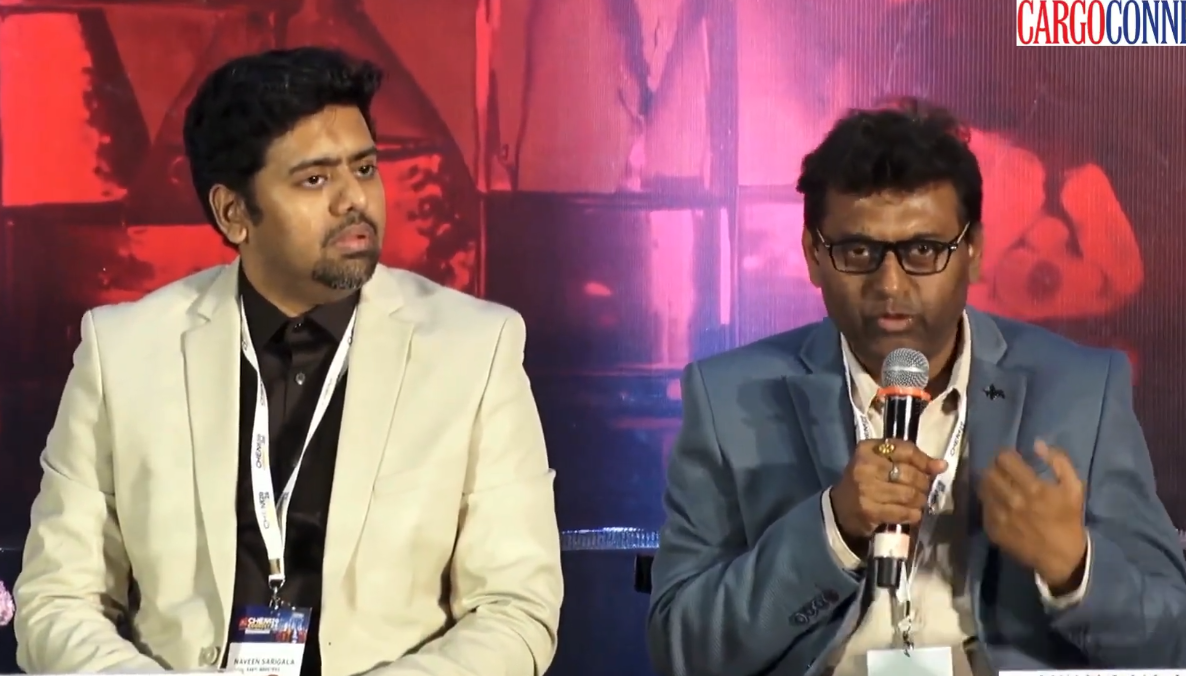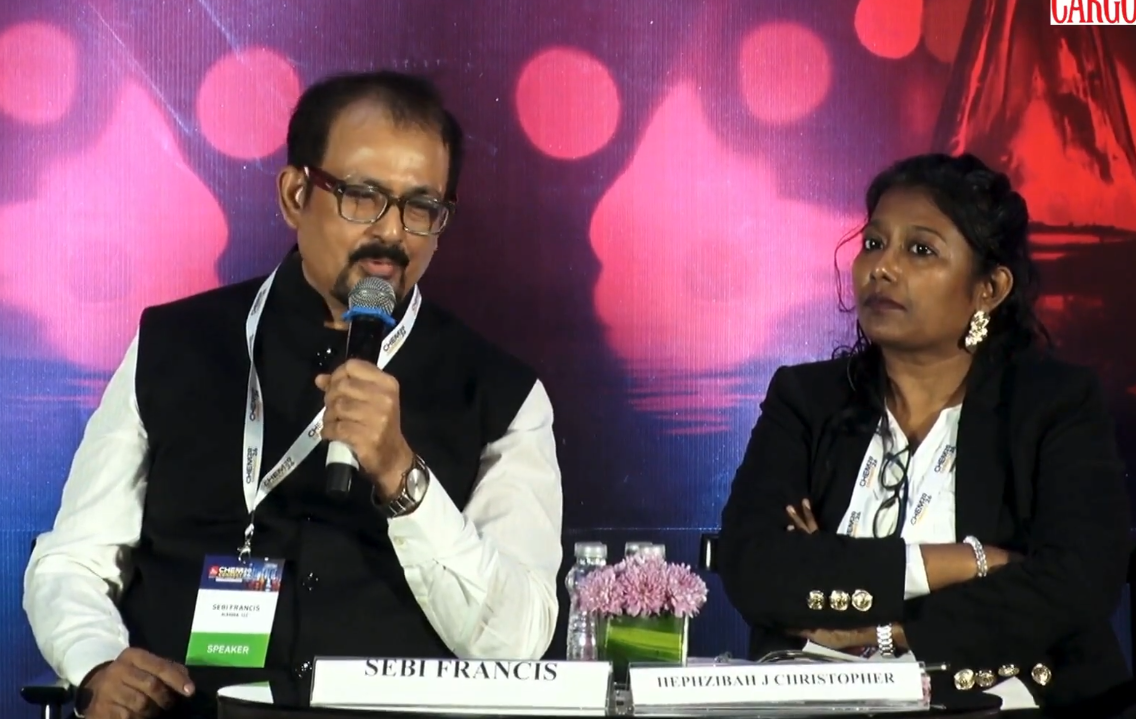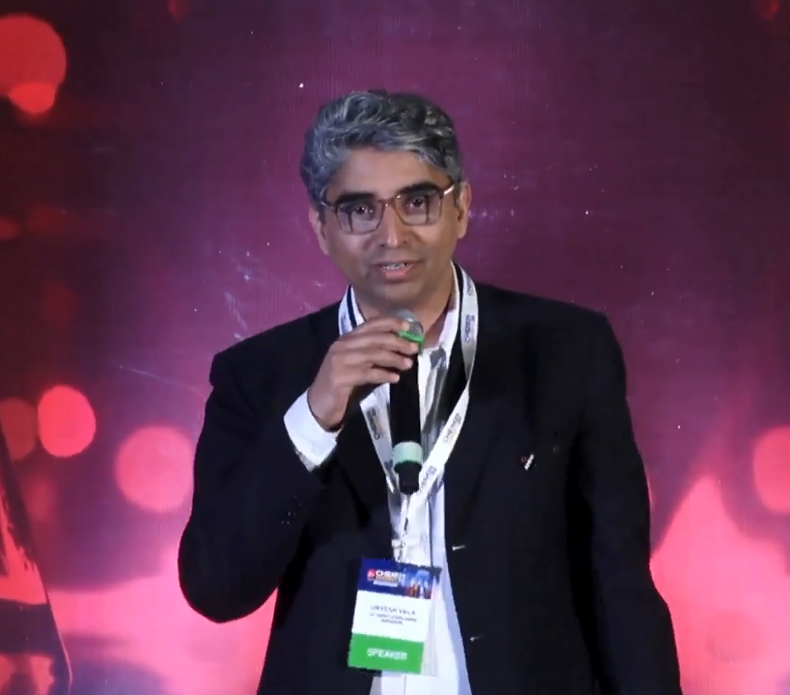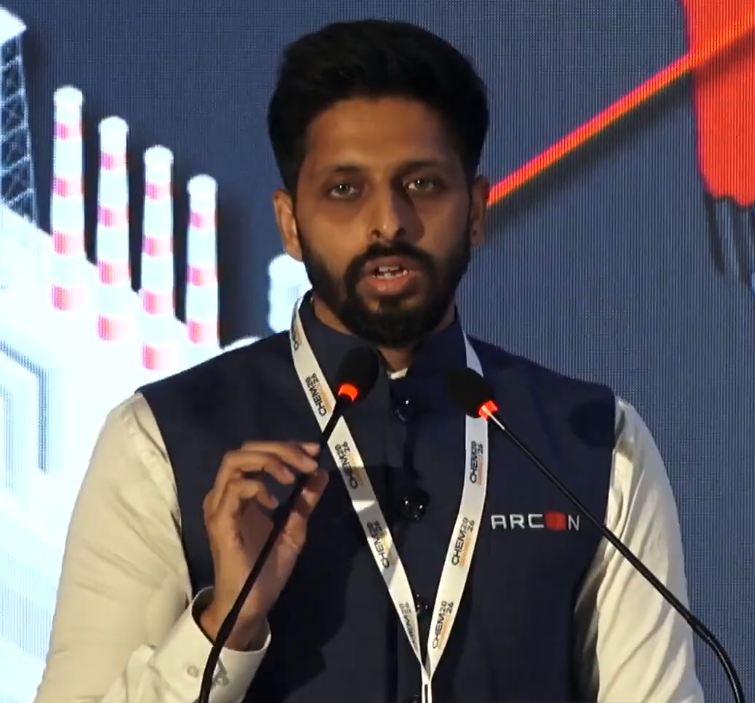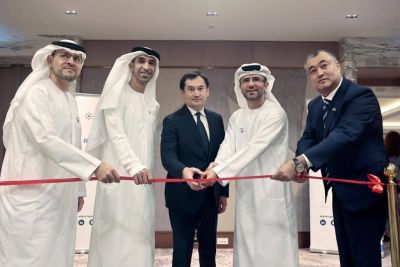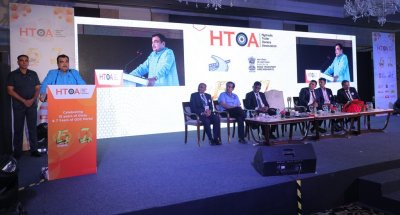
Graced by the presence of Union Minister of Road Transport and Highways Nitin Gadkari, the Hydraulic Trailer Owners Association (HTOA) India hosted its 15th anniversary event cum conference in New Delhi to celebrate years of growth and success and to celebrate 7 seven years of successful implementation of MoRTH's ODC portal for heavy-weight shipments movement permissions.
Other eminent and distinguished guests present on the occasion were Amit Vardhan, Joint Secretary- MVL Transport, Ministry of Road Transport and Highways, Sumit Lall, Founder Partner, CSL Chambers, Rahul Agarwal, Vice President, Invest India, Alok Bhowmick, Director, B&S Engineering, Anurag Chaturvedi, VP and COE Manager- Trade, Transport and Logistics- APMEA Region, Hitachi Energy India, Chandramohan Kandasamy, Chairman & Managing Director, NTC Group, amongst several prominentl veteran dignitaries because of whom the heavy machinery transportation industry has actively become the backbone of Indian industrial infrastructure and economy.
The conference was attended by hydraulic axles owners, regulators (MoRTH/NHAI), civil and construction consultants, vehicle and trailer manufacturers, axles manufacturers, OEMs, heavy-equipment manufacters, EPC contractors, as well as Department of Defence (Indian Army) - all of whom are valuable stakeholders in the heavy machinery transportation industry.
The conference particularly emphasised on the issues shippers/EPC contractors and transporters face, especially when it comes to adhering to innumerable legalities, rules and regulations, additionally strained by the weak infrastructure at key junctions, while being bounded by the acute pressure to complete crucial projects in a limited time-frame within highly specific budgets.
At the conference, HTOA celebrated the tough journey of digitalising the process of issuing and receiving permits to facilitate heavy cargo transportation through the launch of the online ODC portal. Seven years of effective functioning of the portal has made it easier for 55,000 ODC transporters to receive their permits, further easing out the hassles that make the process time-consuming, cumbersome and most importantly, draining monetarily. HTOA also announced their newly designed website to repurpose their existence and service offerings for stakeholders and staged a small launch session led by Nitin Gadkari.
As smooth collaboration among government authorities, private bodies and industry stakeholders is adequately required for a successful GDP growth rate, through harnessing the potentials and increased standardisation of systems and process, Roads and Highways Minister Nitin Gadkari highlighted the need for transparent, time-bound, result-oriented and corruption-free trade and transportation practices. Gadkari took into account the burning issues and challenges facing the industry and assured that the government is already building a system which adheres to this principles and working day in and day out to broaden the horizons.
In the task of fastening digitalisation to achieve utmost transparency and end-to-end visibility, NIC has significantly aided the government. As the subject of transport and gaining permits, comes under the concurrent list, any changes made need to be assented by the central and state governments, and for this, the linking up of information processed from the state governments and their RTO departments is highly instrumental. The Hon’ble Minister also claimed that the decentralisation of process which makes it inefficient is also a factor that introduces corruption into the system and expands the process timelines unnecessarily.
Importantly, the Minister underscored the need for switching paths and opting for ethanol, methanol, BioCNG, BioLNG, electric sources of power as well as Green Hydrogen. He said that such a conversion to alternative fuels by the companies from heavy industries in the usage and transport of construction equipment would not just add to cost-effectiveness but also to environment sustainability. He said the price for 1 kg of Green Hydrogen is currently Rs 70, and that with the increased usage of alternative fuels, the prices of these would reduce significantly.
Gadkari informed that India, today, has also embarked upon an innovative R&D journey that is actively investing upon making battery manufacturing technology sustainable for future uses. Now, instead of using conventional Lithium-ion batteies, Sodium and Zinc-ion batteries are being manufactured. A Faridabad Research Laboratory is opening up new futuristic lanes for technological development in the field of transport through Aluminium-ion batteries, he enlightened.
Now, trailer trucks are also being run on LNG and drivers are being trained in the same, so that the gaps that compel the truck drivers to work 24 hours here in India, contrary to the 8 and 12 hours shift of European countries and the US, are eradicated efficiently, the Minister further noted.
Green Express Highways with four-laned roads, bridges are being built with the capability of carrying heavy loads. Tunnels are also being built to transport heavy machinery from hilly areas, which is otherwise extremely challenging.
The road sector has made the usage of reusable precast concrete as a construction product, mandatory. AIG, according to Gadkari, has already initiated a scheme of 16,000 crores which will facilitate this recyclable and reusable molding of materials.
Besides this, the need to make the process of road construction corruption-free was also highlighted by the Minister. Last year, there were 500,000 accidents and 150,000 deaths caused by hazardous road accidents. The Tamil Nadu Government, Gadkari said, has already successfully implemented an experiment originally executed by World Bank, which has resulted in 50 per cent reduction of road accidents. Similar initiatives are being formulated and executed by the central Government as well to protect the precious lives of people, he said.
The event witnessed an elaborate address on an exhaustive list of challenges and problems that need urgent attention, for which the Union Minister finally requested HTOA to file and share their problems and queries, such that he can take them up with the CBI and other investigative authorities for an in-depth inquiry.
A need for both obeisance and fear for law when reinstated and reiterated, will only help India to be corruption-free, and successfully achieve the tag of “Atmanirbhar” with being s strong 5 trillion dollar economy.
Towards the end of the event, many dignified veterans and industry stakeholders were felicitated with awards and mementos for their persevering and diligent contributions since the Project Revolution in the early 80’s, despite all forms of disruptions. The list of veterans who were felicitated were Jahangir Parabia, Ramkala Gupta, Nilesh Patel, R C Kataria, V P Sekhri, Upvinder Singh, R P Shah, A M Mukherjee, Late Reshan Singh, and Late Raj Kumar Agarwal.
The companies that were awarded by HTOA included NTC Logistics, Globe Ecologistics, Decent Cargo Movers, Procam Logistics, Ganesh Roadlines, ODC Logistics, Kataria Carriers, Darshan Roadlines, J M Baxi Heavy, JSCC Logistics, Rameshwar Transport Company, Kataria Transport Services, Nabros Transport, JS Parabia, and Bhagyoday Transport Company.
Several partners and collaborators were also felicitated for their continued efforts in magnifying the needs, challenges and solutions introduced in the industry. CARGOCONNECT, the media partner for the event, was awarded for its loyalty and honesty in representing the sector through its powerful voice and sectoral analysis of trends and transformations for the greater good of the industry.
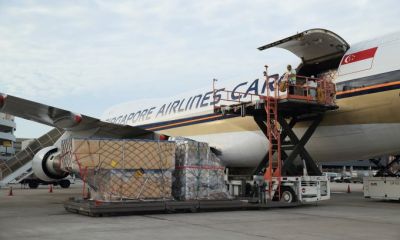
Singapore Changi Airport experienced a significant boost in air cargo volumes for the second quarter of 2024, handling 485,000 tonnes of airfreight from April to June. This represents a 16% increase compared to the same period last year. The growth is attributed to robust shipment flows between Singapore and major markets including the US and China. Changi Airport Group highlighted that the increase was seen across all cargo categories—exports, imports, and transhipments. The airport’s top five air cargo markets for the period were Australia, China, Hong Kong, India, and the United States. In the year-to-date, Changi Airport has processed a total of 960,000 tonnes of airfreight. The first quarter of 2024 also saw strong performance, with 475,000 tonnes handled, driven by high transhipment activity, particularly with China. Key sectors contributing to the cargo throughput include pharmaceuticals, perishables, e-commerce, and advanced materials like semiconductors. Notable airlines operating cargo flights at Changi include Spice Express, Tasman Cargo Airlines, Atlas Air, DHL Express, and Singapore Airlines, which collaborate on cargo operations. As of July 1, Changi Airport boasts 94 airlines operating over 6,900 weekly scheduled flights, linking Singapore to 158 cities across 50 countries and territories globally. This extensive network supports Changi’s role as a major international cargo hub. The airport’s continued growth in air cargo volumes underscores its importance as a critical logistics and transportation hub in the global supply chain.
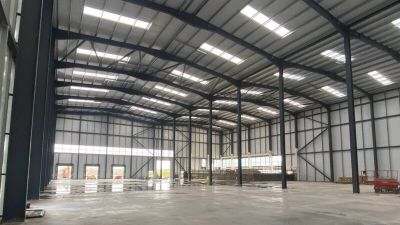
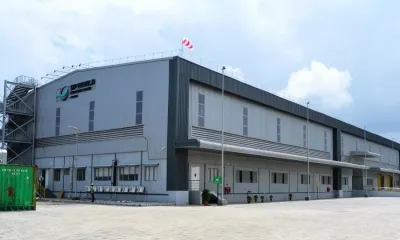
AP Moller – Maersk is strengthening its operations in Bangladesh, where it has been serving the country and its exporters connect to the global market for almost three decades. Bangladesh has been one of the most important sourcing markets for the garments and apparel industry worldwide. The garment manufacturers exporting to global markets have significantly contributed towards building the country’s economy. Despite the impressive growth of garments exports from Bangladesh, the number of warehouses in Chattogram have not increased since 2012, with the sole exception of ISATL that became operational in 2018. Optimising utilisation of available capacity assisted to an extent, however it did not scale enough to meet the trade’s requirements. The logistics ecosystem and the Chittagong Port get stretched, particularly during the peak seasons. In 2021, a fallout of this structural challenge was felt by all the stakeholders involved in EXIM trade when the Container Freight Stations (CFSs) got clogged with cargo resulting in delayed clearance, stuffing and consequently dispatch of containers to the port. Delay in offloading cargo also led to longer truck waiting time, and delay in dispatch of containers to the port, consequently resulting in lack of overall productivity. These challenges have serious consequences on the overall economy of the country given the fact that the Chittagong Port handles in excess of 90 per cent of the total containerised trade to and from Bangladesh. Recognising these challenges, Maersk Bangladesh has partnered with Ispahani Summit Alliance Terminal Limited (ISATL) to build a 200,000 sq ft custom bonded warehouse. ISATL are pioneers in constructing and operating warehouses and CFS and operate four CFS within Chattogram and the River Terminal at Dhaka. Under the scope of this partnership, ISATL will construct a brand new custom bonded warehouse within the existing premises of the facility located at Pathortoli in Chattogram. The new warehouse will double the existing capacity at ISATL and add around 8 per cent additional space to the existing ecosystem at Chattogram. The construction of the new CFS has already commenced and is expected to be completed in a phased manner by the end of 2022. Bangladesh’s exporters and their overseas buyers will be able to start using the facility from July 2022, once the first phase of construction is completed. “Maersk’s commitment to connect and simplify our customers’ supply chains means that we look at long term solutions for problems such as the longstanding congestion within the ecosystem. We tackled the situation in 2021 by deploying an additional vessel for evacuating export loaded containers,” said Angshuman Mustafi, Managing Director, Maersk Bangladesh. “The solutions provided immediate relief to the ecosystem, but there was a need for a comprehensive solution to optimise ocean shipping, port handling and inland logistics that would benefit trade in the long term. By partnering with ISALT, we are establishing a facility that has the potential to partially decongest the system from the landside and streamline the flow of cargo in and out of Bangladesh.” Apart from adding capacity, the facility will offer several other benefits to Bangladesh’s exports. Amongst others, the new facility is being built by benchmarking international best practices when it comes to safety and other compliance guidelines. It will be modern multi-storeyed facility in Chattogram which will have storage at G+2 levels, thus making optimal use of available space to maximise the capacity. There will be an option to offer pallets for all operations, thereby improving the overall operational efficiency. Maersk will also offer customers Garment on Hanger facility, sorting, product audit, labelling, bar code and RFID scanning amongst others. “We are proud to partner with Maersk on this exciting long term project where ISATL’s extensive local experience combined with Maersk’s international best practices will allow us to create a truly world-class facility that will help raise the standards for the entire industry,” said Yasser Rizvi, Managing Director, ISATL.
Indian importers and exporters are grappling with significant cargo delays at Mundra Port, the country’s leading container trade hub. Local trade sources have voiced serious concerns about the worsening congestion at Mundra’s container terminals in recent weeks. "The terminals at Mundra now seem to be hugely congested, and the pendency has increased to levels affecting the normal movement of boxes between CFSs and terminals," stated the Container Freight Station Association Mundra in a complaint. The association added, "All the efforts put in by CFSs are not witnessing any improvement, but are rather finding that the situation is deteriorating further." A recent change in the process of issuing port entry permits for freight vehicles by the port authority has been identified as a major source of frustration. According to freight station owners, truckers are experiencing longer waits to move containers due to difficulties in securing entry permits promptly. "Vehicles are stranded on the road for hours together because of this. A corrective measure needs to be discussed with our members and worked out so as to ensure that movement continues without any hassles," explained the CFS association. The congestion has also frustrated container rail operators, as ICD (inland container depot) volumes constitute a significant portion of Mundra’s trade. The Association of Container Train Operators (ACTO) noted in a trade advisory, "There has been increased congestion at Mundra Port due to delays in effectively evacuating import containers in FIFO [first-in, first-out] sequence on time, despite trains being provided for clearance by container train operators [CTOs]." ACTO indicated that Indian Railways has restricted double-stack loading to expedite train evacuation from the port, resulting in additional ground rent charges for traders. Mundra, Adani Ports’ flagship entity, managed 7.4 million TEUs in the fiscal year 2023-24, marking a 15% increase over Nhava Sheva Port. With volumes rapidly expanding, the Adani Group is considering further investment to enhance capacity. "We continue to invest heavily in the business to drive growth, particularly in the logistics segment," stated Adani in a recent announcement.
Lufthansa Cargo has recently expanded its offerings, providing customers with new belly capacities on several attractive routes. Since the start of June, passengers and cargo alike can benefit from direct connections to various destinations, enhancing global connectivity and trade opportunities. Direct flights to North America, including routes from Frankfurt to Minneapolis (MSP) and Raleigh-Durham (RDU) with Lufthansa Airlines, are now available for booking. Additionally, from the Lufthansa Cargo hub in Munich, new connections to Seattle (SEA) three times a week, and daily capacity to Toronto (YYZ) and Vancouver (YVR) are being offered. Austrian Airlines has also introduced a new route, connecting Vienna with Los Angeles (LAX). Discover Airlines has expanded its services from Frankfurt to Halifax (YHZ) and Anchorage (ANC), further widening the reach of cargo transportation. Moreover, Lufthansa Cargo has introduced freighter capacity to Dubai World Central (DWC), providing customers with additional options for handling larger cargo items or special freight. This new service complements the existing belly service from Dubai International Airport (DXB) and offers enhanced flexibility and efficiency in cargo transportation. With a commitment to enhancing global connectivity and trade facilitation, Lufthansa Cargo continues to innovate and expand its service offerings. These new routes and increased capacities underscore Lufthansa Cargo's dedication to meeting the evolving needs of its customers in a rapidly changing global market.
In a momentous event today, PM Modi inaugurated a 77-kilometer-long section of the Western Dedicated Freight Corridor (WDFC), marking a significant milestone in India's ambitious infrastructure development efforts. The inauguration ceremony, held in the presence of key dignitaries and government officials, showcased the country's commitment to enhancing its transportation network. The Western Dedicated Freight Corridor is a game-changing project that aims to revolutionize India's freight transportation sector. The newly inaugurated 77-kilometer section connects key industrial regions, providing a dedicated pathway for the efficient movement of goods. With this achievement, India takes a major step towards reducing logistics costs, boosting manufacturing, and improving the overall economy. PM Modi, while addressing the audience, emphasized the importance of this project in promoting economic growth, generating employment, and reducing the carbon footprint. He noted, "The Western Dedicated Freight Corridor is a testament to India's vision for a modern and efficient transportation system. It will not only enhance our connectivity but also make us a global logistics hub." The event was attended by several Union Ministers and top officials from the Ministry of Railways, underscoring the government's commitment to accelerating infrastructure development in the country.


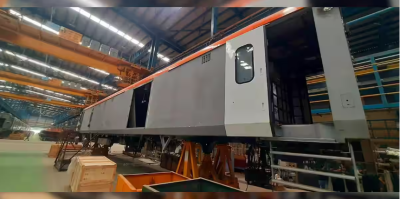
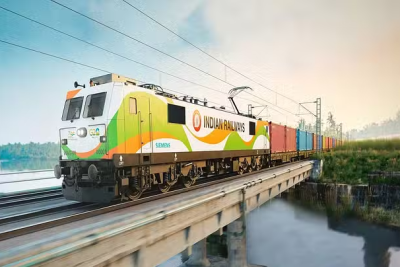
The Indian Railways has unveiled an innovative new look for the Vande Bharat goods carrier, designed to enhance efficiency in freight transport across the nation. This state-of-the-art freight train features advanced technology and modern design, aimed at reducing transit times and improving the overall supply chain network. Equipped with upgraded features, the Vande Bharat goods carrier can transport a wide variety of goods, ensuring a more reliable and faster delivery system. The initiative is part of a broader strategy to modernise India's logistics infrastructure and promote the use of railways for cargo movement, which is essential for sustainable economic growth. This new freight carrier will not only help in decongesting road transport but also contribute to reducing carbon emissions, aligning with the government's commitment to environmental sustainability. With its introduction, Indian Railways aims to enhance cargo capacity and operational efficiency, providing a significant boost to the logistics sector. As the demand for efficient logistics solutions continues to rise, the Vande Bharat goods carrier is poised to play a crucial role in shaping the future of freight transportation in India.
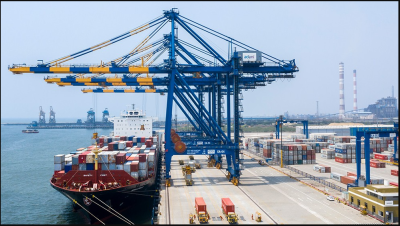

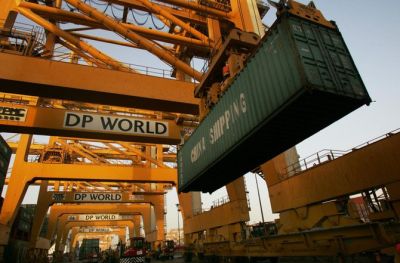
The Zero Emission Port Alliance (ZEPA) has recently announced the onboarding of 11 key organisations from the container port industry. Notable members include APM Terminals (APMT), CATL, DP World, Kempower, Patrick Terminals, Port of Aarhus, Port of Rotterdam, Rocsys, Sany, SSA Marine, and ZPMC. These members are united in their commitment to accelerate the adoption of Battery-Electric Container Handling Equipment (BE-CHE). ZEPA aims to significantly advance port decarbonisation efforts, making BE-CHE both affordable and accessible within the next decade. In recent months, ZEPA has conducted working sessions, initial analyses, and held its first formal Steering Committee during the TOC Europe conference on June 11. The Steering Committee, which met at TOC Europe in Rotterdam, emphasized the importance of their collective membership in reducing emissions and achieving Total Cost of Ownership parity for battery-electric equipment compared to diesel. Industry leaders underscored that rapid change is achievable through cross-value chain collaboration. ZEPA's initiatives are meticulously designed and implemented in compliance with anti-trust and competition laws, with oversight from external legal counsel to ensure transparency and legality. Sahar Rashidbeigi, Global Head of Decarbonisation at APMT, reflected on ZEPA’s progress: “Reflecting on our journey, it is incredible to see how far we have come since defining the problem at last year’s TOC Europe conference. From the ‘tipping point’ White Paper nine months ago to launching ZEPA with DP World in December during COP28, and now onboarding 11 key members across the value chain, our progress highlights that we are addressing a valuable problem that resonates across the industry, and it affirms our conviction that collaboration is essential to tackle it effectively.” ZEPA's collective effort marks a pivotal step in the pursuit of sustainable and zero-emission port operations, showcasing the power of industry-wide cooperation in combating climate change.
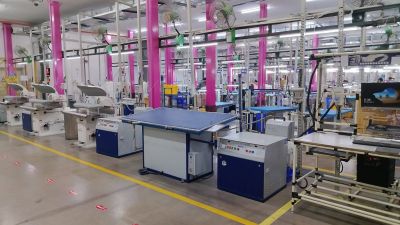
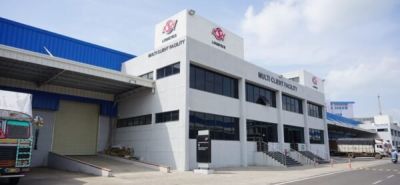
Ekart introduced a new ‘Refinish Service’ to tackle the challenges of returns management in the fashion and lifestyle sector. This innovative service enables retailers to refurbish over 90 percent of returned inventory, helping brands mitigate losses and maximise revenue potential. The Refinish Service is designed for direct-to-consumer (D2C), e-commerce, and retail players in the fashion and lifestyle segments. It also caters to other industries, including footwear, handbags, accessories, and home and decor products such as curtains, bed sheets, and blankets. With a combined processing capacity of 55,000 units daily, Ekart employs best-in-class machinery and energy-conserving technologies. The refinishing process at Ekart's facilities involves rigorous quality checks, stain removal, box replacement, ironing, stitching (if needed), and final quality control to ensure the finesse of refurbished products. Mani Bhushan, Chief Business Officer of Ekart, commented, “By harnessing cutting-edge technology and sustainable practices, the refinishing service empowers brands to optimise their supply chains and drive positive change on a broader scale. The service sets a new standard for returns management, demonstrating our commitment to innovation, efficiency, and sustainability.” Ekart operates Refinish centers across major demand clusters in India, including Gurgaon, Mumbai, Bangalore, and Kolkata. These strategically located centers facilitate swift return processing and reduce transport costs for brands. The facilities are equipped with advanced machinery, including up-steam tables, steam vacuum tables, and industry-leading foam finishers, ensuring thorough and efficient processing of returned inventory. Ekart's Refinish Service marks a significant step forward in returns management, offering a sustainable and efficient solution that benefits both retailers and the environment.