DHL celebrated the close of the 2021 Formula 1® season yesterday with the annual presentation of its two DHL “Fastest Awards”. This year’s DHL Fastest Lap Award champ is repeat-winner Lewis Hamilton (Mercedes), who tied Max Verstappen (Red Bull) with a total of six fastest laps but took the 2021 title based on the number of #2 finishes in the Fastest Lap category.
“It’s a great achievement to receive the Fastest Lap Award again. This year the battle has been so close that the bonus points have been very important,” said Lewis Hamilton. “Thank you to everyone in the team, both back in the factory and here at track, whose hard work has put us in a position to set those times.”
Earning his sixth DHL Fastest Lap trophy since 2014, Hamilton solidified his position atop the all- time Fastest Lap rankings. To present the Fastest Lap Award to Hamilton was Amna Al Qubaisi, the first Emirati female racing driver. Al Qubaisi, who has broken new ground and new records as an Arab female in motorsport, placed 19 th overall in the 2021 F3 Asia Championship standings as a member of Team Abu Dhabi Racing by PREMA.
“As an aspiring driver, it is of course an honor and thrill for me to present this highly coveted DHL Award to one of the world’s top racers,” said Al Qubaisi prior to the award ceremony. “It is also a tremendous honour to be here representing not only female drivers, but also the millions of female race fans and countless women working behind the scenes to make Formula championship racing happen. I want to thank DHL for acknowledging and celebrating this.”
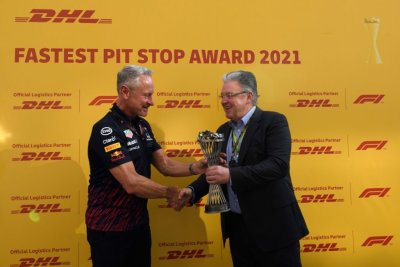
Taking the DHL Fastest Pit Stop Award for 2021 was Red Bull Racing Honda with a winning time of 1.88 seconds – the team’s fourth consecutive Pit Stop title. During the unprecedented 22-race 2021 calendar, the Red Bull Racing Honda pit crew achieved the fastest pit stop 13 times, including three consecutive wins in Qatar, Saudi Arabia, and Abu Dhabi to close out the season.
In 2021, Max Verstappen benefitted from the fastest pit stop eleven times, with teammate Sergio Perez enjoying the fastest stop two times. Team Red Bull was also the only team to post pit-stop times under two seconds, which it accomplished a total of five times this year.
“Another model for speed, precision and clockwork reliability, Team Red Bull has now earned this distinction four years in a row,” said DHL Express CEO John Pearson. “Since introducing the DHL Fastest Pit Stop Award in 2015, we remain tremendously proud of what it celebrates: the unsung heroes behind the scenes and all the hard work, dedication and planning that goes into making those incredibly fast pit stops possible.”
“I’m delighted that the pit stop crew have won the DHL Fastest Pit Stop Award, they have been performing at the top of their game all year,” said Red Bull Racing Honda’s CEO and Team Principal Christian Horner.
For this year’s DHL Fastest Pit Stop Award, Pearson presented Team Red Bull with a unique trophy made from upcycled scrap metal as a symbol of DHL’s commitment to sustainability.
“Deutsche Post DHL Group will be investing 7 billion euros in clean operations and climate-neutral logistics through 2030, which includes major investments in sustainable fuels. In the case of Formula 1, our longtime commitment to providing the fastest, most efficient, and innovative motorsports logistics is now helping the championship to reduce its ecological footprint,” said Pearson. “We see ourselves as the sustainable choice in logistics and want this DHL sprit of sustainability to shine through in everything we do.”
For Arjan Sissing, Head of Global Brand Marketing at Deutsche Post DHL Group, the presentation of the much-celebrated DHL Fastest awards is an opportunity to underscore DHL’s increased focus on sustainability.
“At DHL we have taken the lead in the logistics industry on sustainability – breaking ground with our environmental targets, including zero-emissions logistics by 2050, but also setting new standards in the area of social responsibility, including equal opportunity and diversity across our global workforce,” says Sissing. “Our work supporting Formula 1 is mostly behind the scenes. The Fastest Lap and Fastest Pit Stop awards are that moment when we step into the spotlight, and we wanted to take advantage of the opportunity to highlight our ever-growing commitment to environmental and social responsibility.”
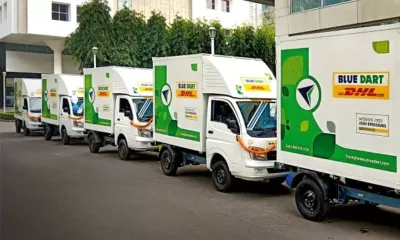
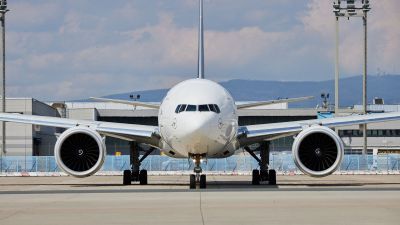
With nearly 40 years of experience managing logistics for Formula 1®, DHL is focused today on helping Formula 1® reduce its carbon footprint and overall environmental impact. To this end, DHL is fitting its entire fleet of F1®-dedicated trucks with a GPS to monitor fuel consumption, select the most sustainable routes, and lower CO2 emissions. Other measures include the use of DHL’s new, fuel-efficient Boeing 777 aircraft, which reduce carbon emissions by 18% compared to traditional aircraft, and leveraging multi-modal transport solutions, including overland and ocean freight. At the Monaco Grand Prix in May of this year, DHL also joined Formula 1® in signing a sustainability pledge to reduce the use of single-use plastics at the track.
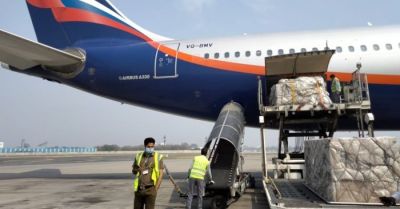
As Official Logistics Partner of Formula 1®, DHL transports up to 1,400 tons of highly sensitive freight – including cars, engines, fuel, broadcasting equipment, as well as marketing and hospitality materials – to over 20 races on five continents over the course of a nine-month season. The Abu Dhabi Grand Prix concludes an unprecedented 22-race 2021 calendar, which included four double-headers (races on two consecutive weekends) and two triple-headers. Adding to the challenge were the ongoing restrictions and safety requirements related to the COVID-19 pandemic. To help ensure the safety of DHL staff, F1® racing teams and fans during the ongoing pandemic, DHL developed stringent protocols for COVID testing and disinfecting the freight zone during each delivery. Brexit also brought significant logistics complications since most of the teams are UK-based. Here, the experts at DHL Motorsports stepped in to handle the new ATA Carnet requirements, which allowed teams to move equipment in and out of the EU without paying taxes and duties.
DHL and Formula 1® look forward to another exciting race calendar in 2022, featuring a record- breaking 23 races and the first-ever Grand Prix in Miami.
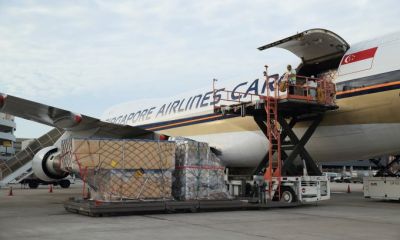
Singapore Changi Airport experienced a significant boost in air cargo volumes for the second quarter of 2024, handling 485,000 tonnes of airfreight from April to June. This represents a 16% increase compared to the same period last year. The growth is attributed to robust shipment flows between Singapore and major markets including the US and China. Changi Airport Group highlighted that the increase was seen across all cargo categories—exports, imports, and transhipments. The airport’s top five air cargo markets for the period were Australia, China, Hong Kong, India, and the United States. In the year-to-date, Changi Airport has processed a total of 960,000 tonnes of airfreight. The first quarter of 2024 also saw strong performance, with 475,000 tonnes handled, driven by high transhipment activity, particularly with China. Key sectors contributing to the cargo throughput include pharmaceuticals, perishables, e-commerce, and advanced materials like semiconductors. Notable airlines operating cargo flights at Changi include Spice Express, Tasman Cargo Airlines, Atlas Air, DHL Express, and Singapore Airlines, which collaborate on cargo operations. As of July 1, Changi Airport boasts 94 airlines operating over 6,900 weekly scheduled flights, linking Singapore to 158 cities across 50 countries and territories globally. This extensive network supports Changi’s role as a major international cargo hub. The airport’s continued growth in air cargo volumes underscores its importance as a critical logistics and transportation hub in the global supply chain.
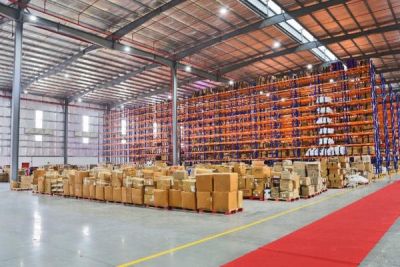
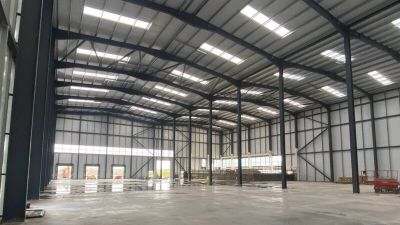
AP Moller – Maersk is strengthening its operations in Bangladesh, where it has been serving the country and its exporters connect to the global market for almost three decades. Bangladesh has been one of the most important sourcing markets for the garments and apparel industry worldwide. The garment manufacturers exporting to global markets have significantly contributed towards building the country’s economy. Despite the impressive growth of garments exports from Bangladesh, the number of warehouses in Chattogram have not increased since 2012, with the sole exception of ISATL that became operational in 2018. Optimising utilisation of available capacity assisted to an extent, however it did not scale enough to meet the trade’s requirements. The logistics ecosystem and the Chittagong Port get stretched, particularly during the peak seasons. In 2021, a fallout of this structural challenge was felt by all the stakeholders involved in EXIM trade when the Container Freight Stations (CFSs) got clogged with cargo resulting in delayed clearance, stuffing and consequently dispatch of containers to the port. Delay in offloading cargo also led to longer truck waiting time, and delay in dispatch of containers to the port, consequently resulting in lack of overall productivity. These challenges have serious consequences on the overall economy of the country given the fact that the Chittagong Port handles in excess of 90 per cent of the total containerised trade to and from Bangladesh. Recognising these challenges, Maersk Bangladesh has partnered with Ispahani Summit Alliance Terminal Limited (ISATL) to build a 200,000 sq ft custom bonded warehouse. ISATL are pioneers in constructing and operating warehouses and CFS and operate four CFS within Chattogram and the River Terminal at Dhaka. Under the scope of this partnership, ISATL will construct a brand new custom bonded warehouse within the existing premises of the facility located at Pathortoli in Chattogram. The new warehouse will double the existing capacity at ISATL and add around 8 per cent additional space to the existing ecosystem at Chattogram. The construction of the new CFS has already commenced and is expected to be completed in a phased manner by the end of 2022. Bangladesh’s exporters and their overseas buyers will be able to start using the facility from July 2022, once the first phase of construction is completed. “Maersk’s commitment to connect and simplify our customers’ supply chains means that we look at long term solutions for problems such as the longstanding congestion within the ecosystem. We tackled the situation in 2021 by deploying an additional vessel for evacuating export loaded containers,” said Angshuman Mustafi, Managing Director, Maersk Bangladesh. “The solutions provided immediate relief to the ecosystem, but there was a need for a comprehensive solution to optimise ocean shipping, port handling and inland logistics that would benefit trade in the long term. By partnering with ISALT, we are establishing a facility that has the potential to partially decongest the system from the landside and streamline the flow of cargo in and out of Bangladesh.” Apart from adding capacity, the facility will offer several other benefits to Bangladesh’s exports. Amongst others, the new facility is being built by benchmarking international best practices when it comes to safety and other compliance guidelines. It will be modern multi-storeyed facility in Chattogram which will have storage at G+2 levels, thus making optimal use of available space to maximise the capacity. There will be an option to offer pallets for all operations, thereby improving the overall operational efficiency. Maersk will also offer customers Garment on Hanger facility, sorting, product audit, labelling, bar code and RFID scanning amongst others. “We are proud to partner with Maersk on this exciting long term project where ISATL’s extensive local experience combined with Maersk’s international best practices will allow us to create a truly world-class facility that will help raise the standards for the entire industry,” said Yasser Rizvi, Managing Director, ISATL.
Indian importers and exporters are grappling with significant cargo delays at Mundra Port, the country’s leading container trade hub. Local trade sources have voiced serious concerns about the worsening congestion at Mundra’s container terminals in recent weeks. "The terminals at Mundra now seem to be hugely congested, and the pendency has increased to levels affecting the normal movement of boxes between CFSs and terminals," stated the Container Freight Station Association Mundra in a complaint. The association added, "All the efforts put in by CFSs are not witnessing any improvement, but are rather finding that the situation is deteriorating further." A recent change in the process of issuing port entry permits for freight vehicles by the port authority has been identified as a major source of frustration. According to freight station owners, truckers are experiencing longer waits to move containers due to difficulties in securing entry permits promptly. "Vehicles are stranded on the road for hours together because of this. A corrective measure needs to be discussed with our members and worked out so as to ensure that movement continues without any hassles," explained the CFS association. The congestion has also frustrated container rail operators, as ICD (inland container depot) volumes constitute a significant portion of Mundra’s trade. The Association of Container Train Operators (ACTO) noted in a trade advisory, "There has been increased congestion at Mundra Port due to delays in effectively evacuating import containers in FIFO [first-in, first-out] sequence on time, despite trains being provided for clearance by container train operators [CTOs]." ACTO indicated that Indian Railways has restricted double-stack loading to expedite train evacuation from the port, resulting in additional ground rent charges for traders. Mundra, Adani Ports’ flagship entity, managed 7.4 million TEUs in the fiscal year 2023-24, marking a 15% increase over Nhava Sheva Port. With volumes rapidly expanding, the Adani Group is considering further investment to enhance capacity. "We continue to invest heavily in the business to drive growth, particularly in the logistics segment," stated Adani in a recent announcement.
Lufthansa Cargo has recently expanded its offerings, providing customers with new belly capacities on several attractive routes. Since the start of June, passengers and cargo alike can benefit from direct connections to various destinations, enhancing global connectivity and trade opportunities. Direct flights to North America, including routes from Frankfurt to Minneapolis (MSP) and Raleigh-Durham (RDU) with Lufthansa Airlines, are now available for booking. Additionally, from the Lufthansa Cargo hub in Munich, new connections to Seattle (SEA) three times a week, and daily capacity to Toronto (YYZ) and Vancouver (YVR) are being offered. Austrian Airlines has also introduced a new route, connecting Vienna with Los Angeles (LAX). Discover Airlines has expanded its services from Frankfurt to Halifax (YHZ) and Anchorage (ANC), further widening the reach of cargo transportation. Moreover, Lufthansa Cargo has introduced freighter capacity to Dubai World Central (DWC), providing customers with additional options for handling larger cargo items or special freight. This new service complements the existing belly service from Dubai International Airport (DXB) and offers enhanced flexibility and efficiency in cargo transportation. With a commitment to enhancing global connectivity and trade facilitation, Lufthansa Cargo continues to innovate and expand its service offerings. These new routes and increased capacities underscore Lufthansa Cargo's dedication to meeting the evolving needs of its customers in a rapidly changing global market.
In a momentous event today, PM Modi inaugurated a 77-kilometer-long section of the Western Dedicated Freight Corridor (WDFC), marking a significant milestone in India's ambitious infrastructure development efforts. The inauguration ceremony, held in the presence of key dignitaries and government officials, showcased the country's commitment to enhancing its transportation network. The Western Dedicated Freight Corridor is a game-changing project that aims to revolutionize India's freight transportation sector. The newly inaugurated 77-kilometer section connects key industrial regions, providing a dedicated pathway for the efficient movement of goods. With this achievement, India takes a major step towards reducing logistics costs, boosting manufacturing, and improving the overall economy. PM Modi, while addressing the audience, emphasized the importance of this project in promoting economic growth, generating employment, and reducing the carbon footprint. He noted, "The Western Dedicated Freight Corridor is a testament to India's vision for a modern and efficient transportation system. It will not only enhance our connectivity but also make us a global logistics hub." The event was attended by several Union Ministers and top officials from the Ministry of Railways, underscoring the government's commitment to accelerating infrastructure development in the country.


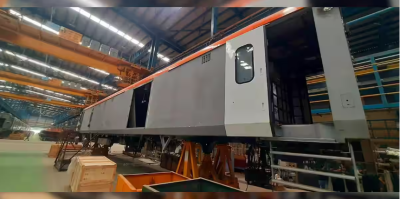
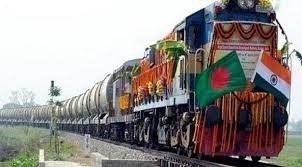
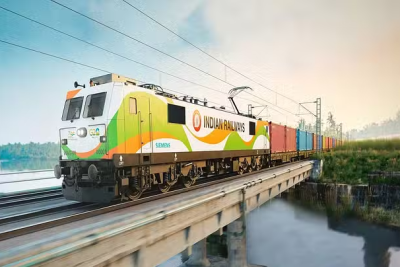
The Indian Railways has unveiled an innovative new look for the Vande Bharat goods carrier, designed to enhance efficiency in freight transport across the nation. This state-of-the-art freight train features advanced technology and modern design, aimed at reducing transit times and improving the overall supply chain network. Equipped with upgraded features, the Vande Bharat goods carrier can transport a wide variety of goods, ensuring a more reliable and faster delivery system. The initiative is part of a broader strategy to modernise India's logistics infrastructure and promote the use of railways for cargo movement, which is essential for sustainable economic growth. This new freight carrier will not only help in decongesting road transport but also contribute to reducing carbon emissions, aligning with the government's commitment to environmental sustainability. With its introduction, Indian Railways aims to enhance cargo capacity and operational efficiency, providing a significant boost to the logistics sector. As the demand for efficient logistics solutions continues to rise, the Vande Bharat goods carrier is poised to play a crucial role in shaping the future of freight transportation in India.
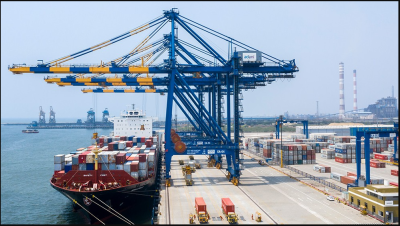

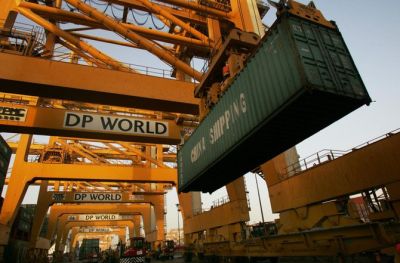
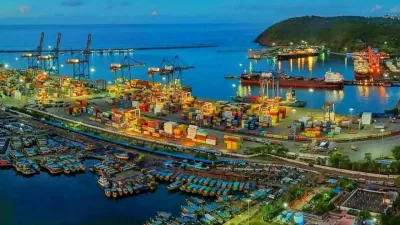
The Zero Emission Port Alliance (ZEPA) has recently announced the onboarding of 11 key organisations from the container port industry. Notable members include APM Terminals (APMT), CATL, DP World, Kempower, Patrick Terminals, Port of Aarhus, Port of Rotterdam, Rocsys, Sany, SSA Marine, and ZPMC. These members are united in their commitment to accelerate the adoption of Battery-Electric Container Handling Equipment (BE-CHE). ZEPA aims to significantly advance port decarbonisation efforts, making BE-CHE both affordable and accessible within the next decade. In recent months, ZEPA has conducted working sessions, initial analyses, and held its first formal Steering Committee during the TOC Europe conference on June 11. The Steering Committee, which met at TOC Europe in Rotterdam, emphasized the importance of their collective membership in reducing emissions and achieving Total Cost of Ownership parity for battery-electric equipment compared to diesel. Industry leaders underscored that rapid change is achievable through cross-value chain collaboration. ZEPA's initiatives are meticulously designed and implemented in compliance with anti-trust and competition laws, with oversight from external legal counsel to ensure transparency and legality. Sahar Rashidbeigi, Global Head of Decarbonisation at APMT, reflected on ZEPA’s progress: “Reflecting on our journey, it is incredible to see how far we have come since defining the problem at last year’s TOC Europe conference. From the ‘tipping point’ White Paper nine months ago to launching ZEPA with DP World in December during COP28, and now onboarding 11 key members across the value chain, our progress highlights that we are addressing a valuable problem that resonates across the industry, and it affirms our conviction that collaboration is essential to tackle it effectively.” ZEPA's collective effort marks a pivotal step in the pursuit of sustainable and zero-emission port operations, showcasing the power of industry-wide cooperation in combating climate change.
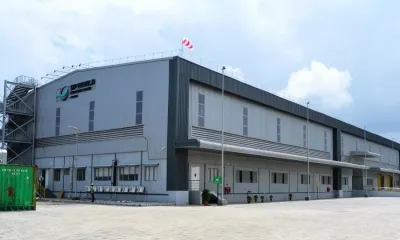
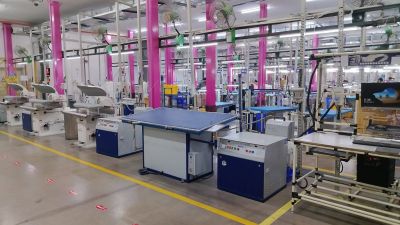
Ekart introduced a new ‘Refinish Service’ to tackle the challenges of returns management in the fashion and lifestyle sector. This innovative service enables retailers to refurbish over 90 percent of returned inventory, helping brands mitigate losses and maximise revenue potential. The Refinish Service is designed for direct-to-consumer (D2C), e-commerce, and retail players in the fashion and lifestyle segments. It also caters to other industries, including footwear, handbags, accessories, and home and decor products such as curtains, bed sheets, and blankets. With a combined processing capacity of 55,000 units daily, Ekart employs best-in-class machinery and energy-conserving technologies. The refinishing process at Ekart's facilities involves rigorous quality checks, stain removal, box replacement, ironing, stitching (if needed), and final quality control to ensure the finesse of refurbished products. Mani Bhushan, Chief Business Officer of Ekart, commented, “By harnessing cutting-edge technology and sustainable practices, the refinishing service empowers brands to optimise their supply chains and drive positive change on a broader scale. The service sets a new standard for returns management, demonstrating our commitment to innovation, efficiency, and sustainability.” Ekart operates Refinish centers across major demand clusters in India, including Gurgaon, Mumbai, Bangalore, and Kolkata. These strategically located centers facilitate swift return processing and reduce transport costs for brands. The facilities are equipped with advanced machinery, including up-steam tables, steam vacuum tables, and industry-leading foam finishers, ensuring thorough and efficient processing of returned inventory. Ekart's Refinish Service marks a significant step forward in returns management, offering a sustainable and efficient solution that benefits both retailers and the environment.