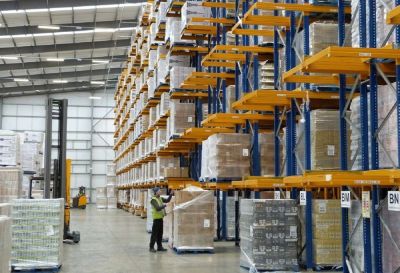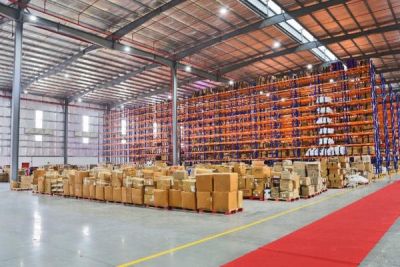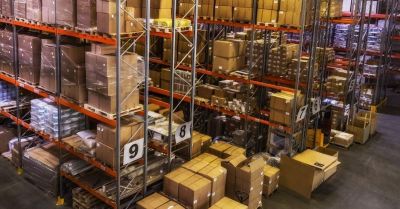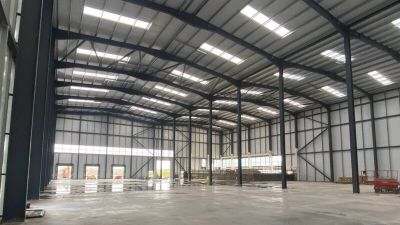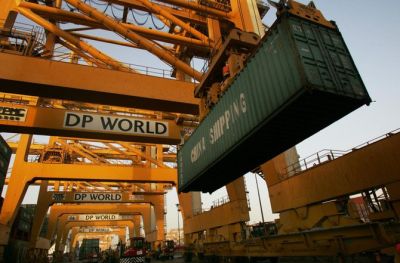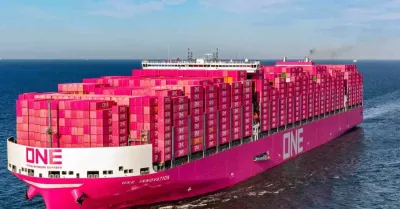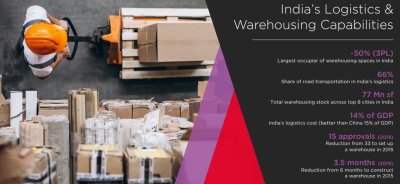
While it’s a fact that the COVID-19 pandemic resulted in upending every sector in the country, but its wrath only unleashed a wave that served as catalyst for India’s industrial and logistics real-estate sector, with leasing on the rise and expected to touch a high of 100 mn sq ft by 2023 as e-commerce and manufacturing expand base in the country. Importantly, the entry of Indian business giants in the space signifies that the e-commerce segment is at the cusp of its next phase of growth and a major demand driver for India’s booming warehousing market.
Upamanyu Borah
As the coronavirus pandemic significantly impacted businesses and economy worldwide, consumers shifted consumption activity to online transactions. In the Indian context, given the rapid rise of e-commerce across non-metro cities, demand for storage spaces increased in tier II and III cities, which has further led to the growth of the logistics sector to keep up with the rising demand, ultimately driving real-estate growth.
A striking reason for the increased online spending per customer in these cities is driven by the development of last-mile delivery by the logistics companies and an exponential increase in the warehousing space.
A study earlier this year by consulting firm Praxis Global Alliance said that while in pre-COVID times (FY2018-2020), Grade A and B warehouses in India grew at 18 per cent CAGR, e-commerce and retail are expected to push growth of Grade A and B warehouses at a much faster pace over FY2018-2025.
This trajectory is expected to continue with annual investments being made to the tune of US$500 billion, with the projected compound annual growth rate (CAGR) for 2019-2025 standing at 10.5 per cent. Similarly, the investments made in the warehousing segment have increased by US$7.12 billion between 2018 and 2020. As the impact of the national lockdown became clearer, the leases and active request for proposal (RFPs) that were in various stages of completion reached full closure in the fourth and fifth quarters of 2020.
Latest perspectives on growth
Real-estate consultancy CBRE has projected that warehouse leasing, which reached a historic peak of 32 MSF in 2019, will touch nearly 100 MSF in the next three years.
Additionally, international property consultant Knight Frank in their latest report - India Warehousing Market Report – 2021 projects that annual warehousing transactions for the top eight Indian cities (primary markets) will grow at a CAGR of 19 per cent to 76.2 million sq ft (7.08 mn sq mt) by FY2026 from 31.7 million sq ft (2.95 mn sq mt) in FY2021.
As per the projections for the next 5 years (FY2022 – FY2026), the e-commerce segment is expected to take up significant space estimated to be 98 million sq ft (9.1 mn sq mt) approximately registering an increase of 165 per cent from the preceding period of FY2017 – FY2021. Third-party logistics (3PL) and other sector companies are expected to take up 56 per cent (83 mn sq ft) and 43 per cent (53 mn sq ft) more space respectively, over the same reference period.
With respect to total land committed to the warehousing development in the top 8 cities is approximately 22,488 acres, which will translate to a total buildable potential of up to 531 million sq ft. Existing warehousing stock already accounts for 329 million sq ft on this committed land, leaving about 202 million sq ft of potential warehousing space that can be developed in these land parcels.
Shishir Baijal, Chairman & Managing Director, Knight Frank India had said, “The past five quarters have been nothing short of a roller coaster ride as successive infection waves adversely impacted human life. During this period, most commercial real-estate asset classes have been impacted by the headwinds including the Indian warehousing sector. But inherent strength of the Indian economy, strong domestic consumer base and some unique opportunities arising out of the pandemic has mitigated the impact on the warehousing sector.”
“Supply chain disruptions from the pandemic have intensified the need for more institutional players in the warehousing segment which will ensure institutionalisation of the warehouse space, leading to greater participation from the big developers.”
“In the short run occupier activities will be dictated by the intensity of the pandemic however in the long-term perspective the sector should gain momentum aligning itself to India’s economy development trajectory,” Shishir added.
The Knight Frank report highlights that occupiers showed a marked preference for Grade A properties as they are much better geared toward tackling exigencies such as those posed by the pandemic. Increased demand by e-commerce companies also resulted in increased preference for Grade A properties. 65 per cent of all transactions during FY2021 were across Grade A properties with the exception of Bengaluru and Ahmedabad, more than half the area transacted in all the top markets occurred in Grade A properties.
Development of Grade A warehousing facilities has increased in recent years, currently constituting 35 per cent of the total stock compared to 34 per cent in FY2020. Pune (71 per cent) and Chennai (71 per cent) have the highest concentration of Grade A stock due to their primary demand base of auto and auto ancillary occupiers. Mumbai (18 per cent) and Delhi NCR (29 per cent) being older markets have a significantly lower proportion of Grade A warehouses.
The report also evaluates 13 secondary markets. These markets show strong future potential as their current share in transactions have grown consistently from 12 per cent in FY2019 to 23 per cent in FY2021. Secondary markets accounted for 9.7 million sq ft (0.9 mn sq mt) of warehousing transactions during FY2021.
As per the report, in FY2021, warehousing demand in secondary markets has grown 31 per cent y-o-y compared to a 23 per cent y-o-y de-growth for primary markets. The secondary markets contribute around 23 per cent of overall warehousing demand in India. Among the secondary markets, Indore and Jaipur noted exponential growth of 306 per cent and 219 per cent, respectively in FY 2021.
A recent Colliers report suggested that leasing in Grade A industrial and warehousing spaces touched 10.1 million sq ft in H1 of 2021 across the top five Indian cities of Bengaluru, Chennai, Delhi NCR, Mumbai, and Pune.
Delhi NCR led the leasing activity with a share of about 30.2 per cent, followed by Pune and Bengaluru with a share of 27.2 per cent and 20.0 per cent respectively. Almost 59 per cent of the total leasing was in Grade A industrial and warehousing facilities indicating increased inclination for high-grade structures.
The average length of warehousing leases is also getting longer, ranging from 6-9 years and even longer in some cases, the report noted.
On the supply front, the market witnessed 15.1 million sq ft of new building completions during H1 2021, a two-fold increase from H1 2020. Developers are racing to finish building completions to capture the burgeoning demand for industrial and warehousing space.
Delhi NCR accounted for almost 63 per cent of the new supply delivered in H1 2021, followed by Mumbai and Chennai accounting for 15 per cent and 11 per cent of the pie respectively.
Overall vacancy rate was at just over 12% with both Bengaluru and Chennai having the lowest vacancy rate of 6.3 per cent with Pune and Delhi NCR having the highest at 17.9 per cent and 17.4 per cent, respectively. All the cities saw an uptick in rentals in H1 2021 from those of last year. Bengaluru saw the steepest rise of about 19 per cent as demand outpaced supply, the report added.
Developers eye massive portfolio earnings uptick
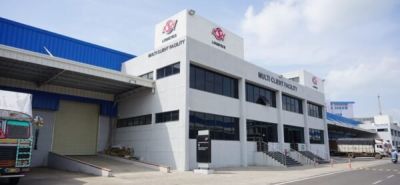
One of Asia's largest diversified real-estate groups, CapitaLand recently launched ‘CapitaLand India Logistics Fund II’, its second logistics private fund of US$400 million (Rs 22.5 billion) to expand in India’s warehousing sector.
CapitaLand India Logistics Fund II will invest in the development of logistics assets in key warehousing and manufacturing hubs in six major cities namely National Capital Region (NCR), Mumbai, Ahmedabad, Bangalore, Chennai, Pune as well as in emerging markets such as Coimbatore, Guwahati, Jaipur, Kolkata and Lucknow.
CapitaLand India Logistics Fund II will grow CapitaLand’s current total Funds Under Management (FUM) of US$79.2 billion across over 20 private funds and six listed trusts, further reinforcing CapitaLand’s position as one of the leading real-estate fund managers in the world.
The new fund follows the deployment of its first logistics fund, the US$400 million Ascendas India Logistics Programme, which was launched in 2018 to develop six projects in Bengaluru, Chennai, NCR and Pune. The projects have a total development potential of 12 million sq ft of space, two of which are operational with 2.8 million sq ft of leased space.
“The launch of CapitaLand’s second logistics fund in India is in line with the Group’s strategy to expand our fund management business to generate recurring Fee Related Earnings (FRE) and grow the Group’s Assets Under Management (AUM) in a capital efficient way. In 1Q 2021, CapitaLand’s FRE increased by more than 30 per cent year-on-year,”said Jonathan Yap, President- CapitaLand Financial, CapitaLand Group, who oversees CapitaLand’s business in India.
“Our target is to grow CapitaLand’s FUM to at least US$100 billion by 2024. We will do so by raising new funds across geographies and asset classes, as well as supporting the growth of our existing REITs, business trusts and private funds. We will continue to leverage CapitaLand’s real-estate investment and fund management capabilities to grow our funds in our core markets of Singapore, China, India, and Vietnam as well as our focus markets such as Australia, USA and Europe where there is strong investor demand,” Yap further added.
In 2018, Singapore-based Ascendas-Singbridge Group and real-estate firm Firstspace Realty entered India’s industrial logistics and warehousing market with their first fund. In 2019, CapitaLand completed the acquisition of Temasek Holdings-owned Ascendas-Singbridge.
Headquartered and listed in Singapore, CapitaLand owns and manages a global portfolio worth about US$137.7 billion as of March 31, 2021. In October 2019, CapitaLand announced that it aims to more than double its AUM in India to US$7 billion by 2024. Currently, CapitaLand’s total logistics AUM is about US$3.9 billion.
In total, CapitaLand targets to develop a logistics portfolio of 20 to 25 million sq ft of space in India by 2025. Ascendas-Firstspace manages the assets of Ascendas India Logistics Programme and CapitaLand India Logistics Fund II. Separately, Ascendas India Trust, a listed property trust, currently has seven warehouses located at the Arshiya Free Trade Warehousing Zone in Navi Mumbai.
Warburg Pincus-backed logistics development platform ESR is stepping up its investment in the industrial and warehousing space in the country, with a plan to operationalise 18 million sq ft portfolio in the next three years.
The company is also eyeing markets like Gurgaon, Chennai, and Bengaluru to expand its portfolio apart from venturing into tier II cities. The firm is looking to also acquire 8 warehousing projects across major hubs and these transactions are expected to be concluded over the next one year.
In December, ESR set up a second fund with Singapore’s sovereign fund GIC. The 80:20 strategic partnership of a US$750 million joint venture will see both the partners develop and acquire industrial and logistics assets in India.
ESR’s current portfolio is spread across nine cities, 15 locations, 700 acres of land acquired and 4.5 million sq ft warehousing under development. Apart from Pune, the company is currently developing warehousing projects at Hosur and Sriperumbudur in Tamil Nadu, Farrukhnagar and Bilaspur in Delhi NCR, and Kothur in Hyderabad.
In June this year, inked a Memorandum of Understanding (MoU) with the Government of Tamil Nadu for a potential investment of Rs 550 crores that will see the launch of two industrial parks in Kancheepuram and Krishnagiri districts of the state over the next five years.
According to a recent survey, Tamil Nadu emerged as the country’s top investment destination in the first quarter of 2020. The southern State accounted for 18.63 per cent of the Rs 97,859 crores of investments envisaged to execute 1,241 projects in the country. The diverse economic ecosystem makes Tamil Nadu a strong contender to attract investments globally.
Additionally, the momentous increase in the number of Grade A industrial parks shows that Chennai, the capital city of Tamil Nadu has become the nodal point for supply chain and logistics in South India.
In Oragadam, the industrial suburb of Chennai, ESR recently acquired 39 acres land to establish a state-of-the-art industrial and logistics park to be spread across 36 acres. Oragadam houses over 22 Fortune 500 companies and is an existing hub for sectors such as automobile, auto-ancillary, R&D centres, 3PLs, electronics, energy, aerospace and defence. ESR Oragadam facility is being developed to the highest specifications and will be equipped with best-in-class infrastructure, demonstrating the full scope of ESR's sustainability initiatives and human-centric designs. It has been pre-certified gold by Indian Green Building Council (IGBC). With this investment, ESR had expanded its India footprint to 14 locations.
“The Government of Tamil Nadu has been very supportive in encouraging industrial developments in the state by creating a favourable business climate for industrial players. Our goals are aligned with the vision of the Tamil Nadu government, to create avenues to increase business and trade inclusion opportunities and employment towards garnering better economic growth in the region,” Abhijit Malkani, CEO and Country Head, ESR India was quoted saying.
“Chennai has always been one of the key markets in our portfolio with a robust industrial ecosystem. We look forward to bringing more high-quality occupiers to this facility soon.”
ESR India also inked a MoU with the government of Maharashtra envisaging Rs 4,310 crore investments for setting up 11 projects around Mumbai and Pune. This was later followed by the developer’s announcement to invest Rs 330 crore to develop a second industrial and logistics park spread over 38 acres at the industrial manufacturing hub of Chakan in Pune.
Chakan is known for prominent industrial clusters for engineering, automobile, electronics, FMCG, and logistics corporations. The location has access to a large talent pool and a well-developed social infrastructure with quality housing, retail malls, medical, educational facilities, making it an ideal destination for manufacturing and warehousing.
“Chakan has been a significant location for our expansion in India due to its established industrial ecosystem and increasing demand driven by national and global companies for Grade A spaces in this region. This second park in Chakan will address this demand and help us strengthen our position in the western region of the country,” Malkani had expressed.
ESR’s first logistics park in Chakan is spread over 53 acres in MIDC and is operational from the fourth quarter of 2019.
Within a series of ongoing developments, the company’s plan to develop a 36.5 acre Industrial and Logistics Park in Jalisana, an emerging industrial hub of North Gujarat has come as the latest.
Close to established automobile manufacturing clusters of Vitthalapur and Becharji, Jalisana benefits from an existing industrial ecosystem. ESR Jalisana will be an enabler for consolidation, with flexible leasing options from 40,000 sq ft to over 500,000 sq ft Grade A spaces, a rare opportunity in this region.
“We are excited to enter one of the fastest-growing industrial zones of the country, with a robust manufacturing base and an upsurge in e-commerce adoption. We are ready to contribute to Grade A spaces to further augment industrial and warehousing activity in the region. ESR Jalisana industrial and logistics park will boost ESR India’s footprint to 18 million sq ft across strategically significant locations,” Malkani said.
Meanwhile, India’s largest investor, developer, and manager of Grade A industrial real-estate and logistics parks, IndoSpace most recently launched its new industrial park in Narasapura, near Bengaluru. The park will boost IndoSpace’s footprint in the manufacturing and industrial destination of Karnataka, with its modern amenities catering to the rising demand for industrial warehousing and logistics across sectors.
The Bengaluru warehousing market has seen 4.30 million sq ft leasing in FY2020. By consolidating the warehousing market, developers are venturing into the city’s prominent clusters with land acquisitions for Greenfield developments and making it a preferred destination for Japanese, European and Korean companies in the electronics, FMCG, and FMCD sector.
Rajesh Jaggi, Vice-Chairman– Real-Estate, Everstone Group said in a statement, “By offering a solid foundation with our Grade A logistics infrastructure to customers across sectors, we aim to tap into the manufacturing boom being witnessed in the state of Karnataka. In addition, the launch of our new park in Narasapura will further help in attracting global manufacturers to the state of Karnataka.”
In June this year, IndoSpace also launched two parks in South India, in Vallam and Oragadam areas in Tamil Nadu, adding 118 acres to its regional portfolio.
The real-estate arm of Everstone Group, IndoSpace has a portfolio of over 43 million sq ft across 41 industrial and logistics parks pan-India. In 2020, it spent around US$500 million across nine acquisitions. Further, it plans to add four million sq ft of warehousing space by the end of 2021.
Earlier this year, IndoSpace and Model Economic Township, a subsidiary of Reliance Industries, have jointly acquired 55 acres at Farukhnagar, in Haryana, to develop a warehousing facility.
The land parcel has development potential of 1.28 million sq ft. With this, IndoSpace expanded its footprint in Delhi NCR to over 480 acres across eight industrial parks.
“We are excited to enter one of the fastest growing industrial zones in partnership with Model Economic Township as we continue to evaluate opportunities across the country,” Jaggi said.
“Model Economic Township’s expertise in developing large-scale industrial infrastructure in this micro-market will add significant value to this partnership. This project highlights IndoSpace’s focus on supporting the growth of India’s logistics sector, which will continue to expand robustly due to improved warehousing infrastructure,” he emphasised.
IndoSpace has been a pioneer in facilitating green warehousing in India. Through its commitment towards sustainability, IndoSpace continues to play an active role in the advocacy of green buildings and responsible operations. Additionally, IndoSpace Core’s Green Finance Framework is the first-ever globally to have incorporated EDGE certified green buildings in the warehousing space being externally reviewed by CICERO Shades of Green.
In line with this, IndoSpace won the ‘Logistics Deal of the Year – India’ honour at the Asset Triple A Infrastructure Awards 2021. It triumphed for closing a US$137.6-million green loan facility provided by The Hongkong and Shanghai Banking Corporation Limited (HSBC).
The loan facility is an extensive portfolio financing of logistics and warehousing, covering 14 projects in the prime warehousing hubs of Pune, Chennai, Bangalore and Delhi NCR. The loan will be used to finance or refinance certified green projects.
The green buildings have also achieved the EDGE certification by the International Finance Corporation, a member of the World Bank Group.
“IndoSpace moved to green warehousing early and is continuously integrating sustainability aspects into our operations and construction practices. The focus on efficient resource- management has been part of our blueprint from the start. I would like to credit the amazing team at IndoSpace, as well as the strong and collaborative relationships with our investors, customers and partners for these coveted recognitions,” Jaggi added.
Catching up to
In the coming years, the warehousing sector may see a shift in trends. As taxes have been reorganized across the country, and the Input Tax Credit (ITC) is now available across all product and service lines, outsourcing logistical activity is the next logical step for most sectors. The warehousing sector will undergo a significant evolutionary shift. Massive service upgrades by large, modern technology-based warehousing operators could potentially become a trend. The warehousing industry is maturing, and even newer developers have begun to include quality criteria and infrastructure as a regular offering.
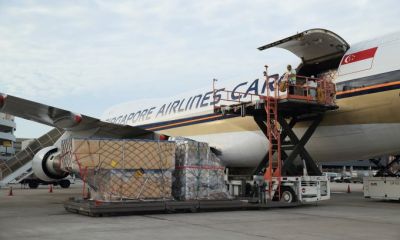
Singapore Changi Airport experienced a significant boost in air cargo volumes for the second quarter of 2024, handling 485,000 tonnes of airfreight from April to June. This represents a 16% increase compared to the same period last year. The growth is attributed to robust shipment flows between Singapore and major markets including the US and China. Changi Airport Group highlighted that the increase was seen across all cargo categories—exports, imports, and transhipments. The airport’s top five air cargo markets for the period were Australia, China, Hong Kong, India, and the United States. In the year-to-date, Changi Airport has processed a total of 960,000 tonnes of airfreight. The first quarter of 2024 also saw strong performance, with 475,000 tonnes handled, driven by high transhipment activity, particularly with China. Key sectors contributing to the cargo throughput include pharmaceuticals, perishables, e-commerce, and advanced materials like semiconductors. Notable airlines operating cargo flights at Changi include Spice Express, Tasman Cargo Airlines, Atlas Air, DHL Express, and Singapore Airlines, which collaborate on cargo operations. As of July 1, Changi Airport boasts 94 airlines operating over 6,900 weekly scheduled flights, linking Singapore to 158 cities across 50 countries and territories globally. This extensive network supports Changi’s role as a major international cargo hub. The airport’s continued growth in air cargo volumes underscores its importance as a critical logistics and transportation hub in the global supply chain.
AP Moller – Maersk is strengthening its operations in Bangladesh, where it has been serving the country and its exporters connect to the global market for almost three decades. Bangladesh has been one of the most important sourcing markets for the garments and apparel industry worldwide. The garment manufacturers exporting to global markets have significantly contributed towards building the country’s economy. Despite the impressive growth of garments exports from Bangladesh, the number of warehouses in Chattogram have not increased since 2012, with the sole exception of ISATL that became operational in 2018. Optimising utilisation of available capacity assisted to an extent, however it did not scale enough to meet the trade’s requirements. The logistics ecosystem and the Chittagong Port get stretched, particularly during the peak seasons. In 2021, a fallout of this structural challenge was felt by all the stakeholders involved in EXIM trade when the Container Freight Stations (CFSs) got clogged with cargo resulting in delayed clearance, stuffing and consequently dispatch of containers to the port. Delay in offloading cargo also led to longer truck waiting time, and delay in dispatch of containers to the port, consequently resulting in lack of overall productivity. These challenges have serious consequences on the overall economy of the country given the fact that the Chittagong Port handles in excess of 90 per cent of the total containerised trade to and from Bangladesh. Recognising these challenges, Maersk Bangladesh has partnered with Ispahani Summit Alliance Terminal Limited (ISATL) to build a 200,000 sq ft custom bonded warehouse. ISATL are pioneers in constructing and operating warehouses and CFS and operate four CFS within Chattogram and the River Terminal at Dhaka. Under the scope of this partnership, ISATL will construct a brand new custom bonded warehouse within the existing premises of the facility located at Pathortoli in Chattogram. The new warehouse will double the existing capacity at ISATL and add around 8 per cent additional space to the existing ecosystem at Chattogram. The construction of the new CFS has already commenced and is expected to be completed in a phased manner by the end of 2022. Bangladesh’s exporters and their overseas buyers will be able to start using the facility from July 2022, once the first phase of construction is completed. “Maersk’s commitment to connect and simplify our customers’ supply chains means that we look at long term solutions for problems such as the longstanding congestion within the ecosystem. We tackled the situation in 2021 by deploying an additional vessel for evacuating export loaded containers,” said Angshuman Mustafi, Managing Director, Maersk Bangladesh. “The solutions provided immediate relief to the ecosystem, but there was a need for a comprehensive solution to optimise ocean shipping, port handling and inland logistics that would benefit trade in the long term. By partnering with ISALT, we are establishing a facility that has the potential to partially decongest the system from the landside and streamline the flow of cargo in and out of Bangladesh.” Apart from adding capacity, the facility will offer several other benefits to Bangladesh’s exports. Amongst others, the new facility is being built by benchmarking international best practices when it comes to safety and other compliance guidelines. It will be modern multi-storeyed facility in Chattogram which will have storage at G+2 levels, thus making optimal use of available space to maximise the capacity. There will be an option to offer pallets for all operations, thereby improving the overall operational efficiency. Maersk will also offer customers Garment on Hanger facility, sorting, product audit, labelling, bar code and RFID scanning amongst others. “We are proud to partner with Maersk on this exciting long term project where ISATL’s extensive local experience combined with Maersk’s international best practices will allow us to create a truly world-class facility that will help raise the standards for the entire industry,” said Yasser Rizvi, Managing Director, ISATL.
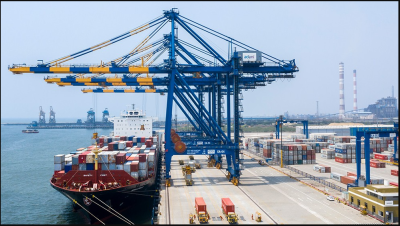
Indian importers and exporters are grappling with significant cargo delays at Mundra Port, the country’s leading container trade hub. Local trade sources have voiced serious concerns about the worsening congestion at Mundra’s container terminals in recent weeks. "The terminals at Mundra now seem to be hugely congested, and the pendency has increased to levels affecting the normal movement of boxes between CFSs and terminals," stated the Container Freight Station Association Mundra in a complaint. The association added, "All the efforts put in by CFSs are not witnessing any improvement, but are rather finding that the situation is deteriorating further." A recent change in the process of issuing port entry permits for freight vehicles by the port authority has been identified as a major source of frustration. According to freight station owners, truckers are experiencing longer waits to move containers due to difficulties in securing entry permits promptly. "Vehicles are stranded on the road for hours together because of this. A corrective measure needs to be discussed with our members and worked out so as to ensure that movement continues without any hassles," explained the CFS association. The congestion has also frustrated container rail operators, as ICD (inland container depot) volumes constitute a significant portion of Mundra’s trade. The Association of Container Train Operators (ACTO) noted in a trade advisory, "There has been increased congestion at Mundra Port due to delays in effectively evacuating import containers in FIFO [first-in, first-out] sequence on time, despite trains being provided for clearance by container train operators [CTOs]." ACTO indicated that Indian Railways has restricted double-stack loading to expedite train evacuation from the port, resulting in additional ground rent charges for traders. Mundra, Adani Ports’ flagship entity, managed 7.4 million TEUs in the fiscal year 2023-24, marking a 15% increase over Nhava Sheva Port. With volumes rapidly expanding, the Adani Group is considering further investment to enhance capacity. "We continue to invest heavily in the business to drive growth, particularly in the logistics segment," stated Adani in a recent announcement.
Lufthansa Cargo has recently expanded its offerings, providing customers with new belly capacities on several attractive routes. Since the start of June, passengers and cargo alike can benefit from direct connections to various destinations, enhancing global connectivity and trade opportunities. Direct flights to North America, including routes from Frankfurt to Minneapolis (MSP) and Raleigh-Durham (RDU) with Lufthansa Airlines, are now available for booking. Additionally, from the Lufthansa Cargo hub in Munich, new connections to Seattle (SEA) three times a week, and daily capacity to Toronto (YYZ) and Vancouver (YVR) are being offered. Austrian Airlines has also introduced a new route, connecting Vienna with Los Angeles (LAX). Discover Airlines has expanded its services from Frankfurt to Halifax (YHZ) and Anchorage (ANC), further widening the reach of cargo transportation. Moreover, Lufthansa Cargo has introduced freighter capacity to Dubai World Central (DWC), providing customers with additional options for handling larger cargo items or special freight. This new service complements the existing belly service from Dubai International Airport (DXB) and offers enhanced flexibility and efficiency in cargo transportation. With a commitment to enhancing global connectivity and trade facilitation, Lufthansa Cargo continues to innovate and expand its service offerings. These new routes and increased capacities underscore Lufthansa Cargo's dedication to meeting the evolving needs of its customers in a rapidly changing global market.
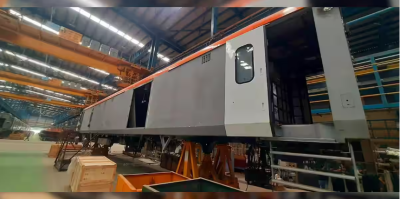
In a momentous event today, PM Modi inaugurated a 77-kilometer-long section of the Western Dedicated Freight Corridor (WDFC), marking a significant milestone in India's ambitious infrastructure development efforts. The inauguration ceremony, held in the presence of key dignitaries and government officials, showcased the country's commitment to enhancing its transportation network. The Western Dedicated Freight Corridor is a game-changing project that aims to revolutionize India's freight transportation sector. The newly inaugurated 77-kilometer section connects key industrial regions, providing a dedicated pathway for the efficient movement of goods. With this achievement, India takes a major step towards reducing logistics costs, boosting manufacturing, and improving the overall economy. PM Modi, while addressing the audience, emphasized the importance of this project in promoting economic growth, generating employment, and reducing the carbon footprint. He noted, "The Western Dedicated Freight Corridor is a testament to India's vision for a modern and efficient transportation system. It will not only enhance our connectivity but also make us a global logistics hub." The event was attended by several Union Ministers and top officials from the Ministry of Railways, underscoring the government's commitment to accelerating infrastructure development in the country.



Trade shows are mission-critical, high-investment events where logistics execution directly influences marketing ROI. Exhibitors spend months preparing for a few days on the floor, since a single missed delivery window can jeopardise the entire programme. In this environment, Less-Than-Truckload (LTL) trade show logistics is no longer just transportation; it is an orchestration of timing, compliance, risk control, and venue-specific expertise. While standard LTL carriers can handle general freight, elite trade show shippers excel because they are built for the ecosystem — understanding drayage, marshalling yards, target windows, live-loading rules, equipment constraints, and the high-value nature of exhibits. This updated guide unpacks the differentiators that set the best providers apart, enhanced with additional dimensions such as KPIs, risk mitigation frameworks, technology adoption, sustainability practices, and a practical vendor-evaluation checklist. The Key Differentiators of Elite Trade Show Shippers When shipping general freight, a standard LTL carrier may be sufficient. However, event logistics demand a higher level of specialised service. The top trade show shippers possess four key differentiators that distinguish them from the rest. Proactive and Specialised Support Trade shows operate on rigid move-in schedules tied to booth size, dock flow, and decorator rules. The strongest providers deploy dedicated trade show teams who can interpret show manuals, coordinate with decorators, and time deliveries to avoid re-handling fees. Best-in-class partners also: Pre-audit documentation and labels to avoid show-site rejections Manage drayage coordination to reduce dwell and material-handling charges Offer pre-receiving and staging at regional facilities for smoother Day-1 move-ins This advisory-driven model transforms logistics from a cost center into a risk-mitigation service. Flexible Coordination and Network Access Because no two events are alike, trade show logistics demand configurable access to LTL, FTL, hot-shot, air, and international capacity. Top providers match service levels, route constraints, and budget requirements by tapping into broad asset and partner networks. A sophisticated network allows for: Expedited or guaranteed-capacity moves for high-stakes shows Cost-effective options for booth materials that can stage early Lane-specific equipment (air-ride, liftgate, climate-controlled) This flexibility becomes essential during peak show seasons when capacity is tight and timelines narrow. Guaranteed Performance and Asset Protection Event deadlines are immovable. Leading providers commit to guaranteed on-time service, narrow ETA bands, and contingency planning across linehaul and last-mile execution. They also emphasise exhibit protection through: Air-ride suspension fleets Strapping, padding, and vibration-control practices Secure transport protocols for prototypes and LED/AV assets With show participation costs rising, damage and delay prevention become competitive differentiators. End-to-End Visibility and Services Real-time visibility is no longer optional. Tocay, exhibitors rely on it to make staffing, booth-build, and drayage decisions. The best LTL partners deliver: Live tracking from pickup to booth delivery API connectivity with exhibitor dashboards Pre-emptive exception alerts and delay recovery paths For international events, leading providers integrate customs documentation, Carnet handling, temporary import permits, and venue-specific rules, ensuring frictionless handoffs across borders. What Are the Best LTL Logistics Companies for Trade Shows? Several providers exemplify these differentiators. The following firms are selected based on their demonstrated strength in specialised show support, performance-oriented service design, event fluency, flexible coordination and comprehensive offerings that cover pre-show to teardown. 1. Green River Logistics Solutions A brokerage-led model with deep carrier reach, making it ideal for exhibitors with varied lane structures. Key strengths: Highly personalised coordination and single-point-of-contact support Flexible equipment sourcing — LTL, flatbed, refrigerated, heavy haul Real-time updates and precise timing for fragile builds 2. XPO Logistics A multinational leader with a controlled linehaul network and a dedicated Trade Show Desk. Key strengths: Tight schedule integrity Venue-specific coordination and dock navigation Strong performance management systems. 3. TWI Group A global exhibition logistics specialist excelling in international customs and venue compliance. Key strengths: ATA Carnet expertise and cross-border support On-site liaisons at major venues High-touch service model for global exhibitors 4. Averitt A time-definite, reliability-driven carrier focused on window compliance. Key strengths: Guaranteed performance Expertise with marshaling yards and dock appointments Rapid recovery for last-minute constraints 5. TTI Logistics A specialist for fragile and custom builds requiring maximum protection. Key strengths: Air-ride fleets and vibration-controlled handling Precision timing for target-move-ins Advanced security protocols Comparing the Top LTL Logistics Providers for Trade Shows These providers excel in different areas. This table offers a quick comparison of their key service features to help you align their strengths with your specific needs. New Strategic Enhancements Added for a Modern Exhibitor’s Playbook Technology Advancements Worth Evaluating AI-assisted ETA predictions Digital drayage coordination tools IoT-enabled condition monitoring for AV and prototype freight Automated warehouse cut-off compliance checks Risk-Mitigation Practices That Matter Pre-show risk audits Contingency rerouting plans Venue-specific compliance checklists High-value cargo insurance design Sustainability Expectations from Today’s Exhibitors Low-emission or EV linehaul and last-mile options Carbon-neutral freight programs Reusable or recyclable crating solutions Emissions dashboards linked to booth shipments Performance Metrics That Define Best-in-Class Providers On-time delivery to target windows Damage-free shipment percentage Visibility uptime SLA Drayage handoff accuracy Exception-resolution response time How to Vet Your Trade Show Logistics Partner Applying the key differentiators includes asking potential partners the right questions. When your program includes international stops, ask about their documentation process, how they manage Carnets and how visibility will work across handoffs. The following can further validate fit and execution discipline: What is your detailed experience with my venue and decorator? Can you guarantee delivery within target-window constraints? What risk-mitigation plan is activated if my freight misses staging cutoff? What specialised equipment will you use for fragile or custom exhibits? How do you integrate with drayage contractors and marshaling yards? Which visibility tools and tracking integrations are available? Can you manage international customs documentation end-to-end? What sustainability options can be applied to my show calendar? Your Partner Is Your Most Critical Exhibit A logistics provider is more than a freight handler; they are the enabler of your presence on the show floor. The right LTL partner combines timing discipline, technical fluency, equipment strength, and venue intelligence to protect your brand and maximise your event ROI. Elite trade show shippers don’t just move freight; they orchestrate flawless show execution.


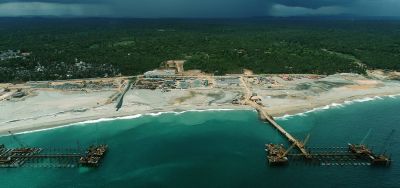
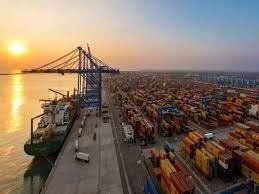
The expansion of Dammam Port in Saudi Arabia has taken a significant step towards strengthening trade relations between India and the Gulf region. The enhanced infrastructure and capacity of the port are set to benefit businesses and industries on both sides, facilitating smoother trade and commerce. The expansion of Dammam Port opens up new opportunities for Indian businesses to engage in import and export activities with the Gulf nations. It also serves as a strategic gateway for goods traveling to and from India, further improving the logistics and transportation landscape for businesses. The project showcases the commitment of both India and Saudi Arabia to enhance economic ties and boost bilateral trade. The increased port capacity will help meet the growing demand for trade between the two regions, ultimately contributing to the economic growth and prosperity of both nations.


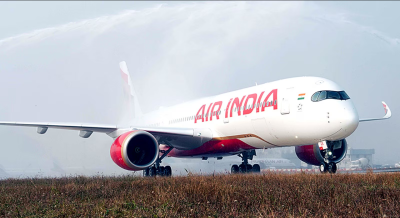
Air India is setting its sights on a promising future as the exclusive carrier for TATA's iPhone exports. This strategic partnership between the renowned Indian airline and the tech giant TATA promises to boost India's manufacturing and export capabilities. The collaboration will enable Air India to become the sole carrier for TATA's iPhone exports, facilitating the efficient transport of these popular devices to international markets. With a reputation for reliability and global reach, Air India is poised to play a crucial role in TATA's supply chain. The move not only strengthens the relationship between two major Indian companies but also underlines India's growing importance in the global technology and manufacturing sectors. Air India's role as the exclusive carrier for iPhone exports is expected to generate significant revenue for the airline and enhance India's position as a hub for high-tech exports.