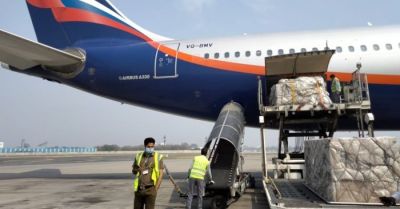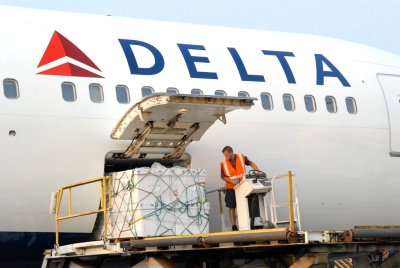
Technology development will be prioritised by Delta Cargo next year with a “dynamic pricing engine” set for launch.
Rob Walpole, vice president at Delta Cargo, said the business has made digitalisation progress, but it aims to further provide differentiated products and services for customers.
“We already have a few initiatives teed up for 2022, including launching a dynamic pricing engine that will help fuel our distribution strategy as well as implementing a loyalty program for our small- to medium-sized customers,” Walpole said.
The airline has also continued to focus on sustainability since becoming the first carbon neutral airline globally in March 2020, he added.
“At Delta Cargo, we began using a 100% biodegradable stretch film and pallet covers in all our stations in 2021, which significantly reduces fossil fuel-based plastic. Since making this change, the Cargo division has prevented the equivalent of more than 12m 16 oz. water bottles from languishing in landfills.”
Delta has also created a fleet plan that foresees significant additional wide-body capacity being added in the next years.
Walpole stated Delta Cargo is on track for its best year ever with record revenues set to exceed US$1bn.
“Our financial targets for 2022 are even more ambitious – not only through 2022 but through 2024-2025,” said Walpole.
“As we look forward to the next three to four years, we have identified several key opportunity areas that we can work with other Delta partners on (technology, operations and sales, among others), that will help us grow revenue by several hundred million dollars by 2025."
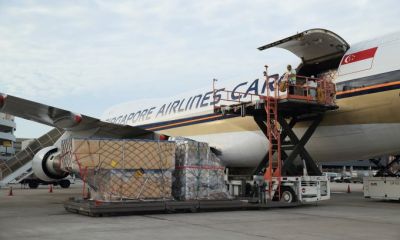
Singapore Changi Airport experienced a significant boost in air cargo volumes for the second quarter of 2024, handling 485,000 tonnes of airfreight from April to June. This represents a 16% increase compared to the same period last year. The growth is attributed to robust shipment flows between Singapore and major markets including the US and China. Changi Airport Group highlighted that the increase was seen across all cargo categories—exports, imports, and transhipments. The airport’s top five air cargo markets for the period were Australia, China, Hong Kong, India, and the United States. In the year-to-date, Changi Airport has processed a total of 960,000 tonnes of airfreight. The first quarter of 2024 also saw strong performance, with 475,000 tonnes handled, driven by high transhipment activity, particularly with China. Key sectors contributing to the cargo throughput include pharmaceuticals, perishables, e-commerce, and advanced materials like semiconductors. Notable airlines operating cargo flights at Changi include Spice Express, Tasman Cargo Airlines, Atlas Air, DHL Express, and Singapore Airlines, which collaborate on cargo operations. As of July 1, Changi Airport boasts 94 airlines operating over 6,900 weekly scheduled flights, linking Singapore to 158 cities across 50 countries and territories globally. This extensive network supports Changi’s role as a major international cargo hub. The airport’s continued growth in air cargo volumes underscores its importance as a critical logistics and transportation hub in the global supply chain.
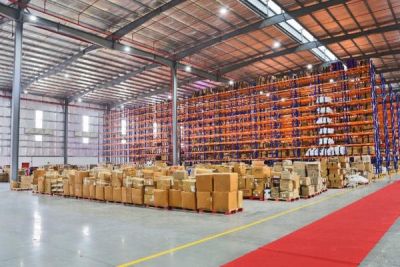
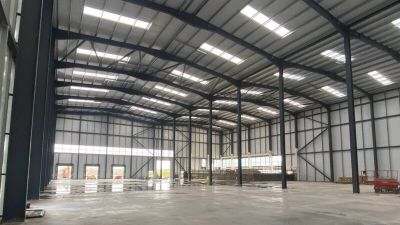
AP Moller – Maersk is strengthening its operations in Bangladesh, where it has been serving the country and its exporters connect to the global market for almost three decades. Bangladesh has been one of the most important sourcing markets for the garments and apparel industry worldwide. The garment manufacturers exporting to global markets have significantly contributed towards building the country’s economy. Despite the impressive growth of garments exports from Bangladesh, the number of warehouses in Chattogram have not increased since 2012, with the sole exception of ISATL that became operational in 2018. Optimising utilisation of available capacity assisted to an extent, however it did not scale enough to meet the trade’s requirements. The logistics ecosystem and the Chittagong Port get stretched, particularly during the peak seasons. In 2021, a fallout of this structural challenge was felt by all the stakeholders involved in EXIM trade when the Container Freight Stations (CFSs) got clogged with cargo resulting in delayed clearance, stuffing and consequently dispatch of containers to the port. Delay in offloading cargo also led to longer truck waiting time, and delay in dispatch of containers to the port, consequently resulting in lack of overall productivity. These challenges have serious consequences on the overall economy of the country given the fact that the Chittagong Port handles in excess of 90 per cent of the total containerised trade to and from Bangladesh. Recognising these challenges, Maersk Bangladesh has partnered with Ispahani Summit Alliance Terminal Limited (ISATL) to build a 200,000 sq ft custom bonded warehouse. ISATL are pioneers in constructing and operating warehouses and CFS and operate four CFS within Chattogram and the River Terminal at Dhaka. Under the scope of this partnership, ISATL will construct a brand new custom bonded warehouse within the existing premises of the facility located at Pathortoli in Chattogram. The new warehouse will double the existing capacity at ISATL and add around 8 per cent additional space to the existing ecosystem at Chattogram. The construction of the new CFS has already commenced and is expected to be completed in a phased manner by the end of 2022. Bangladesh’s exporters and their overseas buyers will be able to start using the facility from July 2022, once the first phase of construction is completed. “Maersk’s commitment to connect and simplify our customers’ supply chains means that we look at long term solutions for problems such as the longstanding congestion within the ecosystem. We tackled the situation in 2021 by deploying an additional vessel for evacuating export loaded containers,” said Angshuman Mustafi, Managing Director, Maersk Bangladesh. “The solutions provided immediate relief to the ecosystem, but there was a need for a comprehensive solution to optimise ocean shipping, port handling and inland logistics that would benefit trade in the long term. By partnering with ISALT, we are establishing a facility that has the potential to partially decongest the system from the landside and streamline the flow of cargo in and out of Bangladesh.” Apart from adding capacity, the facility will offer several other benefits to Bangladesh’s exports. Amongst others, the new facility is being built by benchmarking international best practices when it comes to safety and other compliance guidelines. It will be modern multi-storeyed facility in Chattogram which will have storage at G+2 levels, thus making optimal use of available space to maximise the capacity. There will be an option to offer pallets for all operations, thereby improving the overall operational efficiency. Maersk will also offer customers Garment on Hanger facility, sorting, product audit, labelling, bar code and RFID scanning amongst others. “We are proud to partner with Maersk on this exciting long term project where ISATL’s extensive local experience combined with Maersk’s international best practices will allow us to create a truly world-class facility that will help raise the standards for the entire industry,” said Yasser Rizvi, Managing Director, ISATL.
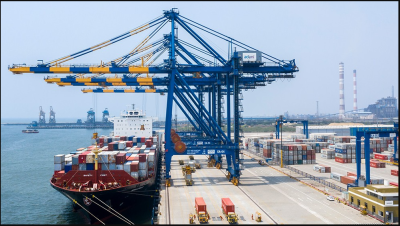
Indian importers and exporters are grappling with significant cargo delays at Mundra Port, the country’s leading container trade hub. Local trade sources have voiced serious concerns about the worsening congestion at Mundra’s container terminals in recent weeks. "The terminals at Mundra now seem to be hugely congested, and the pendency has increased to levels affecting the normal movement of boxes between CFSs and terminals," stated the Container Freight Station Association Mundra in a complaint. The association added, "All the efforts put in by CFSs are not witnessing any improvement, but are rather finding that the situation is deteriorating further." A recent change in the process of issuing port entry permits for freight vehicles by the port authority has been identified as a major source of frustration. According to freight station owners, truckers are experiencing longer waits to move containers due to difficulties in securing entry permits promptly. "Vehicles are stranded on the road for hours together because of this. A corrective measure needs to be discussed with our members and worked out so as to ensure that movement continues without any hassles," explained the CFS association. The congestion has also frustrated container rail operators, as ICD (inland container depot) volumes constitute a significant portion of Mundra’s trade. The Association of Container Train Operators (ACTO) noted in a trade advisory, "There has been increased congestion at Mundra Port due to delays in effectively evacuating import containers in FIFO [first-in, first-out] sequence on time, despite trains being provided for clearance by container train operators [CTOs]." ACTO indicated that Indian Railways has restricted double-stack loading to expedite train evacuation from the port, resulting in additional ground rent charges for traders. Mundra, Adani Ports’ flagship entity, managed 7.4 million TEUs in the fiscal year 2023-24, marking a 15% increase over Nhava Sheva Port. With volumes rapidly expanding, the Adani Group is considering further investment to enhance capacity. "We continue to invest heavily in the business to drive growth, particularly in the logistics segment," stated Adani in a recent announcement.
Lufthansa Cargo has recently expanded its offerings, providing customers with new belly capacities on several attractive routes. Since the start of June, passengers and cargo alike can benefit from direct connections to various destinations, enhancing global connectivity and trade opportunities. Direct flights to North America, including routes from Frankfurt to Minneapolis (MSP) and Raleigh-Durham (RDU) with Lufthansa Airlines, are now available for booking. Additionally, from the Lufthansa Cargo hub in Munich, new connections to Seattle (SEA) three times a week, and daily capacity to Toronto (YYZ) and Vancouver (YVR) are being offered. Austrian Airlines has also introduced a new route, connecting Vienna with Los Angeles (LAX). Discover Airlines has expanded its services from Frankfurt to Halifax (YHZ) and Anchorage (ANC), further widening the reach of cargo transportation. Moreover, Lufthansa Cargo has introduced freighter capacity to Dubai World Central (DWC), providing customers with additional options for handling larger cargo items or special freight. This new service complements the existing belly service from Dubai International Airport (DXB) and offers enhanced flexibility and efficiency in cargo transportation. With a commitment to enhancing global connectivity and trade facilitation, Lufthansa Cargo continues to innovate and expand its service offerings. These new routes and increased capacities underscore Lufthansa Cargo's dedication to meeting the evolving needs of its customers in a rapidly changing global market.
In a momentous event today, PM Modi inaugurated a 77-kilometer-long section of the Western Dedicated Freight Corridor (WDFC), marking a significant milestone in India's ambitious infrastructure development efforts. The inauguration ceremony, held in the presence of key dignitaries and government officials, showcased the country's commitment to enhancing its transportation network. The Western Dedicated Freight Corridor is a game-changing project that aims to revolutionize India's freight transportation sector. The newly inaugurated 77-kilometer section connects key industrial regions, providing a dedicated pathway for the efficient movement of goods. With this achievement, India takes a major step towards reducing logistics costs, boosting manufacturing, and improving the overall economy. PM Modi, while addressing the audience, emphasized the importance of this project in promoting economic growth, generating employment, and reducing the carbon footprint. He noted, "The Western Dedicated Freight Corridor is a testament to India's vision for a modern and efficient transportation system. It will not only enhance our connectivity but also make us a global logistics hub." The event was attended by several Union Ministers and top officials from the Ministry of Railways, underscoring the government's commitment to accelerating infrastructure development in the country.



The Union Budget 2025-26, presented by Finance Minister Nirmala Sitharaman, underscores the government's commitment to strengthening India's logistics and supply chain infrastructure. Building upon previous initiatives, the budget introduces several key measures aimed at enhancing efficiency, connectivity, and sustainability in the sector. Maritime Development Fund A significant highlight is the establishment of a ₹250 billion ($3 billion) Maritime Development Fund aimed at revitalising India's shipbuilding and repair industry. The government will contribute 49% to this fund, with the remainder sourced from ports and private entities. This initiative seeks to enhance maritime infrastructure, reduce dependence on foreign carriers, and position India as a formidable player in global shipping. Plans include promoting shipbuilding clusters and extending a 10-year import tax exemption on inputs for shipbuilding and shipbreaking activities. Additionally, credit notes for shipbreaking will be issued to encourage the scrapping of old vessels and the construction of new ones. Expansion of Air Cargo and Regional Connectivity Recognising the critical role of air cargo in facilitating trade, especially for high-value perishable goods, the budget proposes significant investments in modernising air cargo infrastructure. This includes the development of state-of-the-art warehousing facilities equipped with advanced technology to ensure efficient handling and storage. Additionally, cargo screening and customs procedures will be streamlined to improve efficiency and reduce transit times and costs for exporters and importers. To further strengthen regional connectivity, the budget introduces a modified UDAN (Ude Desh ka Aam Naagrik) scheme. This initiative aims to connect 120 new destinations using turboprop aircraft and helicopters, with a target of carrying 40 million passengers over the next decade. The scheme includes substantial incentives and development plans for smaller airports, helipads, and greenfield airports, particularly in hilly and northeastern regions. This expansion is expected to bolster regional trade and integrate remote areas into the national economy. Capital Expenditure and Technological Integration The government has consistently increased budgetary allocations for infrastructure to reduce logistics costs and enhance supply chain efficiencies. Capital expenditures grew by 28.4% in FY24 and are expected to grow by 17% in FY25. This sustained investment underscores the government's commitment to strengthening the logistics framework. Additionally, there is a focus on technological integration, with expectations of reforms that will further accelerate growth and efficiency in the logistics sector. Industry Reactions Industry leaders have lauded the budget's balanced approach to strengthening infrastructure, manufacturing, and consumer spending. Key measures include tax relief for the middle class, increased access to essential drugs, promotion of electric vehicle production, incentives for renewable energy, and support for the agricultural ecosystem. Experts are optimistic about the budget's potential to increase disposable incomes and drive consumer demand while emphasising the importance of continued fiscal discipline and improvements in the ease of doing business. The budget includes significant steps towards developing India's startup ecosystem, enhancing real estate accessibility, and expanding global supply chains. Rampraveen Swaminathan, Managing Director and CEO of Mahindra Logistics, emphasises that the Union Budget reinforces India's position as one of the fastest-growing major economies, strengthening the roadmap for overall growth in consumption and infrastructure. He highlights that the ‘National Manufacturing Mission’ and 'Make in India' initiatives will further accelerate domestic production, fueling 'Move in India'—a vision for seamless cargo movement across the country. Additionally, the sustained emphasis on infrastructure development, along with a three-year project pipeline under the PPP model and state-backed incentives for capital expenditure, lays a strong foundation for future growth. He further notes that the budget’s focus on logistics modernisation—including PM Gati Shakti, streamlined air cargo warehousing, and the new BharatTradeNet initiative—will enhance India's logistics ecosystem. Aligned with these developments, Mahindra Logistics remains committed to leveraging technology, driving efficiency, and strengthening supply chain resilience. "We look forward to collaboratively building a future-ready, sustainable, and tech-driven logistics landscape, aligned with India's growth ambitions," he adds. C.K. Govil, President of the Air Cargo Agents Association of India (ACAAI) & Chairman and Managing Director of Activair Airfreight India, acknowledges that the Union Budget 2025-26 presents a balanced roadmap that fuels economic expansion while maintaining fiscal prudence. He highlights that for the logistics, air cargo, and supply chain industries, the budget introduces key initiatives aimed at enhancing efficiency, reducing costs, and driving modernisation. He further emphasises that these measures will strengthen the overall logistics framework, ensuring seamless operations and improved competitiveness. "The focus on infrastructure development and digital integration will play a crucial role in shaping a more efficient and resilient supply chain ecosystem," he adds.
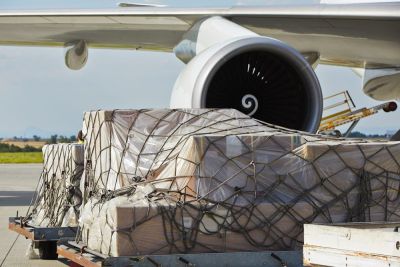
The International Air Transport Association (IATA) released data for November 2024 global air cargo markets showing: Total demand, measured in cargo tonne-kilometers (CTK), rose by 8.2% compared to November 2023 levels (9.5% for international operations) for a 16th consecutive month of growth. Capacity, measured in available cargo tonne-kilometers (ACTK), increased by 4.6% compared to November 2023 (6.5% for international operations). "It was a good November for air cargo with 8.2% demand growth nearly doubling the 4.6% growth in cargo capacity. Fuel costs tracked at 22% below previous-year levels and tight market conditions supported yield growth at 7.8%. All things considered we are looking to close out 2024 air cargo performance on a profitable note. While this strong performance is very likely to extend into 2025, there are some downside risks that must be carefully watched. These include inflation, geopolitical uncertainties and trade tensions,” said Willie Walsh, IATA’s Director General. Several factors in the operating environment should be noted: Year-on-year, industrial production rose 2.1% in October. Global goods trade grew for a seventh consecutive month, reporting a 1.6% increase. The Purchasing Managers Index (PMI) for global manufacturing output was above the 50-mark for November, indicating growth. However, the PMI for new export orders remained below the 50-mark, suggesting ongoing uncertainty and weakness in global trade. US headline inflation, based on the annual Consumer Price Index (CPI), rose by 0.1 percentage points to 2.7% in November. In the same month, the inflation rate in the EU increased by 0.2 percentage points to 2.5%. China’s consumer inflation fell to 0.2% in November, continuing concerns of an economic slowdown. November Regional Performance Asia-Pacific airlines saw 13.2% year-on-year demand growth for air cargo in November, the strongest growth among the regions. Capacity increased by 9.4% year-on-year. North American carriers saw 6.9% year-on-year demand growth for air cargo in November. Capacity increased by 2.2% year-on-year. European carriers saw 5.6% year-on-year demand growth for air cargo in November. Capacity increased 4.3% year-on-year. Middle Eastern carriers saw 3.6% year-on-year demand growth for air cargo in November. Capacity decreased by 0.6% year-on-year. Latin American carriers saw 11.6% year-on-year demand growth for air cargo in November. Capacity increased 6.4% year-on-year. African airlines saw a 0.7% year-on-year decrease in demand for air cargo in November, the slowest among regions. Capacity increased by 0.4% year-on-year. Trade Lane Growth: International routes experienced exceptional traffic levels for the 16th consecutive month with a 9.5% year-on-year increase in November. Airlines are benefiting from rising e-commerce demand in the US and Europe amid ongoing capacity limits in ocean shipping.


Etihad Cargo, the cargo and logistics arm of Etihad Airways, has introduced significant updates to its IATA CEIV-certified LiveAnimals product, enhancing services to extend journey times and implement specialised provisions for brachycephalic (snub-nosed) breeds. These changes, effective from 1st November 2024, reflect Etihad Cargo's commitment to animal welfare, aligning with international standards to provide pet owners with flexible, high-standard travel options. The maximum transportation time for cats and dogs has been extended from 17 hours to 24 hours, applicable from acceptance at origin to the scheduled time of arrival (STA) at the final destination, in line with IATA and European Union Commission international regulations. This extension ensures that pets can undertake longer journeys safely and comfortably. Etihad Cargo has also implemented a seasonal policy to permit the transport of brachycephalic cats and dogs from 1st November to 1st March. Known for respiratory sensitivities, these breeds require specialised care during air travel, and the winter period provides safer travel conditions. All brachycephalic breeds will need additional checks, documentation, and approval from Etihad Cargo's Live Animals experts to ensure they are fit to fly safely. Commenting on the enhancements, Thomas Schürmann, Head of Cargo Operations and Delivery, said: "With these enhancements, Etihad Cargo is raising the standard of pet transport by extending the LiveAnimals offering for pets requiring longer journey times and by catering specifically to brachycephalic breeds during winter months. Etihad Cargo is committed to the highest levels of animal welfare, which has driven these improvements to meet the needs of pet owners and shippers globally." Etihad Cargo offers a comprehensive portfolio of specialised products tailored to meet diverse customer needs, including its IATA CEIV-certified LiveAnimals product for live animal shipments, temperature-controlled solutions for pharmaceuticals, and secure handling for high-value cargo. With an expanding global network and innovative logistics solutions, Etihad Cargo provides safe, reliable, and efficient air freight services across key markets worldwide.